
Zion National Park in Summer: What to Expect and What to Do

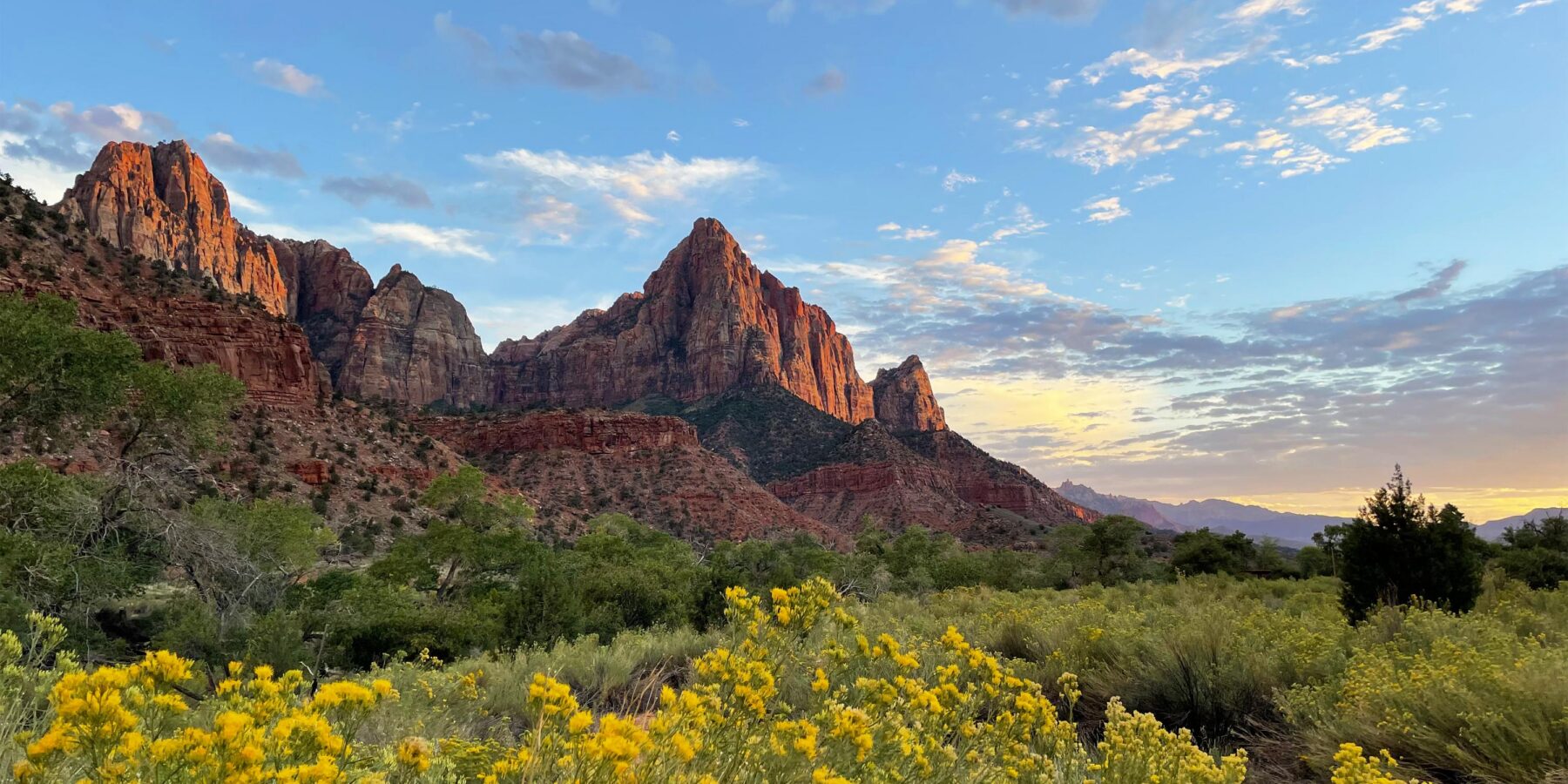
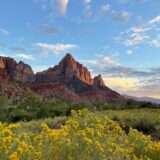
Photo: MarmotChaser via Flickr (CC BY 2.0)
A Zion National Park Summer trip rewards early starts, careful heat management, and a plan built around shuttle access. June through August brings long daylight, mostly open trails, and warm water for hiking the Narrows, but it also brings triple digit canyon temperatures, crowded trailheads, limited parking, and sudden flash flood risk during the summer monsoon.
Most visits center on Zion Canyon, a narrow corridor cut by the North Fork of the Virgin River beneath cliffs rising roughly 2,000 feet. The park also includes the higher Kolob Canyons and Kolob Terrace districts, plus the east side’s pale slickrock and crossbedded sandstone. These areas experience different temperatures and crowd patterns, so a summer plan should extend beyond the main canyon whenever time allows.
Zion National Park in Summer: Conditions at a Glance
Lower Zion Canyon sits near 4,000 feet in elevation, while higher points along the rims exceed 7,000 feet. That vertical range produces sharp temperature differences. A July afternoon near the visitor center may exceed 100°F, while dawn at Lava Point can feel cool enough for a light layer. Shade also changes quickly because the canyon walls block direct sun early and late, then radiate stored heat through the afternoon.
Heat, thunderstorms, and daylight
June is usually the driest summer month, with intense sun and limited cloud cover. July and August bring the North American monsoon, when moisture can generate thunderstorms over the plateaus. Rain may fall miles upstream before floodwater reaches a canyon. Never enter the Narrows, Orderville Canyon, or another confined drainage when flash flooding is possible, even if the sky overhead appears clear.
Summer’s long daylight makes split scheduling effective. Our team recommends using sunrise through late morning for exposed trails, resting during the hottest part of the afternoon, and returning for an evening walk. The Watchman Trail, a 3.3 mile round trip with about 368 feet of climbing, works particularly well near sunset because much of its outward route is exposed.
How summer compares with the other seasons
Summer provides the broadest access to high country and water based routes, but it imposes the greatest heat stress in Zion Canyon. Spring has cooler hiking temperatures but variable river flow, while autumn combines moderating temperatures with shorter days. Winter is quietest, although snow and ice can affect higher roads, shaded trails, and steep routes.
| Season | Typical conditions | Crowd pattern | Access and strongest activities |
|---|---|---|---|
| Spring | Cool mornings, warming afternoons, possible rain and high river flow | Busy around school breaks and weekends | Excellent for dry trails; the Narrows may close when flow is too high |
| Summer | Very hot canyon afternoons, long days, monsoon storms later in the season | Heavy use at shuttles, parking areas, and signature trails | High country generally accessible; strong season for the Narrows when flood risk is low |
| Autumn | Warm September days followed by cooler, shorter days | Busy in early fall, easing later | Good for long hikes, canyon routes, and changing cottonwood color |
| Winter | Cold nights, mild lower canyon days, possible snow and ice | Lowest overall visitation | Quiet scenic walks; traction may be needed on shaded or elevated trails |
How Crowds Affect a Visit to Zion National Park in Summer
Summer congestion changes how visitors move through Zion Canyon. During much of the busy season, the Zion Canyon Scenic Drive is generally served by the park shuttle rather than private vehicles. The shuttle connects the visitor center with stops near Zion Lodge, the Grotto, Weeping Rock, and the Temple of Sinawava. Parking near the visitor center can fill early, pushing later arrivals toward pedestrian entrances and parking in Springdale.
Shuttles, queues, and trail congestion
Morning lines form because many hikers want to reach Angels Landing or the Narrows before the heat intensifies. A queue can add substantial time before the hike begins, while return demand peaks later in the afternoon. Pack enough water and food to remain self sufficient if boarding takes longer than expected. Shuttle operations, parking rules, entrance fees, permit procedures, and trail closures can change, so confirm current details on the official park site.
Crowds concentrate unevenly. Riverside Walk and Lower Emerald Pool receive heavy use because they begin near shuttle stops and require modest climbing. The Pa’rus Trail, a paved 3.5 mile round trip beside the Virgin River, offers more room near the park entrance. East side pullouts and the 1 mile Canyon Overlook Trail also become congested because parking is limited near the Zion Mount Carmel Tunnel.
Timing a day around the busiest hours
A practical summer schedule separates heat exposure from transportation pressure. Carry your day’s essentials from the start rather than planning to retrieve equipment from a parked vehicle. Visitors with two days should devote one early morning to Zion Canyon and use the second for the east side, Kolob Canyons, or Kolob Terrace.
- Arrive before the main morning surge and begin the most exposed hike first.
- Use late morning for shaded river corridors or a meal break.
- Avoid strenuous climbs during the hottest afternoon hours.
- Return in the evening for Pa’rus Trail, Watchman viewpoints, or roadside overlooks.
Choosing Summer Activities by Conditions and Ability
The best activity depends on heat tolerance, water conditions, comfort with heights, and available time. Angels Landing involves steep switchbacks, exposed drop offs, and a permit controlled chain section. The Narrows replaces exposure with prolonged walking on submerged, unstable rocks. Canyon Overlook is shorter, but it still includes uneven sandstone, steps, and exposed edges protected in places by railings.
Zion National Park Summer Hikes for Hot Days
Choose lower effort routes at dawn or near sunset. Pa’rus Trail follows an open section of the Virgin River with views toward the Watchman. Riverside Walk runs about 2.2 miles round trip from the Temple of Sinawava and provides access to the Narrows. Higher elevation options around Kolob Terrace can be significantly cooler, although driving there takes longer and services are limited.
- Short scenic walk: Canyon Overlook, about 1 mile round trip.
- Moderate climb: Watchman Trail, 3.3 miles round trip.
- Mostly level river walk: Pa’rus Trail, about 3.5 miles round trip.
- Water hike: Bottom up Narrows, with distance adjusted to conditions and ability.
The Narrows as a physical experience
Beyond Riverside Walk, pavement gives way to the Virgin River itself. Rounded stones shift underfoot, cool water presses against the shins or knees, and each step requires deliberate balance. The canyon narrows until walls of Navajo Sandstone rise almost vertically overhead, muting wind and reducing direct sun. The water feels refreshing on a hot morning, but progress is much slower than ordinary trail mileage suggests.
When permits shape the plan
The bottom up Narrows day hike generally does not require a wilderness permit, while the full top down route does. Angels Landing uses a lottery based permit system for access beyond Scout Lookout, commonly with seasonal and day before opportunities. Enter lotteries as soon as the relevant window opens, then build a backup plan around Scout Lookout, the West Rim Trail, or another canyon route in case the permit is unsuccessful.
Road Access Beyond Zion Canyon
Summer usually opens the park’s broadest driving network, allowing visitors to connect Zion Canyon with the east entrance, Kolob Terrace, and Kolob Canyons. State Route 9 crosses the park through the Zion Mount Carmel Tunnel and climbs toward Checkerboard Mesa. Its sharp curves, limited roadside parking, and frequent wildlife crossings make travel slower than mileage suggests. Large vehicles may face tunnel restrictions or traffic control.
East Zion and the high plateaus
The east side begins above the tunnel at elevations near 5,500 feet. Crossbedded Navajo Sandstone creates rounded domes, shallow drainages, and pockets where ponderosa pine grows from bare rock. Checkerboard Mesa and roadside viewpoints require less time than a canyon hike, but parking at informal pullouts is limited. Drive cautiously and keep every vehicle fully outside the travel lane.
Kolob Terrace and Kolob Canyons
Kolob Terrace Road climbs from roughly 3,600 feet near Virgin to more than 7,800 feet around Lava Point. Summer access makes this corridor useful for escaping afternoon canyon heat and reaching trailheads for Hop Valley, Northgate Peaks, and the West Rim. Kolob Canyons, reached from Interstate 15, provides a separate approach to finger canyons framed by red cliffs. Neither district connects directly to Zion Canyon by an internal paved road.
Reservations, Permits, and Backup Plans
Secure limited access activities before building the rest of the itinerary. Angels Landing permits identify a date and time period for entering the chain section, while wilderness permits govern routes such as the top down Narrows and overnight travel on designated trails. Seasonal lotteries open well before the trip, and day before drawings may provide another opportunity. Application timing and permit availability should guide flight and lodging choices.
What to reserve first
Visitors staying inside the park or near its pedestrian entrance gain a logistical advantage because they can reach the visitor center without searching for morning parking. Campgrounds and nearby lodging often fill well ahead of summer weekends. Book flexible accommodations first, then add permit controlled hikes. Restaurant reservations matter less than carrying an early breakfast and trail food when the day begins before local kitchens open.
Create a plan that survives a lost lottery
A failed Angels Landing application still leaves access to Scout Lookout and the West Rim Trail below the permitted chain section. A closed Narrows can be replaced with an east side morning, Watchman Trail, or a higher elevation outing on Kolob Terrace. Build each day with one primary objective and one alternative requiring different weather, access, or permit conditions.
- Permit success: Organize transportation and heat management around the assigned entry period.
- Permit failure: Choose a route without restricted access rather than waiting at the same trailhead.
- Storm risk: Avoid narrow drainages and move to open terrain or established scenic roads.
- Extreme heat: Shorten mileage, climb at dawn, and spend midday away from exposed sandstone.
Choosing the Right Season for Your Priorities
A Zion National Park Summer visit suits travelers who value long daylight, warm river conditions, and reliable access to higher elevations. It demands tolerance for heat and structured transportation. Travelers focused on long dry trail days may prefer October, while those seeking lower visitation can consider winter. Spring works well for wildflowers and moderate temperatures, although snowmelt can prevent Narrows hiking.
Choose summer for water and high country
June often favors dry trail travel before monsoon moisture becomes established. July and August can make river hiking appealing, provided upstream weather and water conditions remain safe. These months also improve access to Lava Point and upper West Rim trailheads. Families should prioritize early walks, shaded picnic breaks, and flexible afternoons rather than attempting several exposed trails in sequence.
Choose another season for mileage or solitude
Late autumn offers cooler temperatures for sustained climbs to Observation Point from the east side trail network or along the West Rim. Winter produces the quietest canyon experience, but shaded ice can persist on steep switchbacks and high routes may hold snow. Spring balances daylight and comfortable temperatures, though runoff, wet weather, and variable high elevation access complicate water based and backcountry plans.
Plan Your Zion Summer Days Around Conditions
Summer works best when the itinerary follows temperature, transportation, and terrain. Use dawn for exposed climbs, reserve river corridors or rest for midday, and return outside during the cooler evening. Spread major objectives across separate days so a shuttle delay, thunderstorm, or unsuccessful permit application does not erase the trip’s central experience.
Our approach is simple: choose one demanding activity, one lower effort alternative, and one district beyond Zion Canyon. That structure gives you a practical response to heat, crowds, and changing trail conditions while revealing the park’s full elevation range. With permits handled early and backup routes selected, summer becomes manageable rather than improvised.
Want to keep exploring? Browse all our Zion guides and articles for more trip-planning tips and ideas.
Gear & Essentials
Tell us about your trip and we will add what else you will want:
The basics
Worth having in the car whatever the park.
For this trip
Traveling with kids
Bringing a pet
RVing
Backcountry
On the water
Photography
Accessibility
As an Amazon Associate we earn from qualifying purchases, at no extra cost to you.