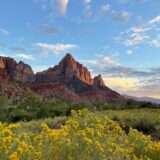
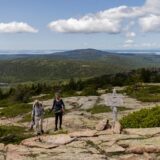
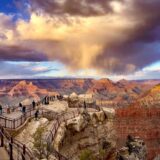
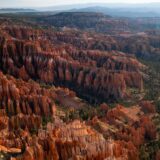
Denali National Park in Fall: What to Expect and What to Do
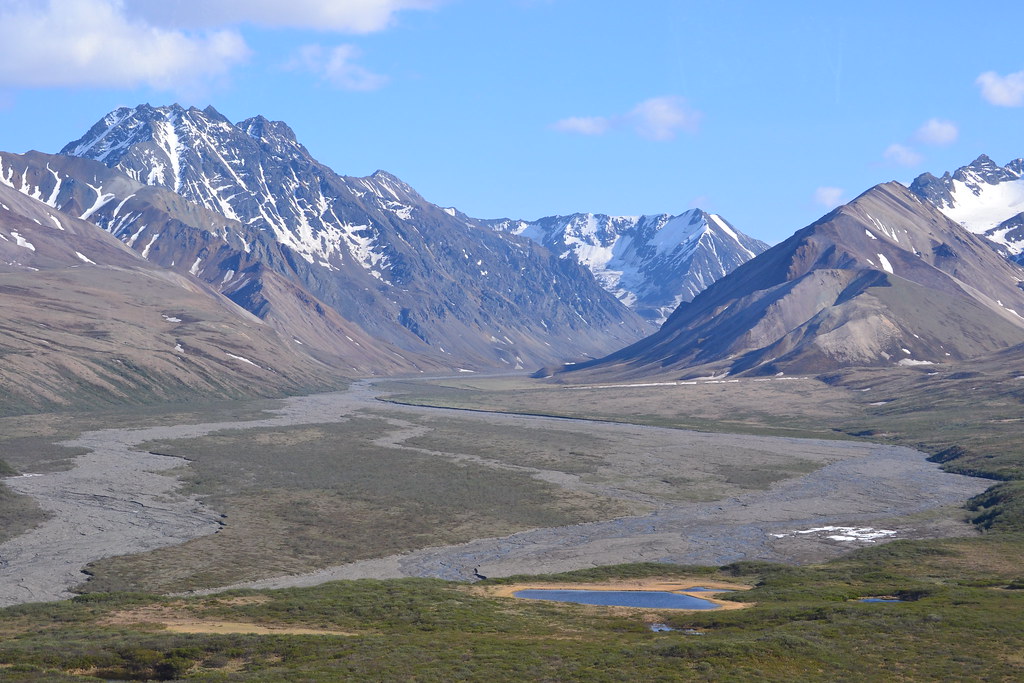
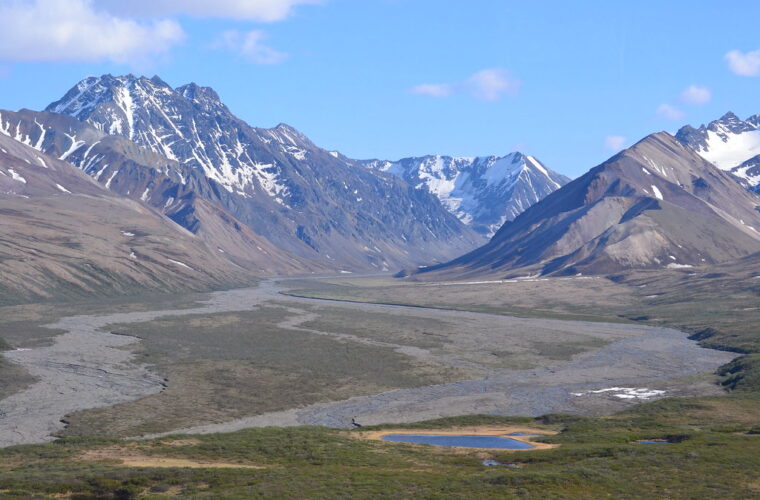
Photo: larrywkoester via Flickr (CC BY 2.0)
Denali National Park Fall conditions can change from berry season to winter weather within a few weeks. Autumn begins early at this latitude, with tundra color often developing in mid August, prime foliage commonly arriving around late August or early September, and accumulating snow possible before the September equinox. The reward is a landscape of scarlet bearberry, yellow dwarf birch, active wildlife, and clearer views of 20,310 foot Denali when autumn air displaces summer haze.
Timing determines almost everything: bus access on the Denali Park Road, available lodging, daylight, trail conditions, and the likelihood of seeing the Alaska Range. Our guide explains how the season progresses, how fall compares with other periods, and which dates fit priorities such as hiking, wildlife viewing, photography, or avoiding crowds.
Why Fall Arrives So Early in Denali National Park
Latitude and elevation accelerate the season
Denali’s park entrance sits near 63 degrees north latitude and roughly 1,700 feet above sea level. From there, the landscape rises through boreal spruce forest, brushy river valleys, alpine tundra, and the heavily glaciated Alaska Range. This combination compresses autumn. Plants respond rapidly to declining daylight, while higher slopes may receive snow as lower valleys retain their fall color.
The mountain itself creates local weather. Moist air rising over the Alaska Range cools and forms clouds or precipitation, so Denali can remain hidden even when the entrance area looks bright. Fall often brings periods of crisp visibility, but no month guarantees a mountain view. Plan activities around the terrain you can see rather than postponing everything for a completely clear summit.
Color develops from the ground upward
Denali’s autumn palette comes largely from low vegetation. Bearberry and blueberry leaves turn red, dwarf birch becomes yellow and orange, and willows brighten stream corridors. White spruce remains dark green, producing strong color contrast along the lower Park Road. Because wind and frost can strip leaves quickly, the most vivid display may last only several days in a particular drainage.
On open tundra, color appears at ankle height rather than overhead. Standing near a broad Park Road overlook, you feel the cold move unobstructed across the valley while gravel shifts underfoot and willow leaves rattle below your knees. Braided rivers occupy only part of their immense gravel beds, and the Alaska Range rises beyond them at a scale that makes several miles of foreground feel compressed.
Denali National Park Fall Timing: What to Expect by Phase
Mid August to late August
Mid August is the transition from summer into biological fall. Daylight remains generous, most seasonal visitor operations are generally active, and trail surfaces are often free of lasting snow at lower elevations. Mosquito pressure usually declines, although biting insects can persist during warm, still periods. Blueberries and soapberries attract bears, making alertness especially important around brush and berry patches.
Best reasons to choose this period
- Broader access: Seasonal bus transportation and nearby visitor services are more likely to be operating than later in September.
- Long hiking days: Extended daylight provides flexibility for Mount Healy Overlook, Horseshoe Lake, and Savage River walks.
- Mixed summer and fall conditions: Green spruce forest may frame red tundra and freshly snowed peaks on the same day.
Late August through early September
This is commonly the strongest window for fall color, though annual timing varies with frost, rainfall, and wind. Daytime temperatures may support comfortable hiking, while mornings frequently require gloves and an insulating layer. Moose begin moving toward the rut, caribou may appear along open ridges and river bars, and bears spend much of their time feeding before denning.
The tradeoff behind peak color
Peak foliage does not mean settled weather. Rain can become wet snow at trail elevations, and overnight frost makes boardwalks, roots, and steep tundra slippery. Bring traction only when conditions justify it, but always pack waterproof footwear, rain protection, warm headwear, and gloves. Cotton clothing performs poorly once damp because evaporative cooling becomes significant in Denali’s wind.
Mid September and later
By mid September, visitor services and transportation begin contracting sharply, temperatures fall, and substantial snow becomes increasingly likely. The landscape can look fully wintry even though the calendar still shows fall. Daylight also decreases rapidly. Travelers gain quieter surroundings and possible aurora viewing, but lose the dependable access and logistical simplicity available earlier in the season.
Late fall works best for self sufficient visitors prepared to change plans. Trails may disappear beneath snow, unmaintained surfaces can freeze, and roadside pullouts may be difficult to use after storms. Wildlife also becomes harder to locate as animals shift habitat, reduce activity, or blend into snow covered terrain.
How Denali National Park in Fall Compares With Other Seasons
Seasonal conditions at a glance
| Period | Crowds | Typical conditions | Road and service access | Strongest activities |
|---|---|---|---|---|
| Spring, April to mid May | Very low | Lingering snow, thawing trails, cold nights | Limited and expanding gradually | Road cycling, snow travel, early wildlife viewing |
| Summer, late May to mid August | Highest | Mild to cool, frequent rain, long daylight | Broadest seasonal transportation and services | Bus trips, hiking, backpacking, wildlife viewing |
| Early fall, mid August to early September | Moderate, then declining | Frost, rain, vivid tundra color, possible snow | Generally useful, but beginning to contract | Photography, hiking, wildlife observation |
| Late fall, mid September through October | Very low | Rapid cooling, shorter days, increasing snow | Substantially reduced | Quiet visits, winter scenery, aurora watching |
| Winter, November through March | Minimal | Severe cold, deep snow, very limited daylight | Winter access only | Skiing, snowshoeing, aurora viewing |
What lower crowds actually change
Declining attendance makes parking and popular entrance area trails feel less congested, particularly after the main summer travel period. It also reduces spontaneous options. Fewer bus departures can make wildlife excursions harder to arrange, while lodging and food choices outside the park begin closing for the season. A quieter visit therefore requires earlier planning rather than less planning.
Fall hikers should also expect longer stretches without meeting another party. That improves solitude but increases the consequences of an injury, navigation error, or bear encounter. Cell coverage is unreliable across much of the park. Carry a paper topographic map, a reliable navigation tool, emergency insulation, and a communication device suited to remote terrain.
Road Access, Reservations, and Trail Logistics
Understanding the Denali Park Road
The Denali Park Road extends approximately 92 miles from the entrance to Kantishna, crossing taiga, tundra, mountain passes, and major river valleys. Private vehicles are normally restricted beyond the Savage River area near Mile 15 during the main visitor season, with buses providing access farther west. The Pretty Rocks landslide near Mile 45 has interrupted through travel since 2021, so bus turnaround points and restoration related access directly affect any fall itinerary.
Transportation, campground operations, entrance requirements, and seasonal closing dates are volatile. Confirm current details on the official park site before reserving lodging or building a trip around a particular road mile. Book bus travel and established campgrounds as soon as reservations open for your dates, especially for late August weekends and the period most likely to produce fall color.
Trails that fit variable autumn weather
Entrance area trails provide useful alternatives when clouds hide the high peaks or road travel is limited. Horseshoe Lake Trail covers about 2 miles and descends through spruce forest to a lake and Nenana River viewpoints. Mount Healy Overlook Trail is roughly 5 miles round trip with about 1,700 feet of climbing, making frost, mud, and early snow consequential. Near Mile 15, Savage River Loop follows the river for approximately 2 miles through an open mountain valley.
The Savage Alpine Trail is a more demanding option, running about 4 miles between the Savage River and Mountain Vista areas while gaining roughly 1,500 feet from its lower approach. Its exposed ridge catches strong wind and may hold snow before valley trails do. Because the route connects two trailheads, hikers must arrange transportation carefully rather than assuming a convenient return ride.
Build a Denali National Park Fall Itinerary Around Weather
A flexible two day plan
On the clearest morning, prioritize the Denali Park Road and any available bus trip beyond Savage River. Mountain visibility often changes within hours, and distant views across the Teklanika River or toward the Alaska Range cannot be recreated from entrance area trails. Keep the second day for Horseshoe Lake, the Savage River Loop, or the trails around Mountain Vista. These lower commitment outings are easier to shorten when rain, wind, or fresh snow arrives.
What to do when Denali disappears
Cloud cover can hide the 20,310 foot summit while leaving the lower park fully accessible. Walk the Taiga Trail and Rock Creek Trail for boreal forest ecology, then visit open river habitat where moose tracks and beaver activity are easier to identify. The sled dog kennels also explain how working dogs support winter patrols in roadless areas. Seasonal programs vary, so treat ranger activities as additions rather than the foundation of your day.
A practical daily order
- Check mountain visibility and precipitation before breakfast.
- Use clear mornings for road travel, overlooks, and exposed tundra.
- Move into spruce forest if wind strengthens during the afternoon.
- Finish before dusk, when temperatures fall and wildlife becomes harder to see beside roads.
Match Your Dates to Your Priorities
A decision table for fall travelers
| Priority | Best general window | Main advantage | Primary compromise |
|---|---|---|---|
| Fall color | Late August to early September | Strong tundra reds and dwarf birch yellows | Peak color may be shortened by frost or wind |
| Maximum transportation options | Mid to late August | More seasonal operations remain available | Higher demand for buses and lodging |
| Quiet trails | After early September | Fewer visitors around the entrance and Savage River | Reduced services and greater weather risk |
| Aurora potential | September | Longer nights create usable darkness | Clouds and moonlight can limit visibility |
| Backpacking | Mid to late August | Better daylight and lower odds of lasting snow | Wet tundra, cold streams, and berry feeding bears |
Plan reservations and permits on separate timelines
Reserve fixed components first: transportation to Alaska, lodging near the park entrance, frontcountry camping, and bus seats. Backcountry travel follows a different process because Denali divides much of its wilderness into quota units rather than relying on a continuous marked trail network. Overnight users select available units, complete a ranger orientation, and carry approved bear resistant food storage. Build at least one flexible day around a wilderness trip because flooded streams or snow covered passes can make a chosen unit unsuitable.
Visitors deciding between August and September should weigh logistical tolerance as heavily as scenery. A mid August trip suits travelers who need structured transportation and predictable meal options. Early September better serves photographers and experienced hikers who can absorb cancellations or route changes. Later September requires winter capable clothing, conservative driving plans, and enough food to manage closures outside the entrance area.
Prepare for Wildlife and Fast Weather Changes
Keep autumn wildlife encounters controlled
Moose become particularly hazardous during the September rut. Give bulls and cows a wide berth, never stand between animals, and retreat behind a vehicle or substantial tree if a moose approaches. Bears may concentrate in blueberry patches, soapberry stands, and brushy drainages. Make noise where sightlines are short, keep bear spray accessible on your body, and avoid bending over berries without repeatedly scanning the surrounding vegetation.
Pack for the coldest part of the day
A functional Denali National Park Fall kit includes a waterproof shell, insulating midlayer, warm hat, gloves, spare socks, headlamp, and waterproof footwear. Add a paper map, compass, emergency bivy, food beyond the planned outing, and a satellite communication device for remote travel. Store water filters inside an insulating layer during freezing conditions because ice can damage internal filter fibers even when the unit appears normal afterward.
Choosing the Best Denali National Park Fall Window
Late August provides the strongest balance of road access, usable daylight, active wildlife, and emerging tundra color. The opening days of September can deliver richer foliage and fewer people, but every additional week increases the chance of snow, frozen trails, shortened operations, and complicated transportation. Travelers with fixed schedules should choose the earlier window. Flexible, winter prepared visitors can accept the greater uncertainty of later dates.
Build the trip around one clear weather opportunity, several entrance area alternatives, and reservations that reflect actual road access. With those decisions made before arrival, Denali’s compressed autumn becomes manageable rather than unpredictable. You will be prepared to use a bright morning on the tundra, adapt when clouds cover the Alaska Range, and leave enough margin for the conditions that define fall at this latitude.
Want to keep exploring? Browse all our Denali guides and articles for more trip-planning tips and ideas.
Gear & Essentials
Tell us about your trip and we will add what else you will want:
The basics
Worth having in the car whatever the park.
For this trip
Traveling with kids
Bringing a pet
RVing
Backcountry
Winter conditions
On the water
Photography
Accessibility
As an Amazon Associate we earn from qualifying purchases, at no extra cost to you.