


Badlands National Park and Wind Cave National Park: How to Visit Both on One Trip
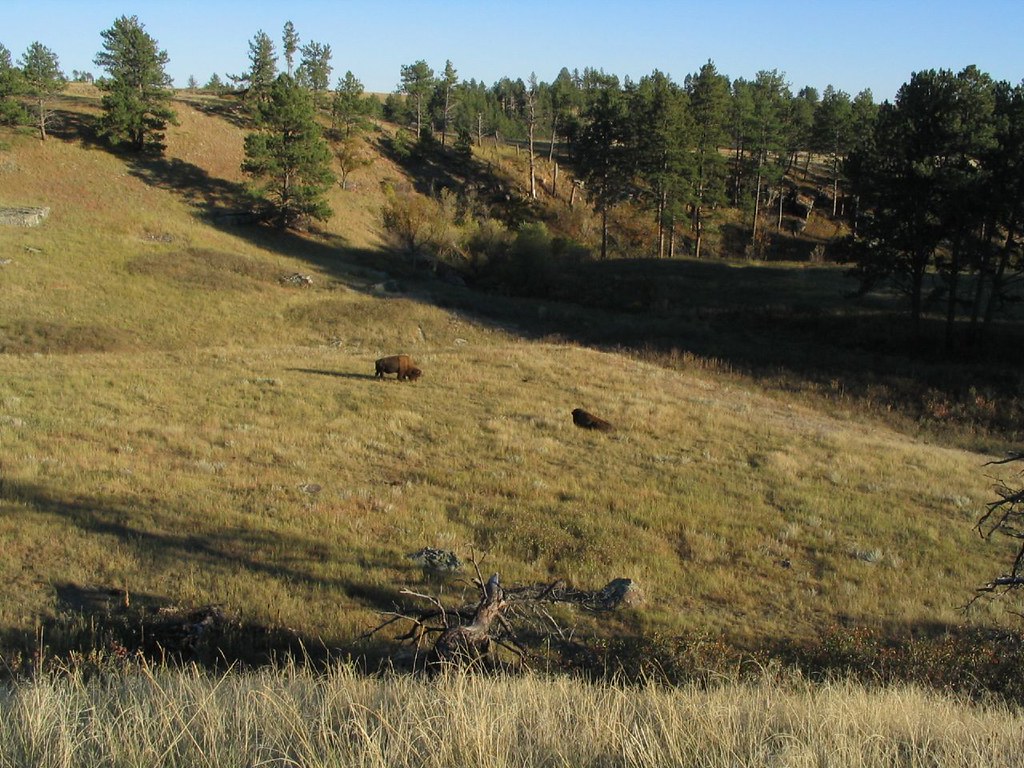
Photo: Ken Lund via Flickr (CC BY-SA 2.0)
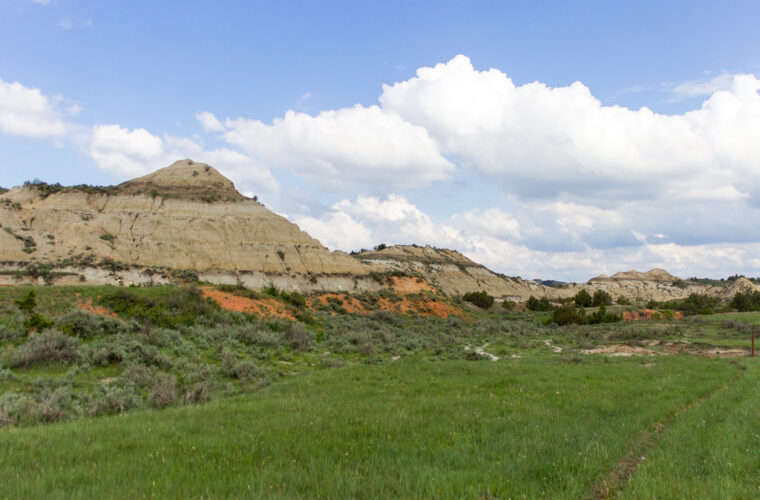
A Badlands National Park Wind Cave National Park trip works well because the two South Dakota parks are roughly two hours apart, yet they reveal entirely different landscapes. Allow at least two full sightseeing days plus travel time. Three days gives you enough room for Badlands overlooks and short hikes, a scheduled cave tour, and part of Wind Cave’s prairie backcountry. Badlands protects sharply eroded sedimentary formations surrounded by mixed-grass prairie, while Wind Cave combines an extensive limestone cave with rolling ponderosa pine country and open bison range. Rapid City is the main air and road gateway. Wall and Interior
Badlands protects sharply eroded sedimentary formations surrounded by mixed-grass prairie, while Wind Cave combines an extensive limestone cave with rolling ponderosa pine country and open bison range. Rapid City is the main air and road gateway. Wall and Interior serve the Badlands side of the trip, while Hot Springs and Custer are practical bases near Wind Cave.
How to Plan a Badlands National Park and Wind Cave National Park Itinerary
Understand the Distance Between Badlands National Park and Wind Cave Before Choosing Lodging
Ben Reifel Visitor Center, near the eastern end of Badlands Loop Road, is approximately 105 to 115 road miles from Wind Cave’s visitor center, depending on the route used. Plan on roughly two hours without sightseeing stops. Driving from the Badlands’ Pinnacles Entrance shortens the transfer because that entrance is closer to Wall and Interstate 90.
Rapid City sits between the parks but does not eliminate the daily commute. It is about an hour from the northeastern Badlands entrances and roughly an hour from Wind Cave’s northern boundary. A single Rapid City base can work for travelers who dislike changing hotels, but it adds repeated driving and makes sunrise in the Badlands or an early cave tour harder to manage.
Compare Badlands National Park and Wind Cave Before Dividing Your Time
| Planning factor | Badlands National Park | Wind Cave National Park |
|---|---|---|
| Primary landscape | Eroded buttes, pinnacles, fossil beds, and mixed-grass prairie | Limestone cave, rolling prairie, canyons, and ponderosa pine woodland |
| Typical first visit | Six to eight hours | Four to seven hours, depending on cave tour timing |
| Key elevation range | Approximately 2,400 to 3,300 feet | Generally about 3,500 to 5,000 feet at the surface |
| Signature activity | Badlands Loop Road overlooks and short hikes | Ranger-led cave tour plus wildlife viewing above ground |
| Main timing constraint | Heat, exposed trails, and sunrise or sunset light | Reserved or ticketed cave-tour departure time |
Why the landscapes belong in the same trip
The Badlands formations expose layers of the White River Group, including the Chadron and Brule formations deposited during the late Eocene and Oligocene epochs. Volcanic ash, river sediment, clay, and silt hardened into rock that now erodes into narrow ridges and gullies. The deposits preserve important fossils of ancient mammals, including oreodonts, nimravids, and early horses.
Wind Cave developed mainly within the Mississippian-age Madison Limestone, called the Pahasapa Limestone in the Black Hills. Water enlarged fractures and passages before regional uplift altered drainage patterns. The cave is especially known for boxwork, thin calcite fins that project from walls and ceilings after the surrounding bedrock weathered away.
Choose the Best Route Between Badlands National Park and Wind Cave National Park
Travel east to west when arriving through Rapid City
If Rapid City is your arrival point, one efficient plan is to drive east on Interstate 90, enter the Badlands near the northeastern side, follow Badlands Loop Road west, and finish near Wall. This direction places many overlooks on the passenger side and avoids retracing the entire scenic road. Stay near Wall afterward, then drive south toward Wind Cave the following morning.
Badlands Loop Road, designated South Dakota Highway 240, forms the main paved sightseeing corridor. The drive itself is about 39 miles between the Interstate 90 approaches, but overlooks, wildlife congestion, and short walks can turn it into a five-hour outing. Big Badlands Overlook, Panorama Point, Yellow Mounds Overlook, and Pinnacles Overlook deserve separate stops because each reveals different sediment colors and erosion patterns.
Do not use Sage Creek Rim Road as a shortcut
Sage Creek Rim Road is an unpaved route through the park’s western prairie. It is useful for reaching Roberts Prairie Dog Town, Sage Creek Basin Overlook, and trailheads for less-developed backcountry walks. It does not provide a faster or simpler transfer to Wind Cave. Rain can make its clay-rich surface slippery, and washboarding frequently slows ordinary passenger vehicles.
Reverse the order when approaching from the south
Travelers arriving from Nebraska, Hot Springs, or the southern Black Hills should visit Wind Cave first. Continue north afterward toward Rapid City or Interstate 90, then enter the Badlands from the west. This sequence keeps the cave tour near the beginning of the day and leaves the Badlands’ western overlooks available for late-afternoon light.
A cave tour should anchor the Wind Cave day because access to the developed cave is controlled and departure times are fixed. Tour formats, ticket procedures, fees, road work, and seasonal operating hours can change, so confirm current details on the official park site before finalizing lodging or drive times. Build at least 45 minutes between your expected arrival and the tour rather than planning around a last-minute entrance.
Build a Realistic Two- or Three-Day Badlands National Park and Wind Cave Itinerary
Minimum plan: one principal day in each park
A two-day plan requires arriving near the first park the previous evening. Spend Day 1 on Badlands Loop Road, combining overlooks with one or two short trails. Drive toward the southern Black Hills late that afternoon or after dinner. On Day 2, take a Wind Cave tour and explore the surface roads, prairie overlooks, and a short trail before departing.
- Enter the Badlands early enough to walk before midday heat develops.
- Combine the Door Trail with either the Window Trail or Notch Trail.
- Complete Badlands Loop Road and exit near Wall.
- Relocate to Hot Springs, Custer, or another southern Black Hills base.
- Take a scheduled Wind Cave tour the next morning.
- Allow time afterward for Rankin Ridge or a prairie drive.
Best short Badlands trail combination
The Door Trail is about 0.75 mile round trip, beginning with an accessible boardwalk before continuing across uneven badlands marked by numbered posts. The nearby Window Trail is roughly 0.25 mile round trip. Strong hikers can substitute the 1.5-mile Notch Trail, which climbs a log ladder and follows an exposed ledge before reaching a view over the White River Valley.
At the end of the Notch Trail, gravel shifts under your boots while the pale formations drop into branching gullies below. The ledge receives direct sun, and wind moves freely across the exposed slope. After the final rise, the view opens abruptly across the White River Valley, revealing the scale of the eroded terrain that remains hidden from the trailhead.
Preferred plan: add a third day
Use the extra day to separate the Badlands drive from its longer hikes. One day can cover sunrise, the Door or Notch trails, fossil exhibits, and the eastern overlooks. The following morning can focus on Yellow Mounds, Pinnacles Overlook, prairie wildlife, and Sage Creek Rim Road before transferring south. This schedule reduces heat exposure and creates more time for bison or bighorn sheep sightings.
At Wind Cave, the additional time makes room for both underground and surface landscapes. Rankin Ridge Trail is a roughly one-mile loop climbing to the park’s highest point at 5,013 feet. For a longer walk, the 3.5-mile Lookout Point Trail crosses prairie dog habitat and descends toward Beaver Creek, where cottonwoods and shrubs create a cooler ecological corridor.
Prepare for two different environments
Pack for exposed badlands and a cool cave
Summer temperatures on exposed Badlands trails commonly rise well above conditions recorded at shaded lodging or visitor facilities. Carry at least two liters of water per person for several hours of hiking, along with sun protection and shoes that grip loose clay. Thunderstorms can produce lightning, hail, and rapid runoff in gullies, so avoid narrow drainage channels when storms are building.
Wind Cave remains near 54°F underground throughout the year, even when the prairie above is hot. Bring a light insulating layer and closed-toe shoes with dependable traction. Cave routes include stairs, low ceilings, and confined passages. Backpacks, food, and bulky equipment may be restricted, so leave unnecessary items secured in the vehicle.
Use a combined trip checklist
- Refillable water containers totaling at least two liters per hiker
- Broad-brimmed hat, sunglasses, and high-SPF sunscreen
- Closed-toe walking shoes suitable for clay, gravel, and cave stairs
- Light fleece or jacket reserved for the cave tour
- Offline road maps, since mobile coverage is inconsistent
- Binoculars for bison, bighorn sheep, pronghorn, elk, and prairie dogs
- Tire-pressure gauge and a full fuel tank before remote surface drives
Keep wildlife planning separate from hiking mileage. Bison occur in both parks and can stand beside roads or occupy trails, particularly in Wind Cave’s prairie. Remain at least 25 yards from bison and other large animals, and give predators substantially more space. If an animal changes direction, raises its tail, paws the ground, or watches you continuously, increase the distance immediately.
Match the trip to South Dakota’s seasons
Late spring and early fall provide the best balance
Late May through June usually brings green prairie, blooming wildflowers, and moderate hiking temperatures, although thunderstorms and muddy unpaved roads remain possible. September offers cooler afternoons, fewer biting insects, and reliable conditions for combining overlooks with longer walks. A Badlands National Park Wind Cave trip during either period still requires flexible clothing because the Black Hills can be noticeably cooler than the open plains around the Badlands.
July and August provide long daylight hours but require an early start for exposed hikes. Winter changes the trip substantially. Snow, ice, strong crosswinds, and limited daylight can slow the transfer between parks, while trails may hold packed snow on shaded slopes. Main paved roads generally receive priority after storms, but scenic side roads and gravel routes can remain difficult longer.
Use seasonal conditions to set daily priorities
| Season | Primary advantage | Main planning concern | Best strategy |
|---|---|---|---|
| March to May | Cool hiking and active prairie wildlife | Late snow, mud, and rapid weather changes | Keep gravel roads optional |
| June to August | Long daylight for scenic drives | Heat, lightning, and heavy visitation | Hike early and drive during midday |
| September to October | Cooler trails and clearer autumn air | Shortening daylight and cold nights | Schedule the longest drive before dusk |
| November to February | Quiet overlooks and visible landforms | Snow, ice, wind, and reduced services | Stay on major paved routes |
Avoid the mistakes that consume sightseeing time
Do not schedule the transfer as empty time
The route between the parks crosses useful resupply towns, but food and fuel become less convenient once you enter remote park roads. Fill the tank before leaving Wall, Interior, Hot Springs, or Custer, and carry lunch rather than depending on a meal stop near a trailhead. Both parks operate on Mountain Time, so there is no time-zone adjustment when calculating a cave arrival or sunset stop.
Navigation applications may favor a smaller road because it appears marginally shorter. Compare the suggested route with a downloaded map before departure, especially after heavy rain or snow. Gravel prairie roads can be perfectly manageable when dry and frustrating when wet. Keep the paved highways as the default when carrying a fixed cave-tour commitment or traveling in a low-clearance rental car.
Protect the schedule from predictable delays
- Add 20 to 30 minutes for bison, road construction, and slow overlook traffic.
- Download directions before leaving a town with dependable mobile service.
- Place jackets, water, and cave clothing where they can be reached without unloading the vehicle.
- Avoid planning a long Badlands hike immediately before the interpark drive.
- Set a firm departure time rather than waiting for one final wildlife sighting.
Bison frequently create delays by walking along pavement, and passing them closely can provoke an unpredictable response. Stop well back, remain inside the vehicle, and wait for the herd to clear. Horns can damage a car, and calves may be hidden on the opposite side of an adult. Never use the shoulder to squeeze between an animal and the road edge.
Build backup plans before conditions change
If an underground tour is unavailable
Wind Cave’s surface remains worth several hours even without underground access. Drive South Dakota Highway 87 through the northern prairie and ponderosa pine transition, watching for bison, pronghorn, elk, and black-tailed prairie dogs. The Elk Mountain area provides a quieter woodland setting, while the Centennial Trail crosses the park on a longer north-to-south route that can be sampled as an out-and-back walk.
Choose surface walks by exposure
Open prairie trails offer broad visibility but little shelter from sun, wind, or lightning. Forested routes around Elk Mountain provide partial shade and a better option on warm, calm afternoons. After rain, avoid trampling around muddy sections because widening a trail damages prairie plants and accelerates erosion. Turn around when thunder becomes audible rather than trying to reach a distant ridge or junction.
If weather obscures the Badlands overlooks
Fog and low cloud can erase long views while leaving close-range geology visible. Use those periods for the quarter-mile Fossil Exhibit Trail, where interpretive displays explain extinct mammals found in the White River deposits. Short roadside stops at Yellow Mounds also reveal ancient, strongly weathered soils at close range. If lightning develops, return to a hard-topped vehicle and postpone exposed ridges and boardwalks.
Gear & Essentials
Tell us about your trip and we will add what else you will want:
The basics
Worth having in the car whatever the park.
For this trip
Traveling with kids
Bringing a pet
RVing
Backcountry
Winter conditions
On the water
Photography
Accessibility
As an Amazon Associate we earn from qualifying purchases, at no extra cost to you.
Complete Your Badlands National Park and Wind Cave Trip With a Disciplined Plan
The most efficient itinerary assigns one principal day to each park, moves lodging between regions, and treats the cave departure as the trip’s fixed appointment. Add a third day when hiking, photography, or Sage Creek wildlife viewing matters. Early starts protect Badlands trail time from heat, while a generous transfer window prevents road delays from undermining the Wind Cave portion.
Pack for exposed prairie, loose sediment, cool underground passages, and rapidly changing High Plains weather. Fuel before remote drives, keep gravel roads optional, and preserve a surface itinerary in case cave access or storms alter the schedule. With those decisions made in advance, the two parks form a practical route through fossil-rich badlands, living prairie, Black Hills woodland, and one of the world’s distinctive cave systems.
Want to keep exploring? Browse all our Wind Cave guides and articles for more trip-planning tips and ideas.