






7 Best Spring Hikes in Shenandoah National Park
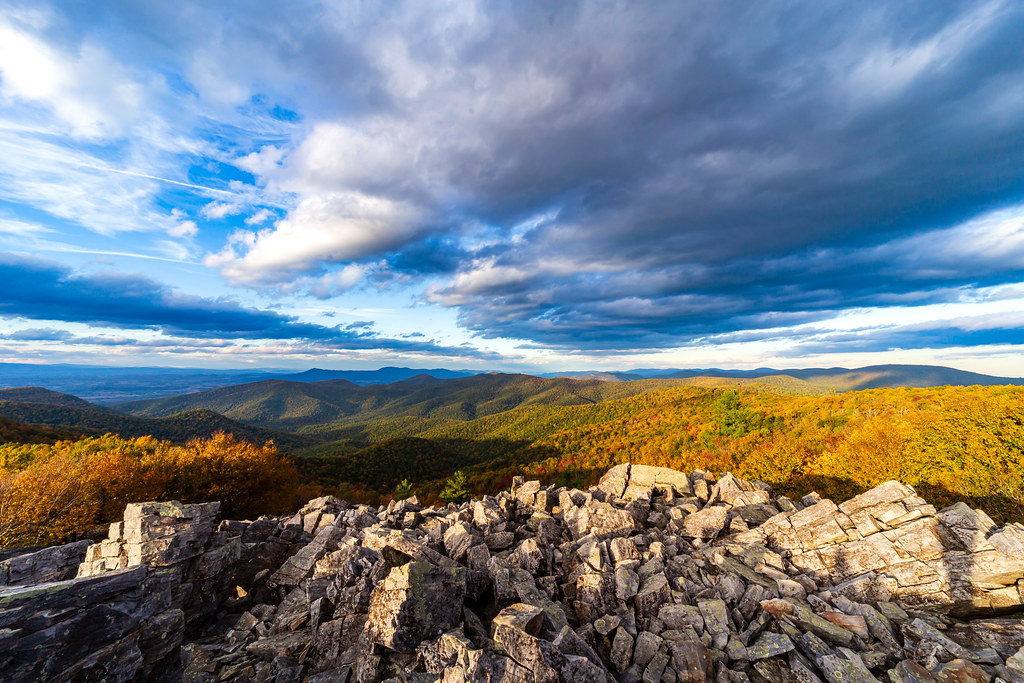
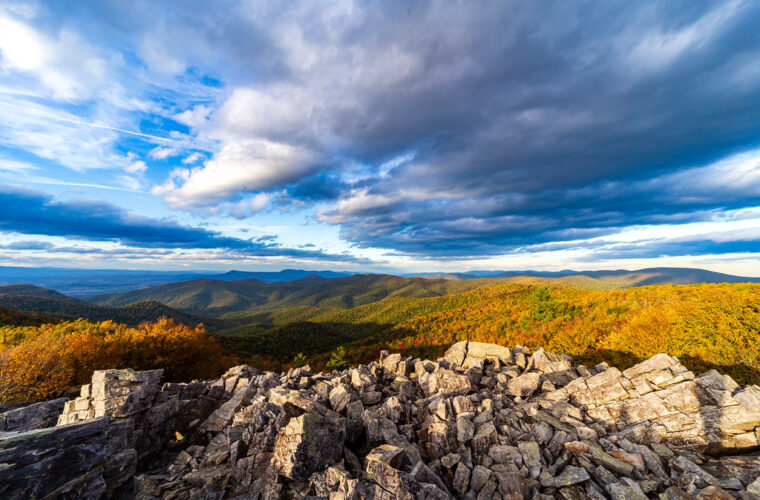
Photo: aparlette via Flickr (CC BY 2.0)
The Best Spring Hikes Shenandoah visitors can choose combine waterfalls at peak flow, expanding Blue Ridge views, and wildflowers that move steadily uphill as temperatures rise. For most hikers, the strongest window runs from mid April through late May. Lower elevations green up first, while summits above 3,500 feet can remain bare, windy, and several weeks behind valleys such as Thornton Gap and Swift Run Gap.
Our seven selections cover the park’s three districts and range from the 1.3 mile Limberlost circuit to the strenuous 7.8 mile Doyles River and Jones Run loop. Spring conditions vary sharply with elevation, recent rain, and exposure. A warm trailhead can lead to a summit 15 degrees cooler, while wet rocks around waterfalls make an otherwise moderate route considerably harder.
Best Spring Hikes Shenandoah: What the Season Changes
Shenandoah National Park follows roughly 105 miles of the Blue Ridge crest, with Skyline Drive linking Front Royal in the north to Rockfish Gap in the south. Elevations range from about 550 feet near the park boundary to 4,050 feet on Hawksbill, Virginia’s highest point within the park. That vertical range stretches spring across several weeks. Bloodroot and trout lily can bloom low on a slope while nearby ridge forests still show bare gray branches.
Waterfalls Carry Their Strongest Seasonal Flow
Snowmelt contributes less here than in higher mountain ranges, so Shenandoah’s spring waterfalls depend heavily on rainfall and saturated soils. Dark Hollow Falls, Rose River Falls, Lewis Spring Falls, and the cascades of Jones Run usually carry more water in April and May than during summer. Heavy rain also raises stream crossings, creates mud, and coats exposed greenstone with a slick film. Shoes with reliable tread matter more than waterproof footwear alone.
Leaf Growth Changes the Views Week by Week
March and early April provide long views through open hardwood forest, especially from Marys Rock, Hawksbill, and Compton Peak. By late May, oak, hickory, maple, and tulip poplar leaves begin enclosing lower trails. Summit overlooks remain open, but approach routes feel greener and more shaded. Wildflower timing follows the same progression. Look for hepatica and spring beauty early, then trillium, wild geranium, and mountain laurel later in the season.
Spring Wildflower Timing
Bloom dates can shift by several weeks after an unusually warm or cold winter. Elevation and slope direction are often better guides than the calendar. South-facing slopes warm first, while shaded hollows retain cool air and moisture. Visitors especially interested in botany can also consult our coverage of Shenandoah National Park’s Wildflower Weekend for seasonal context and guided-program information.
How Early, Middle, and Late Spring Compare
There is no single spring experience across Shenandoah. March can resemble winter along Skyline Drive, April brings variable temperatures and strong waterfall flow, and May delivers fuller foliage with larger weekend crowds. The table below compares the practical effects on hiking rather than relying on calendar labels alone.
| Period | Typical trail character | Crowd pattern | Access considerations | Best priorities |
|---|---|---|---|---|
| March to early April | Bare forest, cold ridges, occasional ice, long views | Light outside warm weekends | Weather can temporarily close sections of Skyline Drive | Solitude, geology, unobstructed vistas |
| Mid to late April | Wet streams, emerging flowers, muddy hollows | Moderate, busiest near major waterfalls | Trails generally open, but seasonal services may remain limited | Waterfalls, early wildflowers, cool hiking |
| May | Leaf growth, warmer valleys, blooming mountain laurel | Heavy on fair weather weekends | Broadest access, with parking pressure at small trailheads | Wildflowers, shaded walks, longer circuits |
| Summer and autumn comparison | Summer is humid and leafy, autumn is cooler with changing foliage | Busy around holidays and peak fall color | Storms or congestion can affect travel time | Summer shade or autumn color rather than peak waterfall flow |
Rain, Fog, and Ridge Temperatures
Spring weather changes quickly along the crest. Fog can reduce visibility to a few car lengths on Skyline Drive, and exposed overlooks often feel much colder than sheltered parking areas. Afternoon thunderstorms become more common as May advances. Our team recommends packing a rain shell, a warm layer, and dry socks even when the valley forecast looks mild. Turn around before exposed summits if thunder is audible.
What Crowds Change on the Trail
Crowding affects parking before it affects trail capacity. Dark Hollow Falls, Stony Man, and Hawksbill have relatively small parking areas beside Skyline Drive, and roadside parking is restricted in many places. Arriving early reduces both parking delays and congestion on steep waterfall steps. Rose River and Doyles River spread hikers over longer circuits, although narrow viewpoints and stream crossings can still create bottlenecks after rain.
7 Best Spring Hikes in Shenandoah National Park at a Glance
We selected routes that benefit directly from spring conditions, rather than assembling seven famous trails regardless of season. The list balances waterfall volume, open ridge views, wildflower habitat, geology, and geographic distribution. Distances are approximate because short viewpoint spurs and parking location can alter a recorded route.
| Hike | Distance | Difficulty | Primary spring feature |
|---|---|---|---|
| Stony Man Circuit | 1.6 miles | Easy to moderate | Open Blue Ridge views before leaf growth |
| Dark Hollow Falls | 1.4 miles round trip | Moderate | 70 foot waterfall with strong spring flow |
| Hawksbill Summit via Lower Hawksbill | 1.7 miles round trip | Moderate | Park high point at 4,050 feet |
| Compton Peak | About 2.4 miles round trip | Moderate | Columnar basalt geology and ridge views |
| Limberlost Trail | 1.3 mile circuit | Easy | Moist forest, wildflowers, and gentle grades |
| Rose River Falls Loop | About 4 miles | Moderate | Cascades, streams, and spring woodland flowers |
| Doyles River and Jones Run Loop | About 7.8 miles | Strenuous | Multiple waterfalls and sustained backcountry terrain |
How We Chose the Best Spring Hikes Shenandoah Visitors Can Enjoy
Each route offers a clear seasonal advantage and can be completed as a day hike from Skyline Drive. We excluded Old Rag because its exposed rock scrambling serves a different planning need and may involve day-use ticket requirements. We also favored routes that let hikers match distance and climbing to their ability, from Limberlost’s broad, gentle path to the roughly 1,800 feet of total ascent on the Doyles River and Jones Run circuit.
Choosing the Best Spring Hikes in Shenandoah by Your Main Priority
- Best short waterfall hike: Dark Hollow Falls, provided you are comfortable with a steep return climb.
- Best summit for limited time: Stony Man, with a short approach and broad westward views.
- Best high-elevation objective: Hawksbill, where spring arrives later than in surrounding valleys.
- Best geology stop: Compton Peak, known for exposed columnar jointing in ancient basalt.
- Best gentle forest walk: Limberlost, especially during the May wildflower period.
- Best half-day waterfall circuit: Rose River Falls Loop.
- Best strenuous waterfall day: Doyles River and Jones Run Loop.
Access, Parking, and Spring Trip Planning
Skyline Drive is the organizing spine for all seven hikes, but its 35 mph speed limit and frequent overlooks make travel slower than mileage suggests. Driving the park’s full length commonly takes about three hours without long stops. Choose hikes within one district rather than crossing the entire park in a day. Thornton Gap serves the Central and northern portions, while Swift Run Gap is convenient for central and southern trailheads.
Road Closures, Fees, and Reservations
Cold rain, fog, fallen trees, or late ice can temporarily affect Skyline Drive even after warm weather reaches the Shenandoah Valley. Entrance fees apply, while ordinary day hiking on these seven routes generally does not require a trail reservation. Lodging and developed campgrounds can fill well ahead of May weekends. Confirm current road status, fees, reservation rules, and seasonal facility openings on the official park site before departure.
What to Carry for a Spring Day Hike
Carry more water than cool temperatures seem to require, since sustained climbs such as the return from Dark Hollow Falls generate substantial heat. A paper map remains useful where intersecting horse trails and the Appalachian Trail create multiple junctions. Tick activity increases as temperatures rise, and black bears become more active during spring, so keep food secured and maintain distance from wildlife.
At Stony Man’s rocky overlook, the final approach changes abruptly from enclosed forest to open ledge. Angular greenstone sits underfoot, cool wind crosses the exposed rock, and the Page Valley spreads below in long folds. In early spring, bare branches reveal more of the slope during the climb, while the summit can feel sharply colder than the trailhead only minutes away.
Route Details That Affect Difficulty
Trail mileage tells only part of the story in Shenandoah. Dark Hollow Falls descends about 440 feet before requiring the same climb back, while Lower Hawksbill gains roughly 690 feet in less than a mile. Rose River and the Doyles River and Jones Run circuit place much of their climbing late in the hike. Spring mud, wet leaves, and crowded waterfall viewpoints can slow a group enough to add an hour beyond its usual pace.
Waterfall Routes Require Careful Footwork
Dark Hollow Falls begins near mile 50.7 and follows Hogcamp Branch to a 70-foot series of cascades. Rose River starts near Fishers Gap at mile 49.4, where a clockwise circuit generally places the steeper descent earlier. Farther south, the Doyles River and Jones Run loop links several falls through a deep hollow. Trekking poles help on the long return climb, especially when rain has loosened soil around roots and stone steps.
Summit and Forest Hikes Solve Different Problems
Compton Peak, near mile 10.4, combines an Appalachian Trail ridge walk with a short side trail to columnar basalt. Stony Man and Hawksbill deliver broader views but have exposed rock near their overlooks. Limberlost, near mile 43, stays in a moist high-elevation forest on a comparatively gentle circuit. Its crushed greenstone surface and broad tread suit hikers who prefer limited climbing, although storms can still leave wet patches and fallen branches.
Choosing the Right Spring Window
The Best Spring Hikes Shenandoah itinerary depends on what you want to see and how much weather uncertainty you can accept. Early April favors open views and quieter trails. Late April usually offers the best balance of waterfall flow and emerging vegetation. May supports longer days and fuller wildflower displays, but parking competition rises sharply on Saturdays, holiday weekends, and warm mornings after several days of rain.
| Priority | Strongest window | Best route choices | Main tradeoff |
|---|---|---|---|
| Long-distance views | Late March to mid April | Stony Man, Compton Peak | Cold wind and possible ridge ice |
| High waterfall volume | April into early May | Dark Hollow, Rose River, Doyles River and Jones Run | Mud and slippery streamside rock |
| Wildflowers | Late April through May | Limberlost, Rose River | Later dates bring denser foliage and more visitors |
| High-elevation hiking | May | Hawksbill, Stony Man | Summits remain cooler than valley forecasts suggest |
Early Spring Rewards Flexible Plans
In March and early April, build a lower-elevation alternative into the day. If fog or ice makes Hawksbill unpleasant, Compton Peak or a sheltered waterfall route may provide better conditions, provided Skyline Drive access remains open. Bare trees make navigation landmarks easier to see, but leaf-covered tread can conceal ice in shaded drainage channels. Start later than you would in May so overnight frost has time to soften.
Late Spring Calls for an Earlier Start
By mid May, sunrise comes early enough to begin hiking before the busiest arrivals. Starting by early morning is especially useful at Stony Man, Dark Hollow Falls, and Lower Hawksbill. Afternoon heat settles into waterfall hollows, while thunderstorms can build over the ridge. Complete exposed summits first, then use Limberlost or another forested route as a cooler afternoon option if weather remains stable.
Build a Practical One or Two Day Itinerary
Grouping trailheads by district prevents Skyline Drive from consuming the day. A northern itinerary can pair Compton Peak with viewpoints near Thornton Gap. In the Central District, Stony Man, Hawksbill, Limberlost, Dark Hollow Falls, and Rose River sit close enough for flexible combinations, although completing all of them together would sacrifice time at overlooks. The southern waterfall circuit deserves its own day because its distance, elevation gain, and streamside terrain demand a slower pace.
Match Routes to Available Time
- Two to three hours: Choose Stony Man, Compton Peak, Limberlost, or Hawksbill.
- Half day: Hike Rose River, then stop at nearby overlooks rather than adding another steep trail.
- Full day: Complete the Doyles River and Jones Run loop with food, water, and time for wet crossings.
- Two days: Use one day for Central District summits and one for a waterfall circuit.
Short hikes can be combined according to effort rather than mileage. Stony Man followed by Limberlost balances an exposed overlook with a gentle forest circuit. Pairing Hawksbill with Dark Hollow Falls places two steep climbs in one day and may be harder than the combined distance suggests. Families and mixed-ability groups often do better choosing one primary objective, then adding overlooks that require little walking.
Keep a Weather-Based Backup Sequence
Rank your choices before entering the park: exposed summit, waterfall route, then sheltered forest walk. Clear mornings favor Hawksbill or Stony Man. Light rain can improve waterfall scenery, but heavy rain raises streams and increases rockfall and slip hazards in narrow hollows. Dense fog removes the main reward from summit trails, while Limberlost remains worthwhile because its spring interest lies in forest structure, groundcover, and flowers rather than distant views.
Plan the Best Spring Hikes in Shenandoah With Confidence
For waterfalls, target April or early May and expect mud, steep return climbs, and slick greenstone. For broad views, visit before canopy growth closes the forest sightlines. Wildflower-focused hikers should follow spring uphill, beginning on warmer lower slopes and moving toward Limberlost, Stony Man, and Hawksbill as May progresses. Choosing a route by elevation and recent weather produces better results than relying on a fixed bloom calendar.
Start with one priority, group hikes within the same district, and keep a sheltered alternative ready. Dark Hollow Falls and Stony Man work well for short visits, Rose River fills a half day, and the Doyles River and Jones Run loop anchors a full hiking day. That framework leaves enough flexibility for fog, wet trails, limited parking, and the rapid temperature changes that define spring along the Blue Ridge crest.
Want to keep exploring? Browse all our Shenandoah guides and articles for more trip-planning tips and ideas.
Gear & Essentials
Tell us about your trip and we will add what else you will want:
The basics
Worth having in the car whatever the park.
For this trip
Traveling with kids
Bringing a pet
RVing
Backcountry
Winter conditions
On the water
Photography
Accessibility
As an Amazon Associate we earn from qualifying purchases, at no extra cost to you.