

Shenandoah National Park in Summer: What to Expect and What to Do
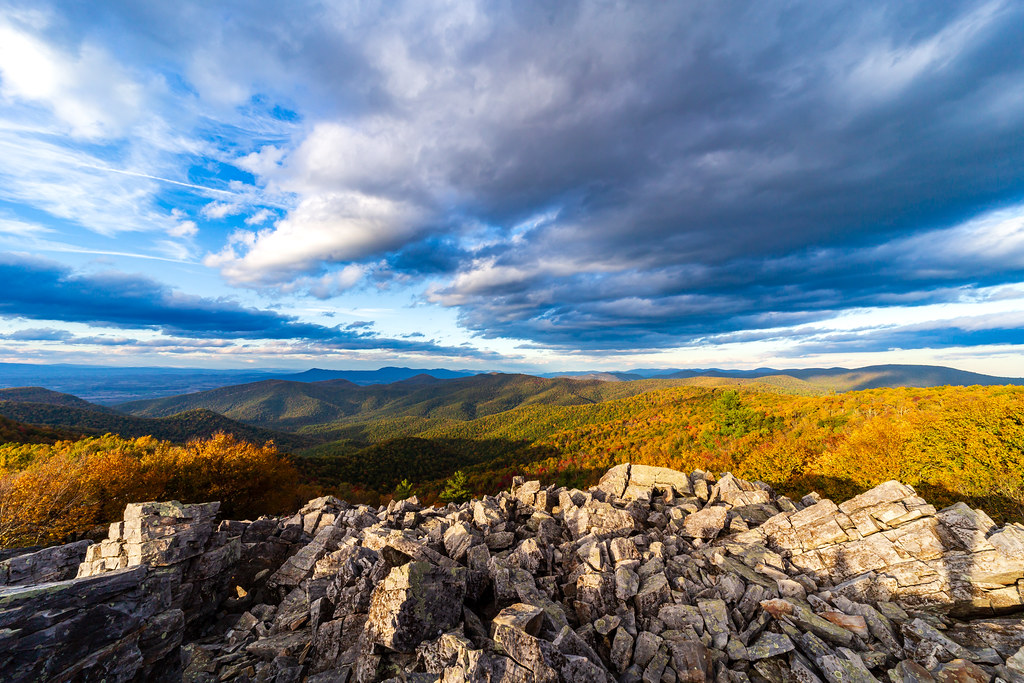
Photo: aparlette via Flickr (CC BY 2.0)
Shenandoah National Park summer visits work best for travelers who want long hiking days, fully leafed forests, active wildlife, and reliable access along Skyline Drive. Expect warm, humid valleys, cooler conditions on the ridges, afternoon thunderstorms, and busy trailheads on weekends. Waterfalls usually carry less water than in spring, but shaded swimming holes, expansive overlooks, and roughly 500 miles of trails provide ample alternatives.
The park follows Virginia’s Blue Ridge Mountains for about 105 miles between Front Royal and Rockfish Gap. Skyline Drive forms its central corridor, connecting four entrance areas and dozens of overlooks, picnic grounds, trailheads, campgrounds, and lodging areas. Elevations range from roughly 550 feet near the park boundary to 4,051 feet on Hawksbill Mountain, so weather and vegetation can change considerably during one day.
Shenandoah National Park in Summer: Conditions at a Glance
June often provides the most comfortable balance of long daylight, green forests, and moderate ridge temperatures. July and August bring greater humidity, frequent afternoon storms, and thicker vegetation along lower trails. Average conditions vary sharply with elevation. A hot day near Charlottesville or Washington can feel noticeably cooler at Big Meadows, which sits at approximately 3,500 feet.
How summer compares with the rest of the year
Summer provides the park’s broadest practical access, but it is not automatically the best season for every priority. Spring carries stronger waterfalls and wildflowers, autumn delivers the clearest foliage spectacle and heaviest traffic, and winter offers quiet trails with a meaningful risk of road closures. Our team uses the following comparison when helping readers choose.
| Season | Typical conditions | Crowd pattern | Road and trail access | Best suited to |
|---|---|---|---|---|
| Spring | Cool, wet, muddy, with strong stream flow | Moderate, increasing on warm weekends | Generally broad access, though storms and maintenance can affect trails | Waterfalls, wildflowers, cooler hikes |
| Summer | Warm, humid, leafy, with afternoon thunderstorms | Busy at major overlooks and waterfall trailheads | Usually the most dependable overall access | Long hiking days, camping, family trips, wildlife |
| Autumn | Cooler, often drier, with changing foliage | Highest around peak color weekends | Good access, but traffic can slow Skyline Drive substantially | Foliage, overlooks, ridge walks |
| Winter | Cold, windy, with ice and occasional snow | Low | Sections of Skyline Drive may close during hazardous conditions | Solitude, bare tree views, experienced cold weather hiking |
What to Expect in Shenandoah National Park in Summer
June usually has greener waterfalls and somewhat milder hiking conditions, although biting insects increase as temperatures rise. July has the longest stretch of consistently hot, humid weather and frequent thunderstorms. August remains warm, but daylight begins shortening and late summer haze can soften distant views. Holiday weekends and clear Saturdays create the greatest pressure at popular trailheads.
Shenandoah National Park Summer Weather, Visibility, and Trail Conditions
Mountain weather controls the rhythm of a Shenandoah summer day. Morning can begin with fog filling the hollows, followed by bright sun and rapidly building clouds after lunch. Thunderstorms can develop quickly along the ridge, bringing lightning, heavy rain, falling branches, and short periods of sharply reduced visibility on Skyline Drive.
Temperature changes with elevation
Plan for cooler ridge conditions rather than relying on a forecast for a nearby low elevation town. Big Meadows, Skyland, Hawksbill, and Stony Man commonly feel several degrees cooler, especially in cloud, wind, or rain. At the same time, steep trails descending into Whiteoak Canyon or the lower reaches of Overall Run can become hotter and more humid during the return climb.
What to carry for a summer day hike
- More water than the mileage alone suggests, particularly for exposed climbs and waterfall routes
- A lightweight rain shell that can handle a sudden thunderstorm
- Sun protection for overlooks, rocky summits, and open meadow edges
- Insect repellent for mosquitoes, biting flies, and ticks
- A paper map or downloaded offline map, since mobile reception is inconsistent
- Dry socks and footwear with traction for wet rock, roots, and stream crossings
Shenandoah National Park Summer views and haze
Humidity can reduce long range visibility, particularly during hot, still afternoons. For clearer views, reach overlooks shortly after sunrise or visit after a passing cold front. Hazel Mountain Overlook, Thorofare Mountain Overlook, and the west facing overlooks near the central district reveal different valley systems, so conditions may be clearer on one side of the ridge than the other.
Choosing Shenandoah National Park Summer Hikes by Effort and Conditions
Shenandoah’s trail network includes short summit walks, waterfall descents, long Appalachian Trail sections, and strenuous circuits through rocky terrain. Mileage alone can be misleading because many waterfall hikes descend first and save the hardest climbing for the return. In summer, that uphill finish often occurs during the hottest part of the day.
Short hikes with major viewpoints
Stony Man and Hawksbill
Stony Man is reached by a roughly 1.6 mile round trip hike from near Skyland and ends at a rocky viewpoint over the Shenandoah Valley. Hawksbill, the park’s highest summit at 4,051 feet, has several approaches. The shorter routes are steeper, while longer loops spread the elevation gain across more forested trail.
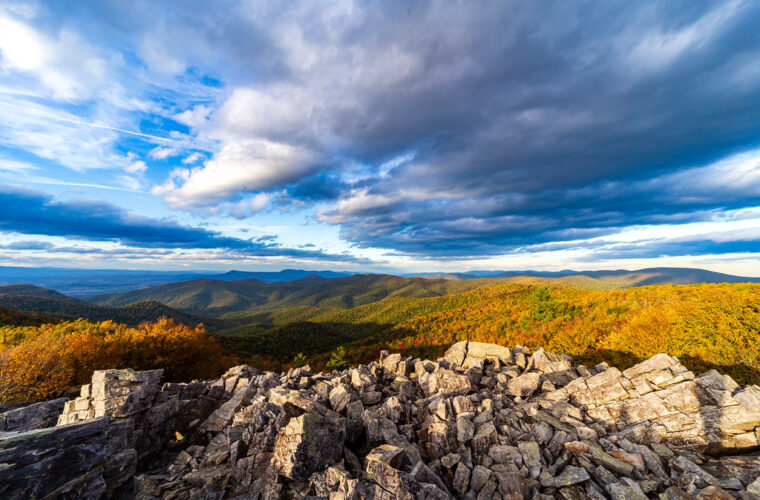
At the Hawksbill observation platform, angular green ridges fall away in overlapping layers while the Shenandoah Valley opens to the west. The final approach feels cooler under red oak and mountain ash, then the canopy abruptly gives way to sun, wind, warm stone underfoot, and a scale that the wooded trail conceals until the last few steps.
Waterfall trails and their summer tradeoffs
Dark Hollow Falls is approximately 1.4 miles round trip, but its steep, rocky return climb can surprise visitors. The trail is heavily used because its trailhead lies close to Big Meadows. Whiteoak Canyon provides a longer series of cascades and pools, while Overall Run Falls has the park’s tallest waterfall drop. Flow usually diminishes during dry periods, and wet rocks remain hazardous even when streams look gentle.
Longer and more demanding objectives
Old Rag’s exposed rock scramble, narrow passages, and sustained climbing make it a full day undertaking rather than a casual summit walk. The circuit is roughly 9 miles, depending on the chosen route and access point. Start early to reduce heat exposure and congestion at the scramble. Hikers wanting fewer technical moves can choose Appalachian Trail sections near Milam Gap, Swift Run Gap, or Compton Gap.
Access, Crowds, and Summer Planning
Skyline Drive has entrances at Front Royal, Thornton Gap, Swift Run Gap, and Rockfish Gap. Driving the entire 105 mile road takes at least three hours without substantial stops, and wildlife, bicycles, fog, and overlook traffic can extend that time. A better summer plan usually concentrates on the northern, central, or southern district rather than attempting the whole road and a major hike in one day.
Where congestion affects the experience
Big Meadows, Dark Hollow Falls, Hawksbill, Stony Man, and popular sunset overlooks fill earliest on summer weekends. Congestion affects more than parking. It can add time to narrow trail sections, create queues at viewpoints, and leave hikers starting exposed or strenuous routes later than intended. Arriving near sunrise generally improves parking, temperatures, wildlife sightings, and storm avoidance.
Permits, lodging, and reservation timing
Campgrounds and park lodging are limited relative to summer demand, especially around Big Meadows and the central district. Reserve accommodations as soon as firm dates are available, then build hikes around that location. Old Rag commonly has a seasonal day use permit system, while entrance fees and campground procedures can change. Confirm current permits, reservation windows, road conditions, and fees on the official park site before travel.
Shenandoah National Park Summer trip priorities
Choose the central district for first visits focused on Big Meadows, Hawksbill, Stony Man, Dark Hollow Falls, and shorter drives between trailheads. The northern district works well for travelers entering from Front Royal or Thornton Gap, while the southern district generally feels quieter and provides convenient access from Rockfish Gap. The southern section also offers numerous Appalachian Trail crossings and broad overlooks without concentrating every stop around one major visitor hub.
Build the Day Around Heat, Storms, and Traffic
A productive summer schedule places the longest climb in the morning and reserves flexible stops for the afternoon. Begin strenuous routes by 8 a.m., earlier for Old Rag or long waterfall circuits. Plan to reach exposed summits before clouds begin building, then move toward picnic areas, visitor facilities, or short woodland walks. Sunset overlooks can become busy again, particularly near Skyland and Big Meadows, so allow extra time to find a legal parking space.
Use crowd patterns to choose a trailhead
Most day visitors arrive through Thornton Gap or Front Royal during midmorning, then move toward the central district. Trailheads closest to Skyline Drive feel the effect first. If a primary lot is full, continue to a planned alternative rather than parking on vegetation or narrowing the roadway. Marys Rock, Bearfence Mountain, and Blackrock Summit provide useful substitutes for better known summit hikes, although Bearfence includes a short rock scramble that may be unsuitable during rain.
Keep an afternoon backup plan
Thunder, dense fog, or a full parking area should change the route rather than end the day. Big Meadows offers wildlife viewing near dawn and dusk, while the Limberlost Trail provides a gentler forest walk beneath mature hardwoods. During active thunderstorms, avoid overlooks, exposed rock, isolated trees, and metal railings. Wait inside a hard topped vehicle after the last thunder, then reassess conditions before returning to a trail.
- Choose one primary hike and two nearby alternatives before entering the park.
- Download maps while mobile service is available.
- Place rain gear and dry clothing where they can be reached without unloading the vehicle.
- Leave enough daylight for a slower return on wet roots and rocks.
How Access Changes Outside the Summer Season
Shenandoah National Park Summer travel generally provides the simplest road access, but shoulder seasons reward visitors who can tolerate uncertainty. Skyline Drive may close temporarily after snow, ice, high winds, or storm damage. Even when the road is open, campgrounds, food service, lodging, and visitor facilities follow seasonal operating periods. Boundary trailheads can provide alternative access, although they may involve longer climbs from lower elevations and limited legal parking.
Spring brings water, mud, and delayed leaf growth
March and April can produce cold ridge winds while lower valleys are already mild. Waterfall routes such as Whiteoak Canyon, South River Falls, and Overall Run often carry stronger flow after rain and snowmelt. Expect saturated soil, slippery stream crossings, and sections of lingering ice at higher elevations. By May, trillium, violets, wild geranium, and other woodland flowers appear before the canopy closes, making spring preferable for visitors focused on botany and waterfalls.
Autumn and winter require different planning
October color progresses unevenly because elevation, slope direction, rainfall, and tree species influence timing. Traffic may crawl near popular overlooks, reducing the distance visitors can cover in one day. Winter removes the leafy screen from many ridges and exposes wider views, but ice can make steep waterfall trails and rock scrambles hazardous. When Skyline Drive closes, reaching high elevation trailheads by vehicle may be impossible until crews reopen the affected section.
Choose the Season and Schedule That Match Your Priorities
The best visit depends on the experience that matters most. Families seeking predictable road access and long daylight usually benefit from summer. Photographers may prefer autumn color or winter clarity, while waterfall hikers gain from spring stream flow. Travelers sensitive to heat should favor June mornings, high elevation routes, or a shoulder season. The table below converts those priorities into a practical starting point.
| Primary goal | Strongest timing | Main planning issue | Good starting area |
|---|---|---|---|
| Waterfalls and wildflowers | April through May | Mud, cool rain, variable stream crossings | Central district and South River area |
| Long hiking days | June through August | Humidity, storms, busy trailheads | Big Meadows, Hawksbill, or southern district |
| Fall foliage | October, with timing varying by elevation | Slow traffic and crowded overlooks | One district rather than the full drive |
| Solitude and open views | Late fall through winter | Ice, cold wind, road closures, reduced services | Lower boundary trails when safely accessible |
Match trip length to the park’s geography
With one day, choose a single district and combine one substantial hike with two or three overlooks. A two day visit allows separate summit and waterfall days, which reduces the temptation to begin a steep descent late in the afternoon. Three days support a quieter southern district drive, an Appalachian Trail segment, and time around Big Meadows. Changing accommodations every night often wastes the cooler morning hours that are most valuable for hiking.
Book the hardest constraint first
Start with any required hiking permit, followed by lodging or camping, then organize trail choices by entrance and district. Backcountry campers also need the applicable permit and must select legal campsites that meet park regulations. Keep one day flexible if Old Rag is central to the trip, since wet rock and thunderstorms can make its scramble a poor choice. The permit and operating check described earlier should be completed again shortly before departure.
Gear & Essentials
Tell us about your trip and we will add what else you will want:
The basics
Worth having in the car whatever the park.
For this trip
Traveling with kids
Bringing a pet
RVing
Backcountry
On the water
Photography
Accessibility
As an Amazon Associate we earn from qualifying purchases, at no extra cost to you.
Plan a Better Visit to Shenandoah National Park in Summer
Summer provides long daylight, dense forest shade, dependable access to Skyline Drive, and the broadest selection of hikes. It also demands early starts, realistic driving plans, and respect for heat and thunderstorms. Concentrating on one district prevents hours of unnecessary driving and creates room to change trails when parking, weather, or fatigue alters the original plan.
Choose June for somewhat milder conditions, July for maximum daylight and full summer activity, or August for a similar landscape with gradually shortening days. Reserve limited accommodations early, secure applicable permits, and pair every demanding route with a nearby alternative. That preparation leaves more time for the experiences that define Shenandoah: high Blue Ridge viewpoints, shaded hollows, wildlife at Big Meadows, and trails ranging from gentle forest walks to exposed rock scrambles.
Want to keep exploring? Browse all our Shenandoah guides and articles for more trip-planning tips and ideas.