Where to Stay Near Glacier National Park: Lodges, Campgrounds and Towns
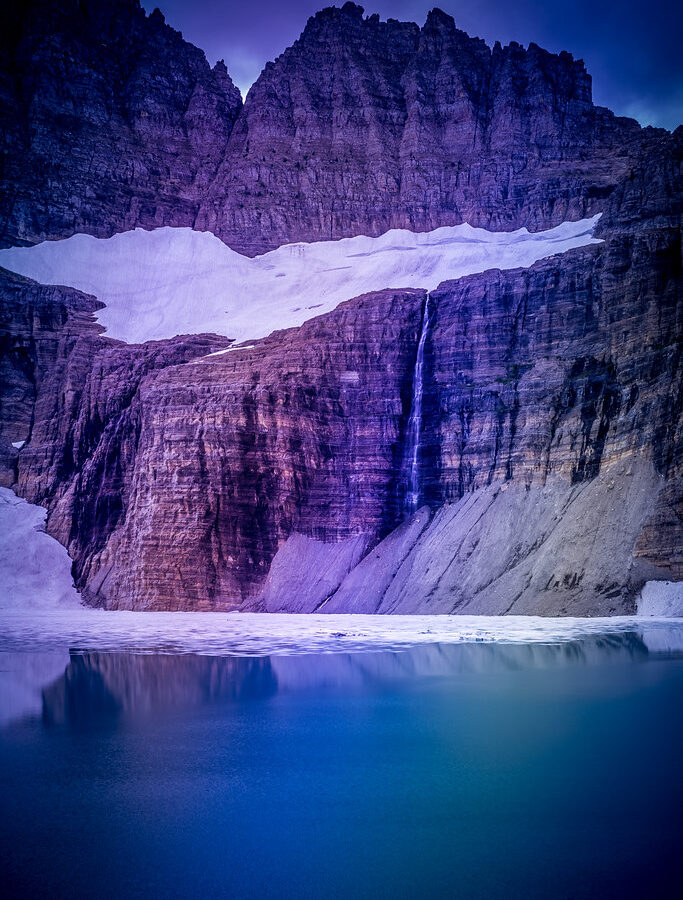
Photo: SridharSaraf via Flickr (CC BY-SA 2.0)
Knowing Where Stay Near Glacier National Park begins with one geographic fact: the park has no central lodging hub. The Continental Divide separates its west and east sides, Going-to-the-Sun Road crosses roughly 50 mountain miles between West Glacier and St. Mary, and winter snow often keeps the alpine section closed well into early summer. A room that looks close on a map can sit several hours from the trail you intend to hike. Our team recommends choosing accommodation around one or two park corridors rather than commuting across Glacier each day. This first half explains the main lodging zones.
Our team recommends choosing accommodation around one or two park corridors rather than commuting across Glacier each day. This first half explains the main lodging zones, the tradeoffs between in-park lodges and gateway towns, and the locations that best serve Going-to-the-Sun Road, Many Glacier, and the park’s quieter edges.
Where to Stay Near Glacier National Park Begins with Park Geography
Glacier National Park covers more than one million acres along Montana’s border with Canada. Its roads approach separate glacial valleys divided by steep ridges, including the Livingston and Lewis ranges. Lodging decisions therefore shape the visit more than they do at parks with a single loop road. West Glacier, St. Mary, Many Glacier, Two Medicine, and North Fork function as distinct bases, with limited direct connections between some of them.
Going-to-the-Sun Road provides the principal east to west crossing during its operating season. The route climbs from dense western cedar and hemlock forest to Logan Pass at 6,646 feet, then descends through the drier St. Mary Valley. Vehicle access rules, construction, weather closures, campground operations, and lodging seasons can change, so confirm current details on the official park site before reserving a base.
Match Your Bed to Your Priority Trail
Visitors focused on Avalanche Lake, the Trail of the Cedars, Lake McDonald, or an early west-side Going-to-the-Sun Road departure should favor West Glacier, Apgar, or the Lake McDonald corridor. St. Mary works better for the eastern road, including Sun Point, St. Mary Falls, Virginia Falls, and Logan Pass approaches. Many Glacier is the strategic choice for Grinnell Glacier, Iceberg Lake, and Ptarmigan Tunnel.
- Going-to-the-Sun Road sightseeing: Split the stay between the west side and St. Mary when time permits.
- Major day hikes: Sleep in the same valley as the trailhead to avoid a long predawn drive.
- Rafting and broader dining choices: Look toward West Glacier, Columbia Falls, or Whitefish.
- Quiet scenery and historic character: Consider East Glacier Park and the Two Medicine area.
- Remote gravel-road exploration: Use Polebridge or another North Fork base, with realistic expectations about services.
Travel Times Matter More Than Straight-Line Distance
Mountain roads determine the practical distance between beds and trailheads. West Glacier and St. Mary sit on opposite ends of Going-to-the-Sun Road, while Many Glacier lies beyond a separate access road north of St. Mary. When the alpine road is closed, reaching the opposite side generally requires the longer highway route around the park’s southern boundary.
| Base | Best access | Typical planning concern |
|---|---|---|
| West Glacier or Apgar | Lake McDonald, Avalanche, western Going-to-the-Sun Road | Long trip to Many Glacier |
| St. Mary | Eastern Going-to-the-Sun Road, Logan Pass, St. Mary Valley | Fewer large-town services |
| Many Glacier | Grinnell Glacier, Iceberg Lake, Swiftcurrent Valley | Isolated access road and strong seasonal demand |
| East Glacier Park | Two Medicine, southern park boundary | Indirect access to St. Mary and Many Glacier |
| Columbia Falls | West entrance with supermarkets and town services | Daily drive before entering the park |
Where to Stay Near Glacier on the West Side
The west side receives more Pacific moisture than the east, creating forests of western red cedar, western hemlock, Douglas fir, and black cottonwood around Lake McDonald and Avalanche Creek. It is the easiest side to combine with larger grocery stores, an airport arrival, rafting trips, and a range of cabins, motels, vacation rentals, and campgrounds. It also concentrates summer traffic near the west entrance.
Lake McDonald fills a glacially carved basin about 10 miles long and nearly 500 feet deep. Its shoreline corridor provides the west side’s defining lodging experience, with quick access to the lake and the lower Going-to-the-Sun Road. Staying farther out in Columbia Falls or Whitefish usually expands dining and accommodation choices but adds a commute before every park day.
Apgar and Lake McDonald for Early Park Access
Apgar sits near the foot of Lake McDonald, just inside the west entrance. Its location suits travelers who want sunrise or evening time along the lake without driving back to an outside town. Farther up the shoreline, Lake McDonald Lodge occupies a historic site near the road, while nearby camping areas place visitors closer to Avalanche Creek and the climb toward Logan Pass.
Stand at the Apgar shoreline early in the morning and the lodging geography becomes clear. Rounded stones shift underfoot, cold air drains from the mountains, and the lake forms a long sightline toward Stanton Mountain and the Livingston Range. On calm mornings, sound carries across the water before road traffic builds. Staying nearby makes this quiet hour practical rather than aspirational.
Who Should Choose the Lake Corridor
This corridor works especially well for first-time visitors, families planning shorter walks, and hikers targeting the 5.9-mile round trip to Avalanche Lake. The accessible boardwalk portions of the Trail of the Cedars also begin near Avalanche Campground. Accommodation inventory inside the park is finite, so travelers needing kitchens, multiple bedrooms, or extensive dining choices often fare better outside the entrance.
West Glacier, Columbia Falls, and Whitefish
West Glacier is the closest outside gateway and provides convenient access to the park entrance and the Middle Fork of the Flathead River. Columbia Falls lies farther west but functions as a practical supply base with supermarkets, fuel, and varied accommodation types. Whitefish is farther away again, trading a longer park commute for a walkable resort-town setting and the broadest collection of restaurants and conventional hotels.
Choose among these towns by counting mornings, not amenities alone. A visitor spending four consecutive days on park trails will feel every repeated drive from Whitefish. Someone combining Glacier with a relaxed arrival day, restaurant evenings, or activities outside the park may prefer the town’s flexibility. Columbia Falls often provides the most balanced compromise between services and west-entrance access.
East Side Lodging for Glacier’s Sharpest Mountain Scenery
East of the Continental Divide, the mountains rise abruptly from open grassland. The rain-shadow climate produces fewer dense forests, broader views, stronger wind exposure, and fast weather changes. St. Mary, Many Glacier, and East Glacier Park each serve different valleys, so treating them as interchangeable east-side lodging can create substantial driving.
This side places visitors closest to Glacier’s signature glacial landforms: arêtes, cirques, hanging valleys, and chains of turquoise lakes. It also overlaps important habitat for grizzly bears, black bears, bighorn sheep, mountain goats, and moose. Hikers should carry bear spray where it is immediately reachable and follow food-storage rules in every campground and picnic area.
Where to Stay Near Glacier for Going-to-the-Sun Road Access
St. Mary is the eastern anchor of Going-to-the-Sun Road. From here, the route follows St. Mary Lake toward Wild Goose Island, Sun Point, and the trail systems around St. Mary and Virginia falls before climbing toward Logan Pass. Staying nearby gives hikers a substantial advantage for early trailhead access and reduces the risk of spending prime morning hours crossing the park.
Many Glacier for Trail-Focused Trips
Many Glacier occupies a separate valley north of St. Mary and has its own access road. Historic lodging overlooks Swiftcurrent Lake, while other rooms, cabins, and campgrounds cluster around the upper valley. The area is exceptionally efficient for hikers because several major routes begin near the lodging zone rather than at distant roadside trailheads.
Signature Hikes from the Valley
The Grinnell Glacier route covers roughly 10 miles round trip when hiked fully from the Swiftcurrent Lake area, with boat-assisted variations sometimes shortening the walking distance. Iceberg Lake is about 9.6 miles round trip, while the demanding Swiftcurrent Pass Trail climbs through multiple ecological zones toward the Continental Divide. Trail closures sometimes occur because of bear activity, snow, or maintenance.
In-Park Lodges Versus Gateway Towns
Glacier’s in-park lodging emphasizes location and historic atmosphere. Several properties date to the park’s early tourism era, when rail travel and chalet-style architecture shaped visitor circulation. Rooms may be simpler than modern resort accommodations, and air conditioning, elevators, televisions, or extensive dining should never be assumed in historic buildings.
Gateway towns provide a wider range of prices, kitchens, laundry facilities, larger rooms, and year-round services. The tradeoff is time. A lower nightly rate can lose practical value when every hiking day begins and ends with a lengthy drive, especially after a strenuous route or during periods of heavy entrance traffic.
When an In-Park Room Earns Its Premium
An in-park lodge is most valuable when it protects early and late hours. A Lake McDonald room supports dawn shoreline walks and a head start up the west side. Many Glacier accommodation places guests near several premier trailheads. St. Mary lodging reduces the approach to Logan Pass and eastern waterfalls. For a short visit, those saved hours often matter more than room size.
When a Town Base Works Better
Town lodging suits longer stays that require groceries, restaurant variety, reliable connectivity, or space for a group. It also works for travelers mixing park days with river trips, rest days, or regional drives. Families preparing their own meals should verify kitchen facilities before booking, while campers should distinguish between developed campgrounds, private RV parks, and primitive sites with limited services.
Campgrounds Change the Pace of a Glacier Visit
Camping places you near trailheads without paying lodge rates, but Glacier’s campgrounds vary greatly in road access, exposure, and surroundings. Apgar and Fish Creek serve the Lake McDonald area, while Avalanche and Sprague Creek occupy the narrower forested corridor farther east. On the opposite side, St. Mary, Many Glacier, and Two Medicine support early starts in their respective valleys.
Site dimensions matter for trailers and motorhomes because older campground loops were designed around smaller vehicles. Match the published length of each site to the combined dimensions of your vehicle and trailer. Generators, food storage, quiet hours, and vehicle limits are regulated, and bear resistant storage practices apply even when wildlife has not recently been reported nearby.
Developed Campgrounds for Road Based Trips
Apgar works well for paddling, lakeshore evenings, and west entrance access. Avalanche shortens the approach to the Trail of the Cedars, but its position beside Going-to-the-Sun Road can bring steady traffic. Many Glacier is the strongest campground location for ambitious hikers, while St. Mary better serves travelers dividing their time among Logan Pass, the eastern waterfalls, and scenic road stops.
North Fork Camping Requires More Preparation
Bowman Lake and Kintla Lake provide a quieter experience in Glacier’s North Fork, reached by narrow, rough roads where dust, potholes, and slow speeds are normal. Supplies are limited after leaving the main highway corridor, and towing large recreational vehicles into these areas can be impractical. Carry drinking water, meals, tire equipment, and enough fuel to avoid depending on remote services.
Choose Bowman or Kintla by Trip Style
Bowman Lake suits paddling and day hiking, including the shoreline route toward the lake’s head. Kintla Lake sits farther north and appeals to visitors seeking a more isolated base or beginning longer backcountry routes. Neither location is efficient for daily sightseeing on Going-to-the-Sun Road, so reserve the North Fork for a dedicated portion of the trip.
Build a Split Stay Instead of Backtracking
A practical Where Stay Near Glacier plan often uses two lodging zones. Four nights could include two near Lake McDonald and two near St. Mary, placing both halves of Going-to-the-Sun Road within easier reach. Travelers prioritizing Grinnell Glacier or Iceberg Lake should shift one east side night to Many Glacier rather than commuting from the west.
Changing accommodation costs part of a day, but the move can become sightseeing time. Drive the park road when the alpine section is open, stopping at overlooks before checking into the next base. When it is closed, use the southern highway route and include Two Medicine or East Glacier Park rather than treating the longer transfer as lost time.
A Four Night First Visit
- Spend nights one and two near West Glacier, Apgar, or Lake McDonald.
- Use the first full day for Avalanche Lake and the Lake McDonald corridor.
- Cross to St. Mary on day three, adding Logan Pass and St. Mary Lake stops.
- Use the final full day for eastern waterfalls or a Many Glacier day hike.
Five or Six Nights for Serious Hiking
Add at least two nights in Many Glacier when long trails drive the itinerary. This creates flexibility if clouds, wind, wildlife activity, or lingering snow affect the first hiking day. Two Medicine can replace one west side night for travelers interested in Dawson Pass, Scenic Point, or the roughly 7 mile round trip to Upper Two Medicine Lake.
Let the Season Determine the Lodging Zone
Glacier’s usable lodging geography contracts outside midsummer. Lower elevation roads and trails can be accessible while Logan Pass remains snowbound, making a cross park reservation impractical. East side weather is often windier, and exposed trails can feel substantially colder than sheltered forests near Lake McDonald. September brings fewer daylight hours and the possibility of early mountain snow.
Winter visitors generally base outside the park and treat Glacier as a day trip destination for snowshoeing, skiing, or quiet road walks where access permits. Many historic properties and seasonal campgrounds do not operate year round. A kitchen and dependable town services become more valuable when dining choices near park boundaries are reduced.
| Period | Most practical base | Planning implication |
|---|---|---|
| May to early June | West Glacier or Columbia Falls | Prioritize lower trails and expect alpine snow |
| July and August | Split west and east sides | Broadest trail access and highest lodging demand |
| September | West side, St. Mary, or Many Glacier | Allow for cold mornings and shorter daylight |
| October through April | Columbia Falls or Whitefish | Plan around winter road access and limited seasonal services |
Reserve the Hardest Night First
Secure Many Glacier, Lake McDonald, or another location critical to a specific hike before arranging flexible town nights. Check cancellation terms, bed configuration, parking limits, and meal availability. Campers should compare site dimensions and generator policies, while lodge guests should verify stairs, private bathrooms, and cooling options in historic buildings.
Choosing Where to Stay Near Glacier: Lodges, Campgrounds and Towns
The best location follows the valley you expect to explore most. West Glacier and Lake McDonald support first visits, family walks, and west side trails. St. Mary provides efficient access to the eastern park road. Many Glacier rewards hikers who want several major routes outside their door, while East Glacier Park and Two Medicine offer a quieter southern alternative.
Split the stay when the itinerary spans both sides, and avoid using distant town amenities as the only measure of value. A strategically located room or campsite can save hours of mountain driving, preserve energy after a long hike, and make dawn conditions easier to experience. Choose the trailheads first, then reserve the bed that keeps those trailheads realistically close.
Want to keep exploring? Browse all our Glacier guides and articles for more trip-planning tips and ideas.
Gear & Essentials
Tell us about your trip and we will add what else you will want:
The basics
Worth having in the car whatever the park.
For this trip
Traveling with kids
Bringing a pet
RVing
Backcountry
Winter conditions
On the water
Photography
Accessibility
As an Amazon Associate we earn from qualifying purchases, at no extra cost to you.