Where to Stay Near Zion National Park: Lodges, Campgrounds and Towns
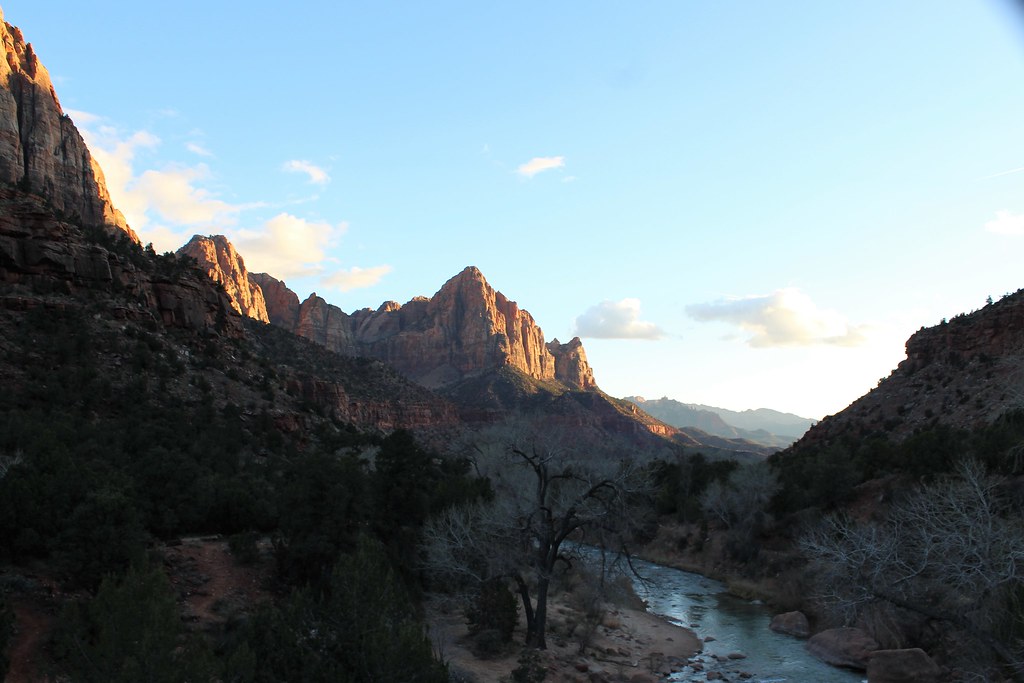
Photo: agcaddesigns.com Architectural Renderings via Flickr (CC BY 2.0)
Travelers searching “Where Stay Near Zion” often assume Springdale is the automatic answer, yet a room several miles away can work better for east-side hikes, Kolob Terrace, or an early drive toward Bryce Canyon. Zion’s entrances do not connect through a simple loop. The Zion-Mount Carmel Highway crosses steep switchbacks and a historic tunnel, while Kolob Canyons occupies a separate corner of the park reached from Interstate 15.
For most first-time visits, the practical choices are Zion Lodge inside Zion Canyon, Springdale beside the south entrance, campgrounds near the Virgin River, or a base in communities such as Virgin, La Verkin, Hurricane, Kanab, and St. George. The right one depends on which park corridor matters most, how many mornings begin before sunrise, and whether anyone in the group wants to avoid driving mountain roads after dark.
Geography Behind a “Where Stay Near Zion” Decision
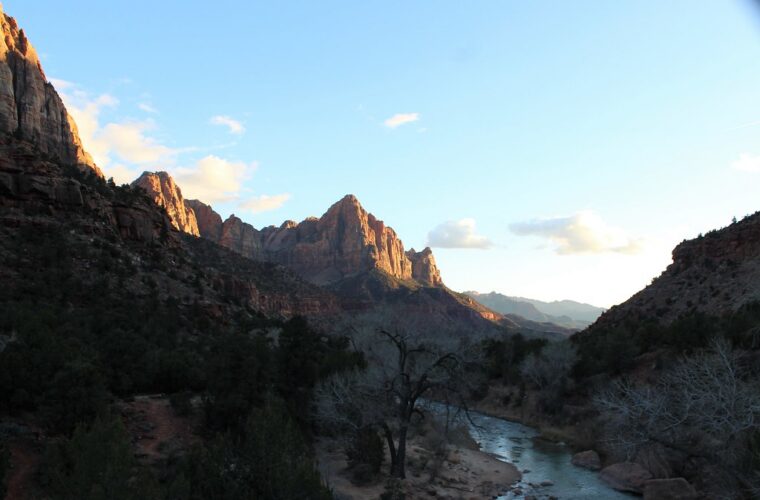
Zion Canyon is a narrow branch of the Virgin River cut into Navajo Sandstone, with walls rising roughly 2,000 feet above the canyon floor. Many signature outings begin along Zion Canyon Scenic Drive, including Angels Landing from the Grotto, Emerald Pools near Zion Lodge, and the Riverside Walk from the Temple of Sinawava. Staying near the south entrance simplifies access to this corridor, especially when seasonal traffic controls limit private vehicles and visitors use the park shuttle.
The Main Canyon and South Entrance
Springdale extends along State Route 9 immediately outside the park. Properties at its eastern end can be within walking distance of the pedestrian entrance and Zion Canyon Visitor Center, while lodging farther west may require a local shuttle, bicycle, or short drive. This is the most efficient base for travelers prioritizing the Narrows, Angels Landing, Emerald Pools, and Pa’rus Trail. It also reduces the need to compete for limited parking inside the park during busy mornings.
The south entrance sits near 4,000 feet in elevation, so summer afternoons can exceed 100 degrees Fahrenheit even when mornings feel comfortable. Canyon walls delay direct sunlight in some locations, but exposed trails such as Watchman Trail and the West Rim approach heat quickly. In winter, Springdale and lower Zion Canyon often remain accessible while shaded trail sections hold ice. That lower elevation gives south-side lodging a longer hiking season than the park’s high plateaus.
East Zion, Kolob Terrace, and Kolob Canyons
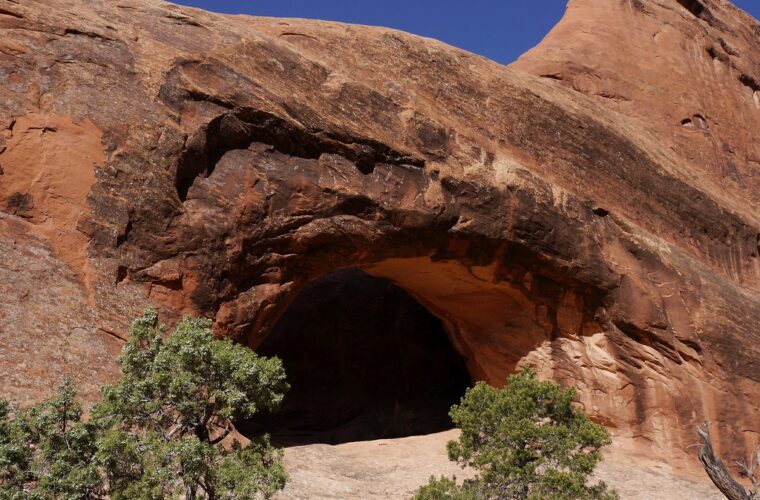
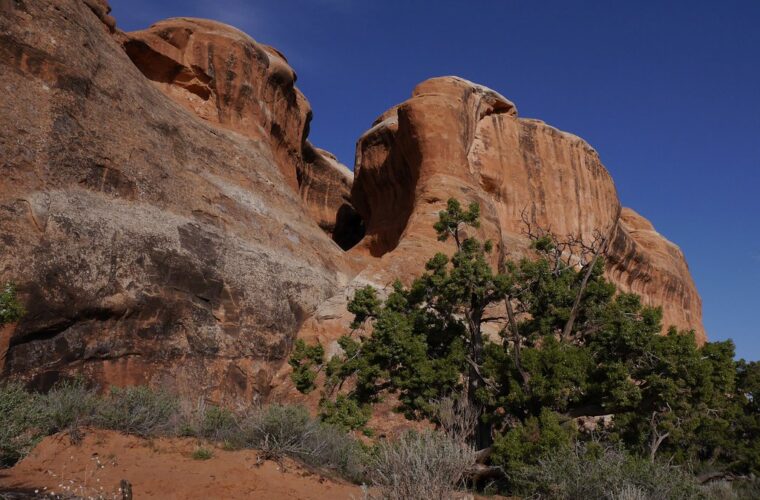
The east entrance opens onto slickrock domes, cross-bedded sandstone, ponderosa pine, and trailheads such as Canyon Overlook, whose route is about one mile round trip. Lodging east of the park suits travelers continuing to Kanab or Bryce Canyon, but every Zion Canyon day requires driving through the Zion-Mount Carmel Tunnel and descending its switchbacks. Large vehicles face tunnel-related restrictions, which should influence RV and trailer plans.
Kolob Terrace Road leaves the town of Virgin and climbs toward high-country trailheads, including access for the Subway and Lava Point. Kolob Canyons, known for crimson finger canyons and the Taylor Creek Trail, has a separate entrance beside Interstate 15. Neither district offers convenient daily access to Zion Canyon. They make sense for repeat visitors, backpacking itineraries, and travelers who value quiet trailheads over shuttle convenience.
Where to Stay Near Zion: Options at a Glance
Drive times around Zion are shaped by two-lane roads, wildlife, tunnel traffic, and parking queues. The estimates below represent ordinary conditions rather than holiday congestion. Shuttle operations, campground openings, lodging availability, vehicle restrictions, permits, and current fees can change, so confirm those details on the official park site before finalizing reservations.
| Base | Typical access | Best suited to | Main compromise |
|---|---|---|---|
| Zion Lodge | Inside Zion Canyon | Early canyon walks and minimal commuting | Limited inventory and fewer off-site dining choices |
| Springdale | 0 to 2 miles from the south entrance | First visits and shuttle-based itineraries | High demand during spring and autumn |
| Virgin, La Verkin, or Hurricane | Roughly 15 to 25 miles from the south entrance | Travelers seeking more space or road access | A daily drive and possible parking delays |
| East entrance area | Scattered lodging along State Route 9 and US 89 | East Zion scenery and Bryce combinations | Tunnel and switchback travel to Zion Canyon |
| Kanab | About 30 miles from the east entrance | Regional trips covering southern Utah and northern Arizona | Too much commuting for repeated canyon mornings |
| St. George | About 40 miles from the south entrance | Broader services and airport access | Longest regular commute among west-side bases |
Match the Base to the First Trail of the Day
Angels Landing begins from the Grotto and involves about 5.4 miles round trip with roughly 1,500 feet of elevation gain. The Narrows starts beyond the one-mile Riverside Walk at the far end of Zion Canyon Scenic Drive. For either outing, Zion Lodge or Springdale removes an unnecessary predawn highway drive. East-side lodging performs better for Canyon Overlook, sunrise photography among the Checkerboard Mesa formations, and onward travel toward Mount Carmel Junction.
Use Three Priorities Before Comparing Room Rates
- Morning access: Identify the trailhead or park district used on most days, then choose the closest practical corridor.
- Vehicle needs: Consider RV dimensions, trailer parking, tunnel rules, and whether the group is comfortable using shuttles.
- Temperature: Lower Zion Canyon favors winter travel, while high Kolob Terrace locations can be 15 to 25 degrees cooler in summer.
- Evening routine: Springdale supports walking between lodging and restaurants, while outlying bases generally require driving.
Where to Stay Near Zion National Park: Lodges and Campgrounds
The park’s only conventional hotel is Zion Lodge, located roughly halfway up Zion Canyon Scenic Drive. The nearest campground options occupy the lower canyon near the visitor center, while Springdale supplies the largest concentration of hotel rooms, vacation rentals, and small inns. These choices place visitors beside the Virgin River corridor, where Fremont cottonwoods, box elders, mule deer, and wild turkeys occupy the relatively level canyon floor.
Zion Lodge Inside the Canyon
Zion Lodge is the strongest location for walking to the Emerald Pools trail system and reaching shuttle stops without first entering through the park gate. Its advantage is measured in time rather than mileage: guests wake inside the canyon after many day visitors have left. Dining and shopping choices are narrower than in Springdale, and availability can disappear well ahead of popular spring and autumn dates.
At daybreak, the lawn and cottonwoods around the lodge remain in cool shadow while sunlight reaches the upper sandstone thousands of feet overhead. Footsteps sound muted on the paths, and the canyon feels narrower than it appears from roadside overlooks. As the sun drops toward the canyon floor, temperatures rise quickly. That shift explains why an on-site room is especially useful for midday breaks between an early hike and a late-afternoon walk.
The “Where Stay Near Zion” Choice for Car-Free Days
Springdale gives visitors the best chance of parking once and relying on walking, cycling, or local and park transportation. The Pa’rus Trail begins near the visitor center and follows the Virgin River for about 1.7 miles one way, providing a bicycle-friendly connection into lower Zion Canyon. Travelers should still check a property’s exact position, since the town stretches several miles and walking to the entrance from its western end is impractical in summer heat.
Watchman, South, and High-Country Camping
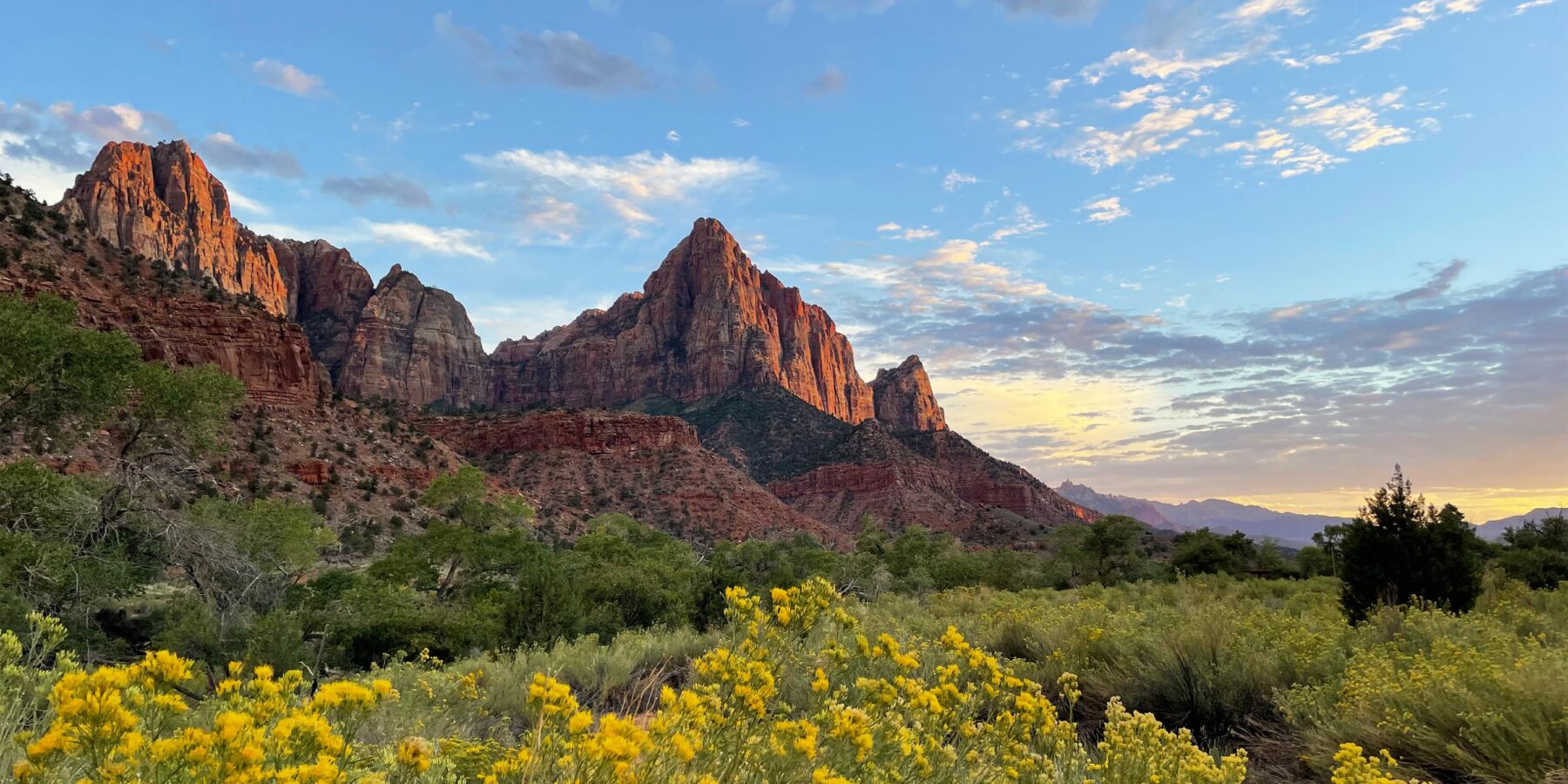
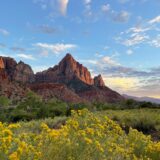
Watchman Campground lies near the south entrance beneath its namesake sandstone peak, placing campers close to the visitor center and Pa’rus Trail. South Campground occupies the same general lower-canyon zone, although operating status and site availability can vary. Both experience intense summer heat, limited afternoon shade, and cold-air pooling on winter nights. River proximity does not guarantee a cool campsite once direct sun reaches the canyon floor.
Lava Point Campground sits near 7,900 feet on Kolob Terrace, creating a completely different stay among conifers and open plateau country. It is reached by a long, winding climb from Virgin and is poorly positioned for daily Zion Canyon sightseeing. Summer nights can be pleasantly cool, while snow and road conditions shorten its usable season. Campers choosing this area should plan food, fuel, water, and travel time before leaving the lower valley.
Towns Near Zion National Park That Solve Specific Itinerary Problems
Communities west and east of Zion exchange immediate trail access for larger rooms, kitchens, easier grocery stops, or a better position for the next day’s drive. The savings can shrink once parking costs, fuel, and commuting time are included. When comparing where to stay, map the property to the correct entrance rather than relying on a listing that simply claims proximity to Zion.
Virgin, La Verkin, and Hurricane
Virgin is the logical base for Kolob Terrace Road, including trail access toward the Subway, Northgate Peaks, and Lava Point. La Verkin and Hurricane sit closer to supermarkets and the State Route 9 approach from Interstate 15. These towns work well for families seeking kitchens or multiple bedrooms, but drivers should leave additional time for the slower corridor through Rockville and Springdale before reaching the south entrance.
Kanab and the East Entrance Corridor
Kanab fits a regional itinerary incorporating Coral Pink Sand Dunes, Bryce Canyon, or the North Rim of Grand Canyon. For consecutive days in Zion Canyon, however, the tunnel crossing and winding highway create a tiring commute. Properties near Mount Carmel Junction or along the east approach shorten that trip while preserving quick access to Checkerboard Mesa, Many Pools, and the Canyon Overlook trailhead, where parking is limited.
Match the Accommodation to Zion’s Seasons
Where Stay Near Zion depends partly on elevation and exposure. Spring and autumn bring comfortable hiking temperatures but strong lodging demand around Zion Canyon. Summer rewards rooms with effective cooling and campgrounds with afternoon shade. Winter visitors should prioritize flexible driving plans because snow affects the high plateaus and east entrance before it disrupts lower Springdale.
| Season | Useful base | Lodging feature to prioritize |
|---|---|---|
| Spring | Springdale or Zion Lodge | Early transportation access for busy trail mornings |
| Summer | Springdale or higher Kolob Terrace | Cooling, shade, and space for water storage |
| Autumn | South entrance corridor | Walkability when parking demand is high |
| Winter | Springdale, Hurricane, or St. George | Reliable heating and straightforward paved access |
Summer Heat and Flash Flood Planning
July and August commonly bring afternoon thunderstorms associated with the North American monsoon. A room near the south entrance makes it easier to begin exposed hikes at dawn and return during peak heat. Campers should avoid treating the Virgin River as guaranteed relief because flow can be low, water may carry harmful cyanobacteria, and thunderstorms upstream can change conditions in narrow canyons.
Cold Nights Above the Canyon
East Zion and Kolob Terrace can be substantially colder than Springdale, especially after sunset. Campers need sleeping systems suited to the forecast elevation rather than temperatures reported for the canyon floor. Winter shade also preserves ice on trails such as Canyon Overlook and upper Emerald Pools. Lodging with a kitchen or nearby food options becomes valuable when short daylight limits evening travel.
Build a Stay That Protects Trail Time
A split stay can eliminate unnecessary backtracking. Two nights in Springdale support a Narrows day and a permitted Angels Landing outing, followed by a night east of the park before Bryce Canyon. Visitors concentrating on Taylor Creek and the Kolob Canyons Viewpoint should instead move toward Cedar City or Interstate 15 rather than returning through Zion Canyon.
Questions to Ask Before Booking
Property descriptions often conceal the details that determine whether a Zion stay runs smoothly. Verify the walking route to transportation, especially if it crosses State Route 9 or lacks sidewalks. Campers and road trippers should also establish where they can organize wet boots, trekking poles, coolers, and dusty equipment without crowding sleeping areas.
A Practical Reservation Checklist
- Check the actual driving route to the entrance needed each morning.
- Ask whether the quoted room includes on-site parking for every vehicle.
- Confirm trailer length limits and maneuvering space before towing into Springdale.
- Look for a refrigerator if carrying lunches for early trail departures.
- Choose laundry access after the Narrows, where footwear and clothing may remain wet and sandy.
- Review cancellation terms when visiting during winter storms or summer flood season.
When One Base Is Better Than Moving
Changing rooms consumes time through packing, checkout, and food transfer. Travelers spending three or more days primarily in Zion Canyon usually gain little from relocating. Keep one Springdale or lodge base for the West Rim, Emerald Pools, and Riverside Walk. Split the stay only when the itinerary shifts clearly to Kolob Canyons, East Zion, or another national park.
Choose the Base That Fits Your Zion Days
For a first visit centered on Zion Canyon, Zion Lodge and Springdale deliver the simplest mornings and the least driving. Virgin serves Kolob Terrace, while the east entrance corridor supports slickrock exploration and onward travel. Hurricane, Kanab, and St. George provide broader services, but each adds commuting that should be weighed against any room-rate savings.
Start with the first trailhead of each day, then evaluate parking, seasonal temperatures, vehicle limitations, and evening needs. That sequence prevents a misleadingly close property from controlling the trip. The best lodging choice leaves enough time and energy for Zion’s canyon walks, sandstone overlooks, and quieter districts instead of spending the visit repeatedly crossing the same roads.
Want to keep exploring? Browse all our Zion guides and articles for more trip-planning tips and ideas.
Gear & Essentials
Tell us about your trip and we will add what else you will want:
The basics
Worth having in the car whatever the park.
For this trip
Traveling with kids
Bringing a pet
RVing
Backcountry
Winter conditions
On the water
Photography
Accessibility
As an Amazon Associate we earn from qualifying purchases, at no extra cost to you.