Where to Stay Near Denali National Park: Lodges, Campgrounds and Towns
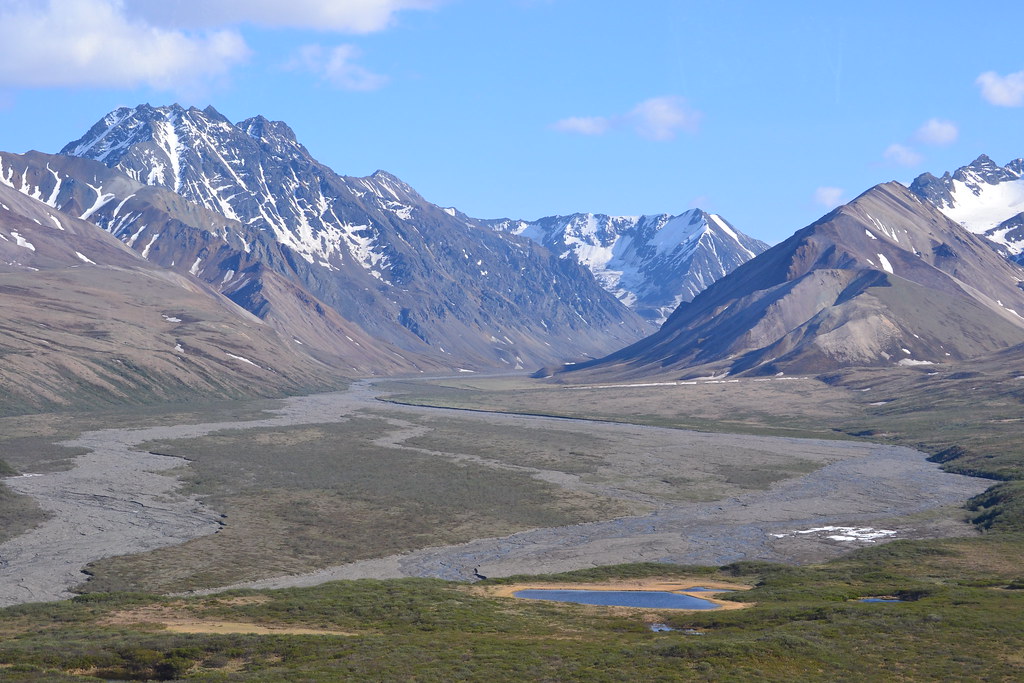
Photo: larrywkoester via Flickr (CC BY 2.0)
Travelers searching “Where Stay Near Denali” are usually choosing among three distinct bases: the park entrance corridor, the small town of Healy, and campgrounds along Denali Park Road. The right choice depends less on the view from a room than on how quickly you need to reach a transit bus, hiking trail, rafting departure, or early flightseeing check-in.
Denali National Park and Preserve covers roughly six million acres, but most first-time visits revolve around one narrow access corridor. Denali Park Road begins beside the Parks Highway at approximately Mile 237, then runs west toward the Alaska Range. This guide explains how the lodging zones connect to that road, which bases suit different itineraries, and where camping provides a substantially different experience.
Where to Stay Near Denali National Park Along the Access Corridor
Denali has no conventional gateway town immediately outside its boundary. Instead, accommodations follow the Parks Highway, Alaska Route 3. The densest cluster stands in Nenana Canyon just north of the park entrance, while Healy provides a quieter base about 11 road miles farther north. Cantwell, approximately 28 miles south of the entrance, works better for travelers approaching from Anchorage or exploring the park’s southern surroundings.
Where to Stay Near Denali: The Park Entrance and Nenana Canyon
The entrance corridor gives visitors the shortest transfer to the Denali Visitor Center area, Riley Creek, transit bus departures, and the Alaska Railroad depot. Many properties occupy steep ground above the Nenana River, close to restaurants and seasonal visitor services. This is the practical choice for a one or two-night visit, especially when a Park Road excursion begins early or an Alaska Railroad arrival leaves limited time for local transportation.
The tradeoff is concentration. Traffic, tour staging, and commercial activity make this the busiest lodging zone. Some rooms sit across the Parks Highway from services, and walking can involve grades, narrow roadside areas, or property shuttles. Travelers without a rental car should ask prospective lodging operators how transfers to the railroad depot, visitor center, and bus boarding locations work before booking.
Where to Stay Near Denali for Groceries, Extra Space, and Town Amenities
Healy is a year-round community rather than a seasonal visitor strip. Its cabins, motels, hostels, and vacation rentals often provide kitchens, laundry access, or enough space for families to spread out. Grocery shopping and fuel are generally easier to incorporate here, which matters because food choices become limited once travelers enter the Park Road corridor.
A vehicle makes Healy considerably more convenient. The drive to the park entrance is short by Alaska standards, but it adds time before an early excursion and can involve wildlife on the roadway, construction, or slow summer traffic. Healy also gives access to the Stampede Road area, although drivers should remain on appropriate public roads and avoid treating the remote backcountry as an informal driving route.
Cantwell and the quieter southern approach
Cantwell sits near the junction of the Parks and Denali highways. Its dispersed cabins, campgrounds, and roadside accommodations suit travelers who value quiet surroundings or plan to continue east on the mostly gravel Denali Highway. It is also useful when an itinerary includes hiking, fishing, or photography south of the national park entrance.
| Base | Approximate position | Best suited to | Main compromise |
|---|---|---|---|
| Entrance and Nenana Canyon | Within a few miles of Park Road | Short visits, rail passengers, early bus trips | Busy setting and seasonal crowds |
| Healy | About 11 road miles north | Families, longer stays, kitchens and groceries | A car is usually helpful |
| Cantwell | About 28 road miles south | Quiet cabins and Denali Highway access | Longer drive to park services |
Where to Stay Near Denali Based on Your Must-Do Experiences
Denali rises to 20,310 feet, but seeing North America’s highest summit depends heavily on cloud cover and location. The entrance area lies north of the Alaska Range foothills and does not provide the classic close summit view. Staying there primarily improves access to Park Road, taiga trails, ranger programs, and transportation deeper into the park.
Where to Stay Near Denali for Park Road excursions
Choose the entrance corridor when a bus journey is the central event of the trip. Denali Park Road extends 92 miles from the Parks Highway toward Kantishna, although landslide work, seasonal openings, and wildlife management can restrict how far vehicles and buses travel. Review the operating road limit, campground availability, transportation rules, and current fees on the official park site before reserving nonrefundable lodging.
Private vehicles normally have limited access beyond the developed eastern portion of the road during the main visitor season. Transit buses support hiking and wildlife watching farther west, where visitors may encounter grizzly bears, caribou, Dall sheep, moose, and wolves. Entrance lodging reduces the chance that a long highway commute will interfere with a reserved departure.
Allowing time for weather and wildlife
A multi-night stay gives the Alaska Range more than one opportunity to emerge from cloud. It also permits separate days for a bus excursion and the entrance-area trails. The Horseshoe Lake Trail descends through spruce forest to an oxbow lake and beaver habitat, while the Mount Healy Overlook Trail climbs steeply above the visitor area for broad views across the Nenana River valley.
Talkeetna as a southern Denali viewing base
Talkeetna lies roughly 150 road miles south of the park entrance, so it should not be used for daily park visits. It serves a different purpose: flightseeing toward Denali’s glaciers, views from the south side of the Alaska Range, and a logical overnight stop between Anchorage and the park. Travelers combining Talkeetna with the entrance should plan separate stays rather than treating the town as a substitute gateway.
Where to Stay Near Denali: Lodges, Cabins, and Independent Rentals
Property type changes the rhythm of a Denali visit. Large seasonal lodges simplify transportation and dining, while cabins and rentals provide privacy, cooking facilities, and quieter evenings. Room rates across the region respond sharply to the short summer season, so location and included transportation can matter more than the advertised nightly price.
Full-service lodge stays
Lodges near Nenana Canyon commonly organize transfers, excursions, and meals around structured itineraries. They work well for railroad passengers and visitors who prefer to avoid driving. Ask whether a quoted transfer reaches the national park’s actual bus boarding point or only a central property hub. That distinction can determine how much walking and waiting an early departure requires.
Where to Stay Near Denali for privacy and self-catering
Cabins and vacation rentals are most useful for stays of three nights or longer. A kitchen lets travelers prepare breakfast before excursions and pack food for long Park Road days. When comparing remote cabins, check the driving surface, distance from the Parks Highway, blackout curtains, heating, and potable water arrangements. Summer daylight lasts deep into the night, while August mornings can already feel cold.
- Families: prioritize separate sleeping areas, food storage, and a manageable highway drive.
- Rail travelers: verify station transfers before choosing an isolated cabin.
- Photographers: seek flexible check-in arrangements for late evening light and early starts.
- Travelers without cars: stay close to established transportation rather than relying on taxis.
Where to Stay Near Denali National Park: Park Road Campgrounds
Camping places visitors within Denali’s boreal forest and subarctic river valleys, reducing daily travel while providing quicker access to trails. Campgrounds become progressively more primitive in character farther along Park Road. Food storage is essential throughout the park because bears, foxes, ravens, and smaller animals quickly learn to investigate unsecured supplies.
Riley Creek for services and trail access
Riley Creek Campground lies near the park entrance and connects conveniently with visitor facilities and local transportation. It is the easiest in-park campground for first-time visitors, RV travelers, and anyone arriving without extensive backcountry experience. Nearby forest consists largely of white spruce, paper birch, willow, and open patches shaped by permafrost, drainage, and wildfire history.
Savage River and the transition into open country
Savage River Campground, around Mile 13 of Park Road, places campers near the boundary between thicker taiga and more open tundra scenery. The Savage River Loop follows the water for roughly two miles, while steeper informal and maintained routes climb toward exposed ridges where wind and rapidly changing weather become more influential.
At the river, rounded gravel shifts underfoot and cold air pours through the narrow valley even when the entrance feels warm. Willow leaves flutter close to the water, ground squirrels whistle from the slopes, and the road soon disappears behind low ridges. Climbing above the drainage opens a wider view across braided channels and rust-colored tundra, with little shelter from wind or rain.
Teklanika and deeper-road camping
Teklanika River Campground, near Mile 29, offers a more immersive Park Road stay when road conditions and seasonal operations permit access. Vehicle movement has traditionally been restricted after arrival, so campers must plan food, fuel, bus transportation, and the length of their stay carefully. This option rewards travelers comfortable with fewer conveniences and a schedule shaped by park transportation.
Plan for the Practical Limits of Park Camping
Campground names alone do not reveal how differently each stay functions. Riley Creek supports flexible arrival and departure plans near the highway, while a deeper Park Road site requires advance coordination with buses and food supplies. RV dimensions also matter because forested loops, narrow roads, and individual sites may not accommodate every combination of motorhome, trailer, and tow vehicle.
Food storage and cooking in bear country
All food, trash, scented toiletries, cooking equipment, and pet food should remain secured whenever they are outside immediate control. A hard-sided vehicle provides straightforward storage at road-accessible campsites. Tent campers should use designated storage infrastructure where provided and keep a clean cooking area. Never store food in a tent, and avoid sleeping in clothing worn while frying fish or preparing strongly scented meals.
Build a weather-ready sleep system
Summer nights can fall near freezing, particularly in August and at exposed sites farther west. Bring an insulated sleeping pad as well as a temperature-appropriate sleeping bag, since cold ground drains heat faster than cool air. A waterproof tent with a full rainfly performs better than a mesh-heavy shelter during sustained rain and wind. Useful campsite equipment includes:
- A sleeping bag rated below the expected overnight low
- A waterproof stuff sack for dry sleeping layers
- Head nets and insect repellent for early summer
- A compact stove that remains stable on gravel
- Extra meals in case weather or transportation delays the schedule
Choose Dates by Conditions, Not Daylight Alone
Denali’s primary visitor season is compressed into late spring and summer. May brings long daylight, lingering snow on higher slopes, and relatively sparse vegetation. June produces fresh green tundra and strong river flow, but mosquitoes can be intense around wetlands and sheltered forest. July is generally the warmest period, though rain and low cloud can obscure the Alaska Range for several consecutive days.
Late summer changes the landscape quickly
By mid-August, nights lengthen and tundra plants begin turning red, orange, and gold. Mosquito pressure often declines, while temperatures become less forgiving. Snow can dust ridges during any month, but late August visitors have a higher chance of waking to frost or fresh snow at elevation. Berry-producing shrubs also attract bears, making careful food handling and generous wildlife distance especially important.
| Period | Typical character | Lodging implication |
|---|---|---|
| Late May | Cool nights, patchy snow, very long daylight | Heating and flexible cancellation terms are valuable |
| June to July | Green tundra, insects, busiest travel period | Reserve entrance lodging and larger campsites early |
| August | Autumn color, darker nights, increasing frost | Pack warmer sleep gear and allow weather flexibility |
| September | Snow possible, reduced seasonal services | Verify that transportation and dining fit the itinerary |
Spring road access advances in stages
Early-season travelers should understand that highway access, campground access, and the opening of farther Park Road segments are separate developments. Snow removal and surface conditions determine how quickly travel progresses west. Our report on the seasonal opening of Denali Park Road to Teklanika illustrates how one newly accessible segment can expand recreation without signaling full summer operations.
Build the Stay Around Arrival and Departure Times
The question “Where Stay Near Denali” becomes easier once the first and last half-days are mapped. Travelers arriving by train should avoid scheduling a major Park Road trip on arrival day. Rail timing, baggage collection, property transfers, and check-in can consume the usable afternoon. An entrance-area room keeps that transition simple and leaves the following morning available for a reserved excursion.
A practical three-night pattern
Use the first night near the entrance for orientation and a short trail. Devote the second day to the longest Park Road experience available during the visit. Keep the third day flexible for Mount Healy Overlook, Horseshoe Lake, Savage River, rafting, or a rescheduled flightseeing trip. That structure provides a weather buffer without requiring daily packing and property changes.
Split stays only when they solve a transport problem
Moving from an entrance lodge to Healy rarely saves enough money or driving to justify lost time on a short visit. A split stay makes more sense when combining a service-oriented arrival night with several nights in a remote cabin, or when moving from Riley Creek to a deeper campground. Pack one small overnight bag so the remaining luggage can stay organized during the transition.
Where to Stay Near Denali: Choose the Best Town, Lodge, or Campground
Entrance lodging protects early departures and works best for rail passengers, first-time visitors, and short itineraries. Healy supports longer stays that benefit from groceries, kitchens, and additional living space. Cantwell fits a southbound or Denali Highway itinerary, while Talkeetna belongs in a separate southern Alaska Range segment rather than a daily national park plan.
Campers should choose by access requirements as much as scenery. Riley Creek preserves flexibility, Savage River places visitors near the taiga and tundra transition, and Teklanika demands careful transportation and supply planning. Reserve the hardest component first, usually the campsite, bus journey, or vehicle-sized accommodation, then build the remaining nights around it. That sequence produces a Denali stay with fewer transfers, realistic drive times, and enough flexibility for mountain weather.
Want to keep exploring? Browse all our Denali guides and articles for more trip-planning tips and ideas.
Gear & Essentials
Tell us about your trip and we will add what else you will want:
The basics
Worth having in the car whatever the park.
For this trip
Traveling with kids
Bringing a pet
RVing
Backcountry
Winter conditions
On the water
Photography
Accessibility
As an Amazon Associate we earn from qualifying purchases, at no extra cost to you.