Sequoia National Park Camping Guide: Campgrounds, Reservations and Tips
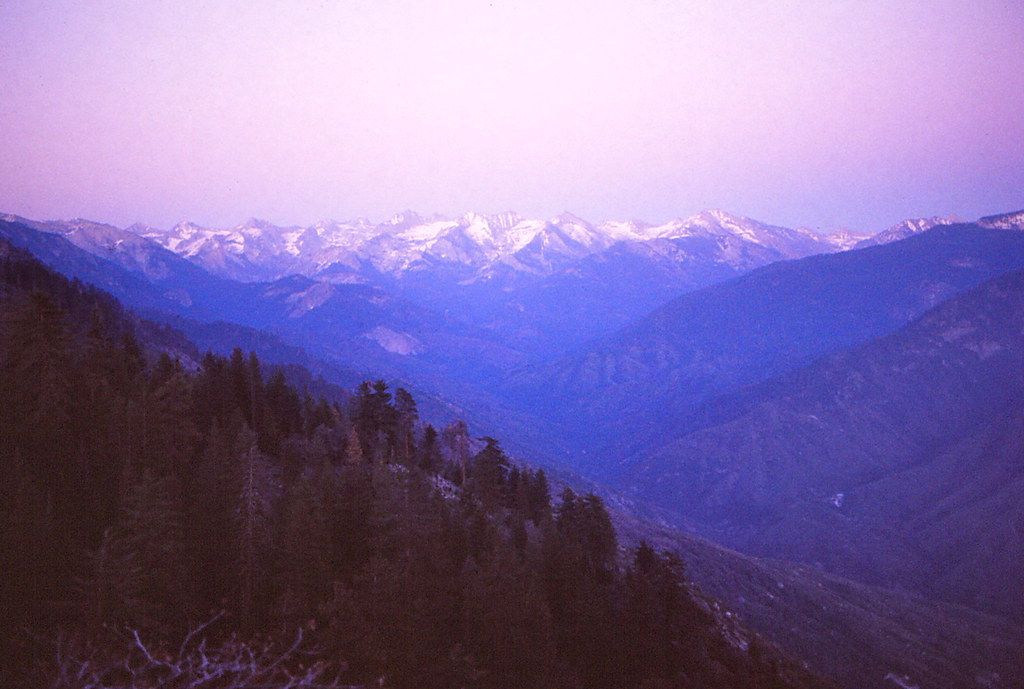
Photo: Ladycliff via Flickr (CC BY 2.0)
Sequoia National Park camping spans an elevation range of roughly 5,000 feet, so choosing a campground can change the temperature, vegetation, road difficulty, and wildlife precautions more than changing your travel dates. A warm foothills site beside the Middle Fork of the Kaweah River feels entirely different from a lodgepole pine site near the Giant Forest, even though both lie within the same park.
Most visitors seeking the famous sequoia groves should concentrate on Lodgepole and the surrounding high country. Potwisha and Buckeye Flat provide lower-elevation access to river canyons and spring wildflowers, while Atwell Mill and Cold Springs serve the remote Mineral King valley. None of these locations provides the resort-style services found at a commercial RV park. Expect food-storage rules, limited cellular reception, mountain roads, and substantial temperature swings.
Understanding the Sequoia National Park Camping Regions
The park’s campgrounds fall into three practical zones: the Kaweah foothills, the Lodgepole and Giant Forest high country, and Mineral King. Elevation should guide the decision. Foothills campsites can remain comfortable when snow covers the sequoia groves, but summer afternoons there regularly become hot. High-country campsites offer cooler nights and direct access to giant sequoias, while Mineral King requires a slow drive on a narrow, winding road.
Foothills camping along the Kaweah River
Potwisha Campground sits at approximately 2,100 feet near the Middle Fork of the Kaweah River. Oaks, chaparral, exposed granite, and dry slopes define the setting. It works well for cool-season visits and for travelers arriving late through the Ash Mountain entrance, but it is about 45 minutes below Giant Forest under favorable road conditions. Heat, rattlesnakes, poison oak, and limited shade deserve attention from late spring into autumn.
Buckeye Flat lies farther up the Middle Fork corridor at roughly 2,800 feet. Its riverside position and smaller-scale atmosphere appeal to tent campers, though the approach road and compact sites make it a poor choice for large recreational vehicles. The nearby Paradise Creek Trail follows shaded riparian habitat before entering steeper foothill terrain. River currents become dangerous during snowmelt, even where the water appears calm near shore.
High-country access near Giant Forest
Lodgepole Campground stands around 6,700 feet beside the Marble Fork of the Kaweah River. It is the most convenient camping base for the General Sherman Tree, Congress Trail, Tokopah Falls, Moro Rock, and Crescent Meadow. Giant Forest begins only a few miles away, while the 3.4-mile round-trip Tokopah Falls Trail starts near the campground and climbs gradually through a glacier-carved granite canyon.
At Lodgepole, pine needles soften the ground between granite boulders, and the river can fill the campground with a steady roar during snowmelt. Morning air stays cold in the shaded loops, even after sunlight reaches the cliffs above Tokopah Valley. Walking toward the trailhead, campers move beneath lodgepole pines and white fir before the canyon opens to pale granite walls, a shift in scale that is difficult to appreciate from the road.
Sequoia National Park Camping Options Compared
Campground names alone do not reveal the most important differences. Road geometry, vehicle length, shade, and proximity to trailheads often matter more than the number of campsites. Developed park campgrounds generally provide standard sites rather than hookups. Campers should arrive prepared to conserve water, manage batteries, and store every scented item inside the provided food-storage container when one is assigned to the site.
Campground character, access, and best uses
| Campground | Approximate elevation | Setting and access | Best suited to |
|---|---|---|---|
| Potwisha | 2,100 feet | Oak woodland and chaparral near the Middle Fork | Cool-season trips, smaller RVs, late arrivals |
| Buckeye Flat | 2,800 feet | Compact riverside campground on a restricted approach road | Tents, foothills hiking, quieter stays |
| Lodgepole | 6,700 feet | Conifer forest near Giant Forest and Tokopah Valley | First visits, families, major sequoia sights |
| Dorst Creek | 6,800 feet | Forested high country north of Lodgepole | Campers seeking access to both Sequoia and Grant Grove |
| Atwell Mill | 6,650 feet | Sequoia grove setting along Mineral King Road | Tents, solitude, historic scenery |
| Cold Springs | 7,500 feet | Remote upper Mineral King valley | Hikers beginning long alpine day trips |
Sequoia National Park Camping for RVs and trailers
Park campgrounds do not offer electric, water, or sewer hookups. Generator use is restricted to designated periods where permitted, and individual site length limits vary. Measure the combined length of the tow vehicle and trailer rather than relying on the trailer’s advertised box length. Tree trunks, boulders, sloping parking pads, and tight loop roads can make a nominally adequate site difficult to use.
The Generals Highway between the foothills and Giant Forest contains sharp switchbacks and narrow sections. Vehicles longer than 22 feet are not recommended on the steep section between Hospital Rock and Giant Forest. Larger rigs generally approach the high country through the Highway 180 entrance near Grant Grove, then travel south on the Generals Highway. Mineral King Road is unsuitable for large RVs and trailers because it is narrow, partly unpaved, and edged by steep drop-offs.
How Sequoia National Park Camping Reservations Work
Campground inventory is managed through the federal reservation system, and high-demand sites can disappear quickly when dates are released. Lodgepole attracts the broadest demand because it combines sequoia access, trails, and central geography. Holiday weekends and summer Fridays are particularly competitive. Mineral King has fewer suitable sites and a shorter practical camping season, so its remoteness does not guarantee last-minute availability.
Booking windows and release dates
Reservation lead times and the treatment of same-day availability can change between seasons and campgrounds. Check each campground’s listing rather than assuming one park-wide window. The listing shows the precise release date, site dimensions, occupancy limits, and whether a loop is closed or unavailable. Current fees, reservation rules, seasonal openings, fire restrictions, and service availability should be confirmed on the official park site and federal booking platform before travel.
A reservation strategy that avoids common mistakes
- Choose an elevation first. Match expected nighttime temperatures and snow conditions to the foothills, high country, or Mineral King.
- Check the vehicle limits. Filter for the full vehicle combination and inspect the parking-pad description for every candidate site.
- Compare the site map with the terrain. River proximity can mean more noise and colder air, while exposed outer loops may receive stronger afternoon sun.
- Prepare two date ranges. Midweek arrivals provide more flexibility than Friday or Saturday check-ins.
- Save the confirmation offline. Cellular service is unreliable along the Generals Highway and largely absent in Mineral King.
Choosing a Season for Sequoia National Park Camping
Elevation creates overlapping camping seasons rather than one dependable park-wide season. March can bring warm afternoons at Potwisha while several feet of snow remain around Lodgepole. In October, foothills nights may be mild while high-country water systems begin shutting down or an early storm closes roads. Campers moving between zones should pack for both dry heat and freezing temperatures.
Spring and early summer conditions
Spring favors the foothills, where redbud, monkeyflower, and other seasonal blooms color the Kaweah drainage. Snowmelt makes the rivers forceful and extremely cold. High-country campgrounds may retain snowbanks, muddy tent pads, and icy overnight conditions after roads reopen. Mosquito activity usually increases around wet meadows and standing water as temperatures rise.
Summer heat, storms, and autumn cold
Summer brings the most reliable access to Lodgepole and Mineral King, but foothills temperatures can become oppressive by midday. Afternoon thunderstorms occasionally develop over the Sierra crest, producing lightning, brief heavy rain, and rapid temperature drops. By September, nights at 6,000 to 7,500 feet frequently approach freezing. Autumn offers quieter trails and clearer air between storms, though campers need insulated sleeping systems and enough flexibility to respond to early snow.
Build a Sequoia National Park Camping Kit for Sierra Conditions
A Sequoia National Park camping kit must handle cold high-country nights, intense foothills heat, granite dust, and wildlife interested in food or vehicle wiring. Choose a sleeping bag by its comfort rating rather than its lower survival limit. For Lodgepole and Mineral King, a 20-degree Fahrenheit bag provides useful margin during shoulder seasons. An insulated sleeping pad with an R-value around 4 reduces heat loss into cold ground, while a freestanding tent handles the hard, shallow soil found around granite.
Match equipment to the campground elevation
| Condition | Useful equipment | Why it matters |
|---|---|---|
| Cold nights above 6,000 feet | Insulated pad, warm hat, layered sleepwear | Temperatures can fall sharply after sunset, including during summer |
| Hot foothills afternoons | Reflective shade, ventilated tent, extra water capacity | Oak woodland sites often receive direct sun and retain heat |
| Rocky or compacted pads | Freestanding tent, footprint, sturdy stakes | Standard stakes may bend or fail to penetrate shallow soil |
| Snowmelt and summer insects | Head net, repellent, screened shelter | Mosquitoes concentrate near meadows, rivers, and standing water |
Store food for bears and smaller animals
American black bears live throughout the park, including animals with cinnamon or brown coats. Place food, toiletries, trash, cookware, coolers, and scented medication in the campsite food-storage box whenever they are unattended. A locked vehicle should never replace an available bear box. Keep the box organized so its door closes completely, and avoid leaving food on the table while walking to a restroom or trailhead.
Prepare vehicles for Mineral King marmots
Yellow-bellied marmots around Mineral King have a history of entering engine compartments and damaging hoses or wiring, particularly during spring and early summer. Inspect beneath the vehicle before departure and check the engine bay for nesting material. The park publishes season-specific vehicle protection guidance. Campers should follow those methods rather than improvising with loose plastic that can become litter or contact hot mechanical components.
Plan Days That Begin at the Campsite
Camping inside the park saves substantial mountain driving, but each base favors different activities. From Lodgepole, campers can start the Tokopah Falls Trail early and cover its 3.4-mile round trip before exposed portions of the canyon become hot. Giant Forest lies nearby, where the Congress Trail extends beyond the General Sherman Tree into quieter clusters such as the Senate and House groups.
Routes from the high-country campgrounds
Moro Rock provides a short, steep climb on more than 350 stone and concrete steps, ending at approximately 6,725 feet with views across the Great Western Divide and Kaweah canyon. Crescent Meadow offers gentler walking through wet meadow habitat and sequoia forest. Campers based at Dorst Creek can also travel north toward Grant Grove, making that campground practical for a trip divided between Sequoia and Kings Canyon.
Mineral King hiking requires an early start
Cold Springs places experienced hikers close to demanding alpine routes. The Eagle Lake Trail covers roughly 6.8 miles round trip and gains about 2,200 feet, climbing through forest and exposed granite to a lake beneath the Great Western Divide. Thin air, limited shade, and afternoon lightning add difficulty. Carry a paper topographic map, start near sunrise, and turn around when clouds begin building over the crest.
A practical camp routine
- Fill water containers and prepare trail food the evening before a long hike.
- Move scented breakfast supplies into the food locker before leaving camp.
- Carry traction when snow or overnight ice remains on shaded trails.
- Return before dark enough to identify the campground loop and site number.
- Check shoes, clothing, and packs for ticks after hiking in foothills grass or chaparral.
Make Your Sequoia National Park Camping Plan Work
The strongest itinerary begins with elevation, vehicle size, and the places you intend to explore. Choose Potwisha for cool-season foothills access, Lodgepole for Giant Forest and Tokopah Valley, or Mineral King for strenuous alpine hiking. Then verify that the parking pad fits the complete vehicle combination and that every camper has sleep equipment suitable for temperatures well below the daytime forecast.
Complete the plan with disciplined food storage, offline reservation records, extra water, and enough schedule flexibility for smoke, thunderstorms, snow, or road delays. Sequoia National Park camping rewards careful preparation because distances that look short on a map can involve steep, winding roads. A well-matched campground turns those roads into occasional transfers rather than the central feature of every day.
Want to keep exploring? Browse all our Sequoia guides and articles for more trip-planning tips and ideas.
Gear & Essentials
Tell us about your trip and we will add what else you will want:
The basics
Worth having in the car whatever the park.
For this trip
- Camp lantern Etekcity Camping Lanterns 4-Pack LED
- Camping hammock Wise Owl Outfitters Camping Hammock
- Camping pillow Hikenture Inflatable Camping Pillow
- Lighter & matches BIC Maxi Pocket Lighters 10-Pack
- Shelter tarp Amazon Basics Waterproof Multipurpose Camping Tarp
- Tent Camping Tent 2-4 Person Easy Setup
Traveling with kids
Bringing a pet
RVing
Backcountry
Winter conditions
On the water
Photography
Accessibility
As an Amazon Associate we earn from qualifying purchases, at no extra cost to you.