Joshua Tree National Park Camping Guide: Campgrounds, Reservations and Tips
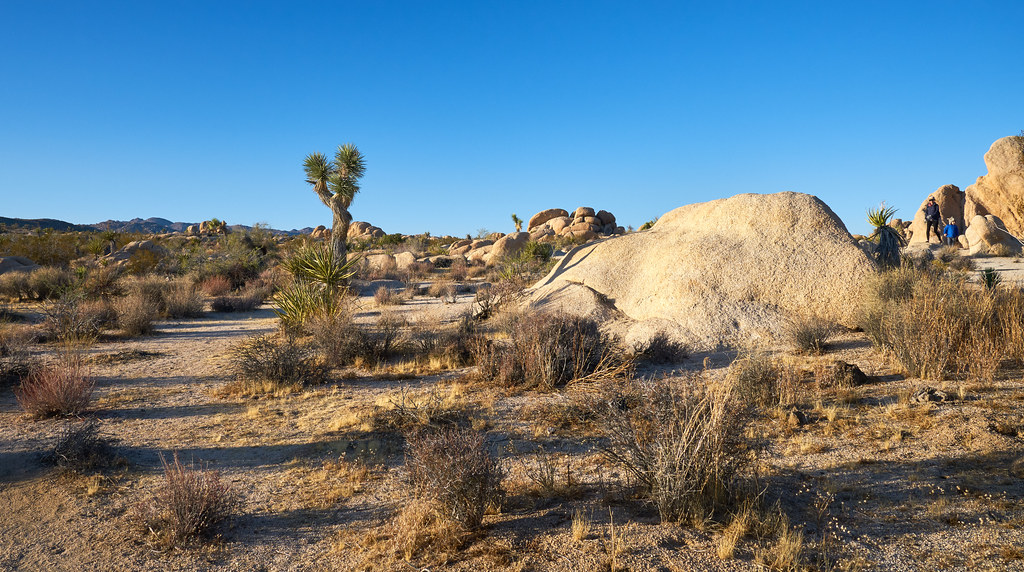
Photo: szeke via Flickr (CC BY-SA 2.0)
Joshua Tree National Park contains nine developed camping areas spread across two deserts, with elevations ranging from roughly 3,000 feet at Cottonwood to about 4,400 feet at Jumbo Rocks. Those differences affect nighttime temperatures, vegetation, wind exposure, and how long it takes to reach popular places such as Keys View, Barker Dam, and Cholla Cactus Garden.
Our Joshua Tree National Park camping guide explains how the campgrounds differ, which areas accept reservations, what RV and tent campers should expect, and how to choose a base that fits a specific itinerary. None of the park campgrounds provide electrical, water, or sewer hookups, and most sites have little natural shade, so choosing well involves more than finding an open campsite.
Understanding Joshua Tree National Park Camping Areas
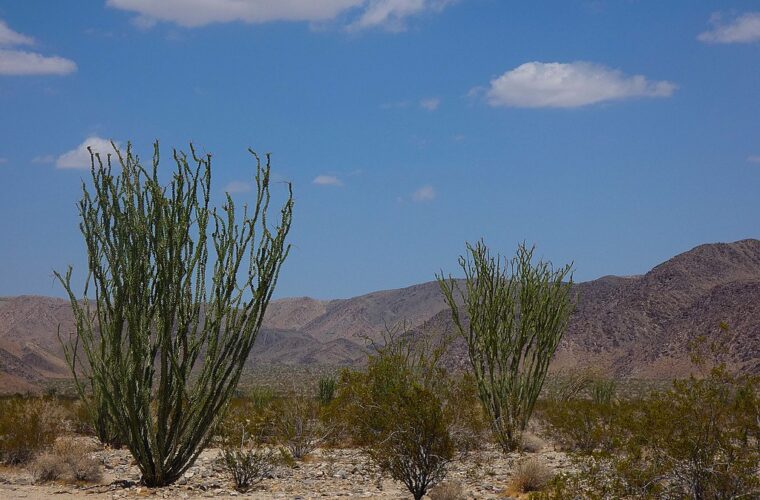
The park covers nearly 800,000 acres where the higher Mojave Desert meets the lower Colorado Desert. Black Rock, Hidden Valley, Ryan, Jumbo Rocks, Belle, White Tank, and Indian Cove occupy the Joshua tree and granite country of the Mojave. Cottonwood sits farther south among creosote, ocotillo, and fan palm habitat, while Sheep Pass serves organized groups in the central high desert.
Central Campgrounds Near Granite Formations
Hidden Valley, Ryan, Jumbo Rocks, Belle, and White Tank provide the easiest access to the park’s signature monzogranite formations. Hidden Valley is close to the 1 mile Hidden Valley Nature Trail and Barker Dam Road. Ryan places campers near Ryan Mountain, whose 3 mile round trip trail climbs about 1,050 feet. Jumbo Rocks provides a central base for Skull Rock and drives east toward the Cholla Cactus Garden.
Campgrounds Reached from the Park’s Edges
Black Rock is accessed through Yucca Valley and does not connect to the main park road by vehicle. Indian Cove also sits at the end of a separate access road north of the main scenic drive. Cottonwood lies near the park’s southern entrance, about 35 road miles from the central rock formations. These locations work well for late arrivals or focused itineraries, but they add driving when the day’s objective lies elsewhere.
Joshua Tree National Park Campgrounds Compared
Every developed campground has a distinct setting and access pattern. Water availability is extremely limited, and campers should arrive prepared to supply their full drinking, cooking, and washing needs. The table summarizes the durable differences that matter most when choosing a base.
| Campground | Approximate elevation | Setting and character | Best suited to |
|---|---|---|---|
| Black Rock | 4,000 feet | Dense Joshua tree woodland near Yucca Valley | Longer stays, larger camping equipment, Warren Peak hikes |
| Cottonwood | 3,000 feet | Colorado Desert vegetation near Cottonwood Spring | Southern approaches, birding, Mastodon Peak access |
| Indian Cove | 3,200 feet | Rocky basin beneath steep granite walls | Climbers, families, northern access |
| Hidden Valley | 4,200 feet | Compact sites among large boulders and Joshua trees | Climbing, short walks, central sightseeing |
| Ryan | 4,300 feet | Open high desert near Ryan Mountain | Hikers, horse users, quieter central access |
| Jumbo Rocks | 4,400 feet | Large campground threaded through granite outcrops | First visits, tents, central park exploration |
| Belle | 3,800 feet | Small campground with rounded granite formations | Simple tent setups and eastern park access |
| White Tank | 3,800 feet | Small sites near Arch Rock and sculpted boulders | Tents, vans, stargazing |
| Sheep Pass | 4,500 feet | Open group campground among Joshua trees and granite | Reserved group camping |
How the Granite Campgrounds Feel
At White Tank, coarse sand shifts underfoot while pale granite walls block the horizon in several directions. The rock releases stored heat after sunset, but cold air settles quickly once the sun disappears. Wind moving through pinyon and Joshua tree leaves creates a dry rattle, and voices carry between boulders farther than expected. Sites can feel enclosed from ground level even when neighboring tents remain only a short distance away.
Shade, Privacy, and Site Dimensions
Joshua trees cast narrow, moving shadows rather than dependable midday shade. Granite may shelter a tent from one wind direction, although gaps between formations can funnel gusts. Hidden Valley, White Tank, and parts of Jumbo Rocks contain short or irregular parking areas better suited to tents, vans, and compact trailers. Black Rock and Cottonwood generally provide more forgiving road geometry, but individual length limits still determine whether a motorhome or trailer will fit.
Joshua Tree National Park Reservations, First-Come Sites, and Booking Tips
Joshua Tree National Park uses a mixture of reservable campgrounds and sites allocated without advance booking. Black Rock, Cottonwood, Indian Cove, Jumbo Rocks, and Ryan have traditionally offered advance reservations during the busier part of the year. Hidden Valley, Belle, and White Tank have commonly operated on a first come basis. Sheep Pass consists of group sites rather than standard individual campsites.
Using the Rolling Reservation Window
Reservable sites are generally released through Recreation.gov on a rolling window several months before the arrival date, commonly six months. Spring weekends, holiday periods, and October through April dates can disappear soon after release. Reservation seasons, fees, group rules, generator limits, water availability, and campground closures are operational details, so confirm current information on the official park site before booking.
A Practical Booking Sequence
- Choose the part of the park that matches the planned hikes and climbing areas.
- Measure the combined length of the tow vehicle and trailer rather than using trailer length alone.
- Check campsite photographs and driveway dimensions before paying.
- Search Sunday through Thursday if Friday and Saturday are unavailable.
- Recheck for cancellations close to the trip, particularly several days before arrival.
Arriving Without a Reservation
First come camping requires an early start during the cooler season. Departing campers often leave in the morning, while Friday afternoon arrivals may find all three nonreservable campgrounds full. Have Belle, White Tank, and Hidden Valley mapped before entering because mobile service is unreliable. If the park is full, legal camping on surrounding public land may be available, but boundaries, road conditions, and local restrictions require careful verification.
Choosing a Joshua Tree National Park Campsite for Tents, Vans, or RVs
No campground inside Joshua Tree National Park has utility hookups. Campers relying on batteries, solar panels, onboard water, or generators need to calculate capacity before arrival. Desert wind can overturn unsecured shelters, while abrasive granite and compacted ground make weak stakes ineffective. Site selection should account for equipment size, nighttime temperature, and the amount of time spent driving to trailheads.
Tent and Small Vehicle Camping
White Tank, Hidden Valley, Belle, and the tighter loops at Jumbo Rocks favor compact setups. Freestanding tents handle rocky or shallow soil better than models requiring numerous stakes. Bring sturdy stakes designed for hard ground, extra cord, and a mallet. Place tents away from washes and low channels, which can carry fast runoff after distant thunderstorms even when the campsite itself receives little rain.
Trailers, Motorhomes, and Longer Vans
Black Rock and Cottonwood are often the easiest starting points for larger vehicles because their layouts are less constrained by close granite walls. Indian Cove also has some accommodating sites, although individual pads vary. Drivers should expect narrow pavement, sharp loop turns, overhanging vegetation, and limited turnaround space. Fill freshwater tanks and empty waste tanks before entering the park rather than assuming those services will be available near the assigned site.
Desert Gear That Earns Its Space
Water planning begins before the vehicle enters the park. A practical baseline is one gallon per person per day, with additional capacity for strenuous hiking, cooking, and emergency delays. Store water in several containers so one leak does not compromise the entire supply. Electrolyte mix helps during warm hikes, but it does not replace adequate water. Keep a separate reserve in the vehicle and avoid leaving clear plastic containers in direct sun, where heat accelerates deterioration and makes the water unpleasant to drink.
Shelter, Sleep, and Wind Protection
High desert temperature swings demand a layered sleep system. A warm afternoon can become a near freezing night at the higher campgrounds, particularly from late fall through early spring. Use a sleeping pad with meaningful insulation, since cold granite and compacted soil draw heat from the body. Freestanding tents, low profile canopies, metal stakes, and multiple guy lines perform better in gusty conditions. Lower or dismantle shade shelters before leaving camp because wind can strengthen quickly while you are away.
A Joshua Tree Campsite Checklist
- One gallon or more of water per person for each day
- Insulated sleeping pad and seasonally appropriate sleeping bag
- Sun hat, sunglasses, sunscreen, and lightweight long sleeves
- Headlamp with spare batteries for dark campground roads
- Hard ground stakes, mallet, cord, and repair tape
- Printed map or downloaded offline map
- Sealed containers for food and rubbish
Food, Heat, and Campsite Cleanliness
Ravens, ground squirrels, coyotes, and rodents quickly investigate exposed food, scraps, and rubbish. Keep supplies in rigid containers or a closed vehicle, and never leave bags unattended on a picnic table. Campers should bring a stove rather than depend on a fire for cooking. Collecting vegetation or fallen wood damages scarce desert habitat, and imported firewood can introduce pests. A lidded cooking pot also saves fuel because desert wind strips heat from uncovered cookware.
Exploring Joshua Tree National Park Directly from Camp
Choosing a campground with a useful trail connection can eliminate parking searches and shorten the day’s driving. Black Rock has access to a network leading into the Little San Bernardino Mountains, while Cottonwood connects hikers with Cottonwood Spring and the Mastodon Peak area. Central campgrounds place campers closer to granite scrambling, climbing routes, and short nature trails. Carry water even on brief walks because dry air can conceal sweat loss until fatigue or headache develops.
Short Walks for Arrival and Departure Days
White Tank provides convenient access to the roughly 1.2 mile Arch Rock and Heart Rock route. Skull Rock sits beside Park Boulevard near Jumbo Rocks, with a 1.7 mile nature trail extending through nearby washes and boulders. Cottonwood Spring is a short walk from its parking area and preserves fan palms associated with historic water use. At Indian Cove, the approximately 0.6 mile nature trail introduces the plants and geology of the rocky basin without requiring a long drive.
Longer Objectives Near Camp
From Black Rock, the Warren Peak route covers roughly 6 miles round trip and climbs to a 5,103 foot summit overlooking the western park and surrounding desert ranges. Ryan Campground offers a convenient base for the steep Ryan Mountain Trail, best started early to avoid sun exposure. Climbers staying at Hidden Valley can reach numerous established formations quickly, but route difficulty, anchor requirements, and descents vary considerably. Granite scrambling also demands caution because rough rock can cause serious abrasions during a short fall.
Matching the Season to Your Camping Style
October through April brings the most comfortable daytime conditions for hiking and climbing, along with the strongest demand for campsites. Winter nights at Jumbo Rocks, Ryan, and Hidden Valley can fall below freezing, and occasional snow or ice may affect higher roads and trails. Summer brings extreme heat, especially around Cottonwood and the lower Colorado Desert. Hiking at midday during that period can become dangerous well before visitors recognize the onset of heat illness.
| Period | Main advantage | Primary challenge | Best planning approach |
|---|---|---|---|
| October to November | Mild hiking weather | Busy weekends and strong winds | Reserve early and secure shelters |
| December to February | Cool trails and long nights | Freezing temperatures at higher sites | Bring an insulated sleep system |
| March to April | Comfortable mornings and possible blooms | Heavy visitation and variable heat | Start hikes early and carry extra water |
| May to September | Greater campsite availability | Extreme heat and limited safe hiking hours | Plan brief dawn activities and avoid exposed midday travel |
Wind, Rain, and Flash Flood Awareness
Spring wind can fill tents with fine sand, buffet tall vehicles, and make outdoor cooking difficult. Summer monsoon storms create a different risk: rainfall miles away can send water through washes that appeared dry at arrival. Never place sleeping equipment in a drainage channel or cross flowing water in a vehicle. Lightning also makes exposed ridges, Joshua trees, and isolated boulders poor shelter. Return to a hard topped vehicle when thunder approaches.
Dark Skies and Quiet Hours
Moon phase affects the nighttime experience as much as the season. A moonless night reveals more of the Milky Way, while a bright moon illuminates granite formations and reduces the need for a headlamp around camp. Use a red light setting to preserve night vision and direct all lamps toward the ground. Cold air often settles rapidly after sunset, so set out warm clothing before darkness rather than searching through storage after temperatures fall.
Build the Trip Around the Campsite
A successful Joshua Tree National Park camping trip starts with geography. Select central granite campgrounds for climbing and classic rock formations, Black Rock for western trails, Indian Cove for its sheltered basin, or Cottonwood for the southern desert and Mastodon Peak. Match the campsite dimensions to the entire vehicle combination, arrive with all necessary water, and prepare for greater temperature swings than nearby low desert forecasts may suggest.
Reservations reward early planning, while first come camping requires flexible timing and backup options outside the park. Once the site is secured, organize each day around nearby trailheads, cooler hiking hours, and the available daylight. A compact shelter, insulated sleep system, reliable water reserve, and wind ready camp setup address the conditions most likely to affect comfort and safety. Those choices leave more time for the park’s granite corridors, Joshua tree woodlands, and clear desert nights.
Want to keep exploring? Browse all our Joshua Tree guides and articles for more trip-planning tips and ideas.
Gear & Essentials
Tell us about your trip and we will add what else you will want:
The basics
Worth having in the car whatever the park.
For this trip
- Camp lantern Etekcity Camping Lanterns 4-Pack LED
- Camping hammock Wise Owl Outfitters Camping Hammock
- Camping pillow Hikenture Inflatable Camping Pillow
- Lighter & matches BIC Maxi Pocket Lighters 10-Pack
- Shelter tarp Amazon Basics Waterproof Multipurpose Camping Tarp
- Tent Camping Tent 2-4 Person Easy Setup
Traveling with kids
Bringing a pet
RVing
Backcountry
Winter conditions
On the water
Photography
Accessibility
As an Amazon Associate we earn from qualifying purchases, at no extra cost to you.