Where to Stay Near Joshua Tree National Park: Lodges, Campgrounds and Towns
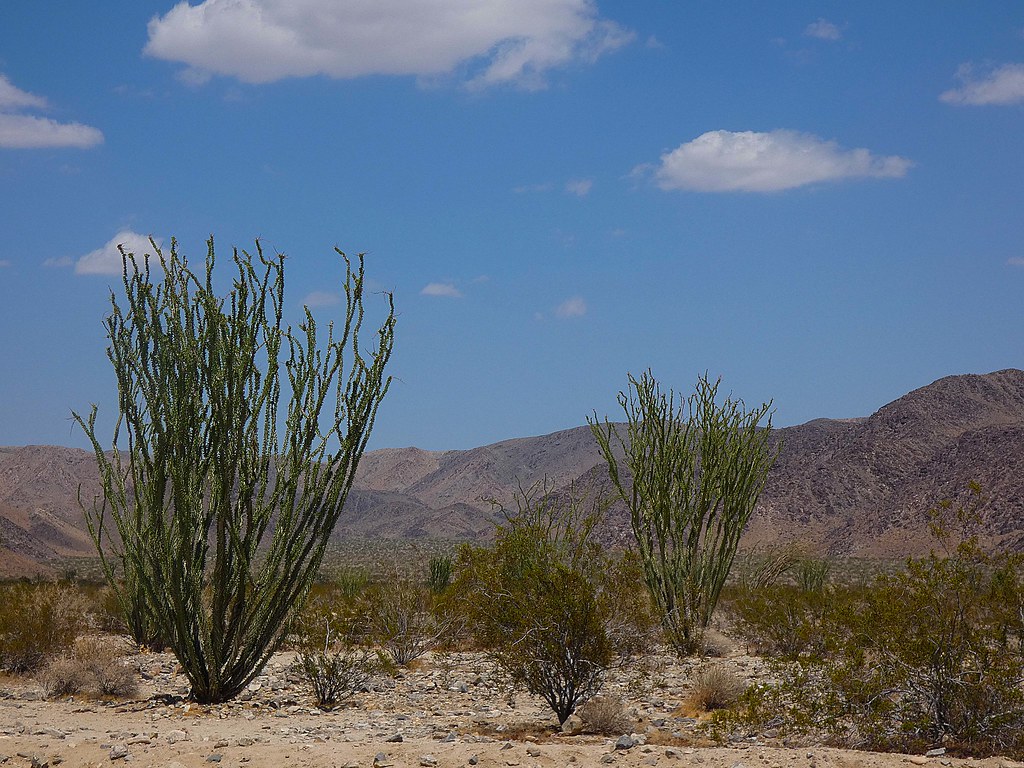
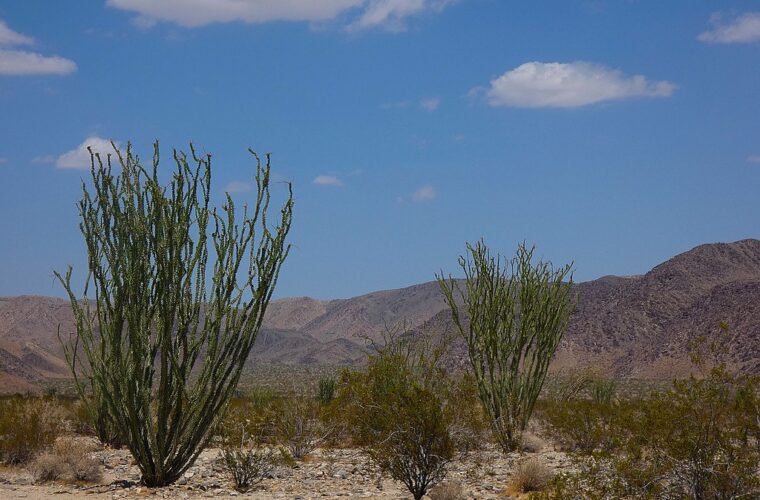
Photo: concrete&fells via Flickr (CC BY 2.0)
Where Stay Near Joshua Tree depends less on finding the closest bed and more on choosing the right park entrance. Joshua Tree National Park has no hotel, lodge, restaurant, or fuel station within its boundaries. Its three principal entrances connect to different towns, and driving from one side of the park to another can take well over an hour before adding trail time. The park covers nearly 800,000 acres where the Mojave and Colorado deserts meet. Most of its famous Joshua tree forests and granite formations occupy the higher Mojave Desert in the northwestern half, while the lower Colorado Desert stretches toward
The park covers nearly 800,000 acres where the Mojave and Colorado deserts meet. Most famous Joshua tree forests and granite formations occupy the higher Mojave Desert in the northwestern half. The lower Colorado Desert stretches toward Interstate 10, with ocotillo, cholla, and broad bajadas replacing the dense Joshua trees. Your lodging base determines which of these landscapes you reach at sunrise, how far you drive after dark, and whether meals and groceries are convenient.
Where to Stay Near Joshua Tree National Park: Choose an Entrance First
West Entrance for the classic Joshua tree landscape
West Entrance, reached through Joshua Tree village, provides the most direct approach to Hidden Valley, Barker Dam, Keys View, and the park’s signature granite formations. From the entrance station, Hidden Valley is roughly 10 miles into the park. This corridor suits first visits because several major sights are clustered along Park Boulevard, including Cap Rock, Ryan Mountain, and the turnoff for Keys View.
Joshua Tree village and nearby Yucca Valley offer the broadest mix of vacation rentals, motels, groceries, and restaurants on the western side. Traffic can back up near West Entrance during spring weekends and holidays, particularly from late morning onward. Staying nearby makes an early start practical, but it does not eliminate the drive between the boundary and the principal trailheads.
North Entrance for quicker access and quieter mornings
North Entrance lies in Twentynine Palms and joins Park Boulevard east of the main granite climbing areas. It is often the efficient choice for reaching Split Rock, Skull Rock, Jumbo Rocks, Arch Rock, and trails around the park’s northern interior. Visitors staying in central Twentynine Palms can generally reach the entrance in several minutes, although accommodations spread across a wide area and actual times vary.
This side tends to feel less congested than the western approach while still offering groceries, restaurants, fuel, and conventional lodging. It also positions travelers near the Oasis of Mara, the historic water source beside the park’s northern boundary. The palms seen here are California fan palms, while most trees covering the uplands are Joshua trees, a branching species of yucca.
South Entrance for Interstate 10 and Cottonwood country
The South Entrance serves travelers arriving from the Coachella Valley, Phoenix, or other points along Interstate 10. Cottonwood Visitor Center and Cottonwood Spring sit about 7 miles from the freeway, but the famous boulder fields and Joshua tree forests are much farther north. Driving from Cottonwood to the Park Boulevard junction takes roughly an hour without sightseeing stops.
Choose this approach for Cottonwood Spring, Mastodon Peak, or a full south to north park traverse. It is a poor base for repeated visits to Hidden Valley because each outing requires a long internal drive. The southern landscape is also lower and hotter, descending toward approximately 1,700 feet near the park boundary.
Where to Stay Near Joshua Tree: Comparing the Main Towns
Where to Stay Near Joshua Tree to Minimize Daily Driving
The gateway communities form a loose chain north of the park rather than one compact resort district. Joshua Tree village aligns most naturally with West Entrance. Twentynine Palms serves North Entrance. Yucca Valley sits farther west, with more extensive shopping but a longer approach to the boundary. Desert Hot Springs and the Coachella Valley can work for a day trip, although they place visitors farther from the principal northern trails.
| Base | Best access | Typical advantage | Main tradeoff |
|---|---|---|---|
| Joshua Tree village | West Entrance | Convenient for Hidden Valley, Keys View, and Barker Dam | Entrance traffic can be heavy |
| Twentynine Palms | North Entrance | Efficient for Jumbo Rocks, Split Rock, and Skull Rock | Farther from Keys View |
| Yucca Valley | West Entrance via Joshua Tree village | More groceries and practical services | Additional driving before reaching the park |
| Coachella Valley area | South Entrance | Useful for combining the park with a resort stay | Long drive to the Mojave Desert highlights |
How many nights to reserve
One night supports a quick Park Boulevard circuit, but it leaves little margin for sunrise, sunset, or a longer walk. Two nights allow one day around Hidden Valley and Keys View, followed by a second day near Jumbo Rocks or Cottonwood. Three nights make room for Ryan Mountain, Lost Horse Mine, or the Fortynine Palms Oasis without arranging every hour around checkout and driving.
After dark, park roads are narrow, unlit, and crossed by wildlife. Navigation also becomes harder where trailheads and roadside pullouts blend into the surrounding desert. We recommend placing consecutive nights in one northern gateway town for a short trip. Changing accommodations between Joshua Tree village and Twentynine Palms usually saves less time than expected.
Where to Stay Near Joshua Tree: Lodges, Motels, and Desert Rentals
Conventional rooms versus private rentals
Motels and small desert lodges suit travelers who value staffed check in, straightforward parking, and predictable heating or air conditioning. Private rentals provide kitchens, outdoor space, and room for groups, but many stand on sandy residential roads several miles from shops. A listing described as near Joshua Tree may refer to the town, the national park, or the broader high desert region, so check the mapped location against the intended entrance.
Nighttime noise rules matter in rural neighborhoods because sound carries across open desert. Outdoor fires may be restricted during dry or windy conditions, and decorative fire features should never be assumed usable. Rental guests should also verify road surfaces. Ordinary cars can manage established dirt roads in dry weather, but deep sand and storm erosion can make the final approach difficult.
What to check before booking where to stay near Joshua Tree
- Entrance alignment: Measure the drive to West Entrance or North Entrance, rather than relying on distance to the town center.
- Climate control: Winter nights regularly fall near freezing at higher elevations, while summer afternoons can exceed 100 degrees Fahrenheit.
- Food access: Kitchens help with early starts because dining options may open after prime hiking hours.
- Road access: Confirm that a low clearance vehicle can reach the property after rain or wind.
- Night lighting: Choose shielded exterior lights and close blinds to preserve the dark sky and neighboring properties.
Where to Stay Near Joshua Tree National Park: Campgrounds Inside the Park
Campgrounds among boulders and Joshua trees
Hidden Valley, Ryan, Jumbo Rocks, Belle, and White Tank place campers amid the northern park’s monzogranite formations. These rounded piles began as molten rock underground, then emerged as overlying material eroded away. Jumbo Rocks is the largest developed campground in this zone and provides immediate access to sculpted formations, while Hidden Valley is especially convenient for climbing areas and the 1 mile Hidden Valley Nature Trail.
At dusk in Jumbo Rocks, the pale granite loses its glare and begins radiating stored heat beside the campsites. Gravel crunches underfoot, voices carry between rock walls, and the temperature drops quickly once the sun disappears. The boulders block sections of the horizon, but stepping into an open wash reveals a much larger sky than the campground loops suggest.
Black Rock, Indian Cove, and Cottonwood
Black Rock Campground occupies the park’s northwestern edge near Yucca Valley, at roughly 4,000 feet. It has dense stands of Joshua trees and access to trails such as the High View Nature Trail, but campers must drive outside the campground area to enter the main Park Boulevard corridor. Indian Cove sits in a separate northern pocket below steep granite walls and is reached from a road east of Twentynine Palms.
Cottonwood Campground lies in the warmer Colorado Desert near the southern entrance. It works well for the 3 mile Mastodon Peak loop and the short walk to Cottonwood Spring, where fan palms mark a fault fed water source. Campground reservation systems, seasonal availability, fees, water access, and site facilities can change, so confirm current details on the official park site before choosing a loop or relying on a specific amenity.
Match Your Stay to Desert Seasons
Elevation creates meaningful temperature differences across Joshua Tree. Keys View stands at 5,185 feet, while the southern entrance is near 1,700 feet. A forecast for Palm Springs can therefore misrepresent overnight conditions around Black Rock, Hidden Valley, or the northern gateway towns. Spring and autumn usually bring the most comfortable hiking weather, but they also place the greatest pressure on campsites and nearby rentals.
Spring and autumn require earlier planning
March through April combines mild daytime temperatures with blooming annuals in favorable rain years. October and November bring shorter days, cooler rock surfaces, and generally comfortable conditions for exposed trails such as Ryan Mountain. Weekends, holidays, climbing events, and moonless periods popular with stargazers can tighten availability. Flexible travelers often find better choices by arriving Sunday through Thursday rather than concentrating a stay around Friday and Saturday.
| Season | Typical overnight issue | Useful lodging feature |
|---|---|---|
| Winter | Freezing temperatures and strong winds at higher elevations | Reliable heat and protected parking |
| Spring | High demand and large temperature swings | Flexible cancellation terms |
| Summer | Extreme afternoon heat and warm nights | Effective air conditioning |
| Autumn | Busy weekends and early sunsets | Kitchen access for early meals |
Summer and winter change the value of proximity
From June into September, lower elevations can remain dangerously hot after sunset. A nearby room with dependable cooling allows brief dawn visits without committing to an exposed campsite. Winter reverses the concern. Snow occasionally dusts the higher Mojave zone, and nighttime temperatures can fall below freezing. Campers need insulated sleeping systems, while rental guests should confirm that heating serves bedrooms rather than relying on a decorative stove in the main room.
Build the Stay Around Signature Park Hours
Travelers typing Where Stay Near Joshua into a search box should begin with the hours they want to spend outdoors. The park’s most distinctive experiences occur around sunrise, sunset, and full darkness. A room close to the correct entrance reduces fatigue when those hours fall well before breakfast service or after restaurants close. Pack food and water before entering because the park interior has no commercial services.
Choose east for sunrise and west for sunset
Twentynine Palms provides the cleaner start for sunrise at Arch Rock, Skull Rock, or the Cholla Cactus Garden. The garden lies along Pinto Basin Road where the higher Mojave gives way to the Colorado Desert, and low morning light defines thousands of densely spined teddy bear chollas. Joshua Tree village is better aligned with sunset at Keys View, which overlooks the Coachella Valley, the San Andreas Fault, and, in clear conditions, 11,503 foot San Gorgonio Mountain.
- Carry at least one gallon of water per person for a full warm weather day.
- Bring a headlamp for each traveler instead of relying on a phone light.
- Download maps before arrival because cellular coverage is inconsistent.
- Keep food secured inside the vehicle or a campground storage container.
- Pack a warm layer year round because wind rapidly lowers perceived temperature.
Use edge campgrounds for overlooked corners
Black Rock supports an early walk into the Little San Bernardino Mountains, where the 6.5 mile Warren Peak route climbs to 5,103 feet. Indian Cove provides immediate access to granite walls without driving Park Boulevard, while Cottonwood favors quieter exploration of the Pinto Basin and Lost Palms Oasis. The latter requires a strenuous 7.2 mile round trip across exposed terrain, making a nearby southern campsite useful for a dawn departure.
Finalizing Where to Stay Near Joshua Tree National Park
Prioritize location over a decorative address
The strongest booking choice aligns one entrance with the majority of your planned stops. Select Joshua Tree village for Hidden Valley, Barker Dam, and Keys View. Choose Twentynine Palms for Jumbo Rocks, Split Rock, and eastern Park Boulevard. Use Cottonwood or an Interstate 10 base when the southern desert is the main objective. A photogenic rental far from paved roads can add substantial driving and complicate arrivals after dark.
Reserve a base that supports the whole day
Two or three nights in one northern community work well for most visitors, especially when the room includes secure parking, effective climate control, and a place to prepare an early meal. Campers gain immediate access to desert light and dark skies but must prepare for wind, cold, heat, and limited services. Once entrance choice, season, and daily route agree, the lodging decision becomes much simpler and the park receives more of your time.
Want to keep exploring? Browse all our Joshua Tree guides and articles for more trip-planning tips and ideas.
Gear & Essentials
Tell us about your trip and we will add what else you will want:
The basics
Worth having in the car whatever the park.
For this trip
Traveling with kids
Bringing a pet
RVing
Backcountry
Winter conditions
On the water
Photography
Accessibility
As an Amazon Associate we earn from qualifying purchases, at no extra cost to you.