Glacier National Park in Fall: What to Expect and What to Do
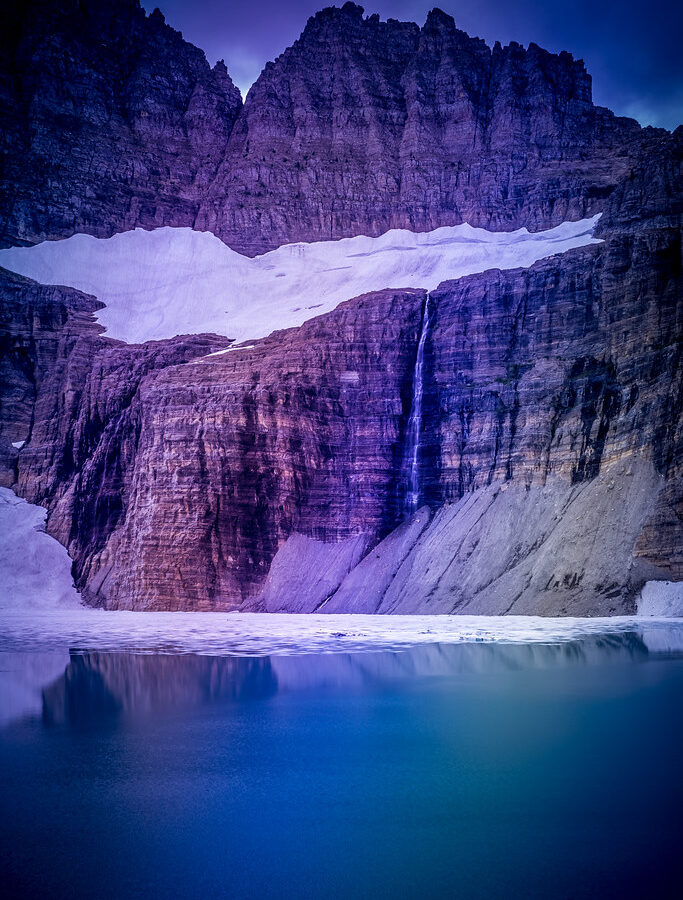
Photo: SridharSaraf via Flickr (CC BY-SA 2.0)
A Glacier National Park fall trip can begin with open alpine roads and shirtsleeve afternoons, then shift within weeks to freezing nights, snow-covered passes, and quiet valleys without seasonal services. The transition is especially pronounced along Going-to-the-Sun Road, which climbs from roughly 3,100 feet at Lake McDonald to 6,646 feet at Logan Pass before descending toward St. Mary.
September and October bring golden western larch, yellow aspen and cottonwood, active wildlife, thinner crowds, and rapidly changing access. Our guide explains how the season progresses, where congestion persists, what closes first, and how to choose dates based on hiking, scenery, road access, and tolerance for cold weather.
Understanding What to Expect in Glacier National Park in Fall
Fall unfolds at different speeds across Glacier’s elevation zones. Lake McDonald, Apgar, and the North Fork remain milder than Logan Pass and the Continental Divide. East side valleys such as Many Glacier and St. Mary are exposed to stronger winds and sharper temperature swings. Snow can reach the high country in September, even while lower forests remain dry and comfortable.
Early September Retains Much of Summer’s Access
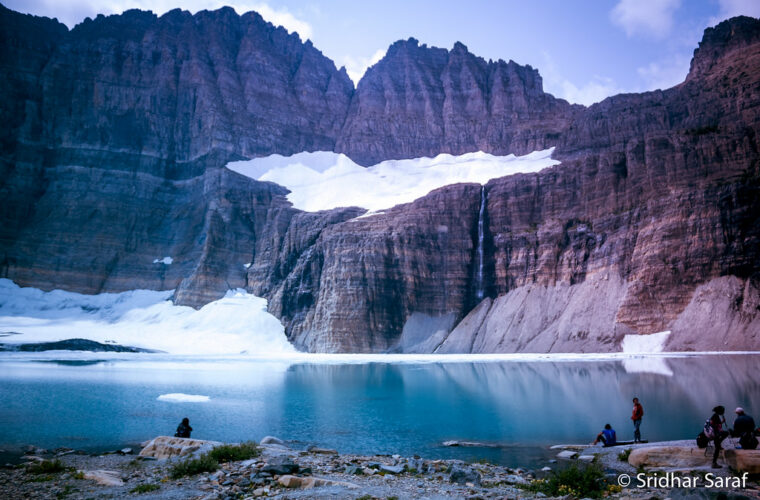
Early September usually provides the best overlap of fall conditions and broad park access. Going-to-the-Sun Road is often fully drivable, major trailheads remain reachable, and daylight is still sufficient for longer hikes such as the 11.8 mile round trip to Grinnell Glacier. Crowds decline after the United States Labor Day weekend, but Logan Pass, Avalanche Lake, and Many Glacier can remain busy on clear days.
Autumn color is initially subtle. Fireweed turns red along disturbed ground, huckleberry shrubs deepen to crimson, and cottonwoods begin changing near rivers. Western larch typically remain green until later. Afternoon temperatures in lower valleys can reach the 50s or 60s Fahrenheit, while exposed passes may feel much colder because of wind.
Late September Brings Color and Operational Changes
Late September often delivers the strongest balance of foliage, wildlife activity, and manageable road access. Aspen and cottonwood brighten the east side valleys, while western larch begin turning gold at lower and middle elevations on the west side. Alpine larch grow near timberline and color according to elevation, exposure, and the year’s weather rather than a fixed calendar date.
Seasonal operations contract during this period. Visitor services, lodging, food outlets, campgrounds, and transportation may reduce hours or close even when roads remain open. Trail access can therefore outlast the infrastructure supporting it. Carry food, water, warm layers, and enough fuel to complete the day’s driving without depending on facilities inside the park.
October Rewards Flexible, Self-Sufficient Visitors
October is quieter and less predictable. Lower portions of Going-to-the-Sun Road may remain open while snow or ice closes the alpine section around Logan Pass. Many Glacier, Two Medicine, and the North Fork can still be rewarding, but early storms may complicate road travel and cover higher trails. Daylight also contracts quickly, making late starts especially limiting.
At Sun Point, cold air often slides across St. Mary Lake while waves strike the rocky shoreline below. Cottonwood leaves rattle in the wind, the ground feels hard with morning frost, and the peaks of the Lewis Range rise abruptly beyond the water. That exposure explains why an apparently mild forecast can require gloves and a wind-resistant layer.
Glacier National Park Fall Conditions by Travel Period
The best fall dates depend on which compromise suits the trip. Earlier visits offer greater access and longer hiking days, while later visits bring quieter roads and stronger color at lower elevations. Weather patterns vary from year to year, so the table describes typical conditions rather than guaranteed dates.
| Travel period | Crowds | Typical weather | Road and trail access | Best activities |
|---|---|---|---|---|
| Early September | Moderate, with pressure at Logan Pass and popular trailheads | Mild valley afternoons, cold alpine mornings, possible early snow | Usually the broadest fall access | Long hikes, scenic drives, boat outings where operating, wildlife viewing |
| Mid to late September | Light to moderate outside peak locations | Freezing nights become more common, with rain or snow at elevation | Roads may remain open while services begin closing | Foliage, photography, shorter alpine hikes, east side wildlife viewing |
| Early October | Light | Cold mornings, shorter days, increasing storm potential | Alpine access becomes uncertain | Low elevation hiking, scenic overlooks, quiet valley drives |
| Mid to late October | Very light | Frequent freezes and possible accumulating snow | Limited and highly weather dependent | Roadside scenery, lower forest walks, solitude |
How Crowds Change the Day
Reduced visitation does not eliminate bottlenecks. Logan Pass has limited parking, and Avalanche Lake concentrates visitors onto a 4.5 mile round trip beginning near the Trail of the Cedars. Many Glacier trailheads can also fill during stable September weather. Arriving early improves parking options, while an afternoon start can work for short trails after morning hikers leave.
Later in fall, traffic decreases enough that wildlife may appear closer to roads and developed areas. This creates delays when visitors stop to watch bears, elk, or bighorn sheep. Pull completely off the travel lane only where parking is legal, remain inside the vehicle when animals are close, and never approach wildlife for photographs.
Weather Has Greater Influence Than the Calendar
Glacier’s mountains force moist air upward, producing abrupt local changes in cloud, wind, and precipitation. Conditions at Apgar provide little assurance about Logan Pass, nearly 3,500 feet higher. A dry morning beside Lake McDonald can coincide with fog, sleet, or icy pavement along the Garden Wall.
Build each day around a primary plan and a lower elevation alternative. If Logan Pass is stormy, consider the forest around Lake McDonald, the Trail of the Cedars, or viewpoints along the lower St. Mary corridor. Check forecasts for both valley and pass elevations rather than relying on a single nearby town.
Road Access, Reservations, and Fall Logistics
Going-to-the-Sun Road determines how easily visitors can connect Glacier’s west and east sides. The complete drive between Apgar and St. Mary covers about 50 miles, but overlooks, wildlife stops, and narrow mountain sections make it a half-day experience rather than a simple crossing. Once the alpine segment closes, reaching the opposite side requires driving around the park’s southern boundary.
Glacier National Park Fall Road Closures
The alpine road does not close on one guaranteed autumn date. Snow, ice, avalanche exposure, rockfall risk, and plowing capacity influence access near Logan Pass. Other roads, including routes into Many Glacier, Two Medicine, and the North Fork, have their own seasonal conditions. Check road status shortly before departure and again each morning after storms.
Autumn construction and maintenance can also produce delays before winter. Download offline maps because cellular coverage is weak across much of the park. Keep at least half a tank of fuel when entering remote districts, particularly the North Fork, where rough roads and long distances make unplanned detours costly.
Permits and Reservations to Review Before Booking
Entrance reservation systems and seasonal transportation arrangements can change between years. Backcountry overnight trips require wilderness permitting, while developed campgrounds may use reservations, first come availability, or seasonal closure schedules. Current entrance fees, reservation windows, campground status, shuttle operations, and road restrictions should be confirmed on the official park site before committing to lodging or flights.
- Check whether vehicle access reservations apply to the entrance and dates you plan to use.
- Separate park entrance requirements from campground, lodging, and wilderness permits.
- Verify the last operating dates for any shuttle or boat service essential to your itinerary.
- Save road status and weather information for offline reference.
- Prepare a low elevation backup route for every planned alpine day.
Choosing Where to Base the Trip
The west side provides convenient access to Apgar, Lake McDonald, Avalanche, and the western approach to Logan Pass. It also tends to have denser forest and somewhat milder fall conditions. The east side places visitors closer to St. Mary, Many Glacier, Two Medicine, open prairie, and many of the park’s strongest wildlife viewing areas.
Splitting a stay between both sides reduces repeated driving while the alpine road remains open. After a weather closure, changing bases can prevent several hours of backtracking around the park. Travelers visiting in October may prefer one flexible base outside the park, where food and lodging are less dependent on the operating dates of seasonal park facilities.
Choose Fall Hikes by Elevation and Exposure
Trail mileage alone can misrepresent autumn difficulty. A shaded path may hold ice through midday, while a sunny valley trail remains dry. Wind above treeline can also turn a moderate forecast into uncomfortable conditions. Choose routes according to elevation, exposure, daylight, and the latest trail report.
Use Stable Weather for the High Country
When Logan Pass remains accessible, the 2.8 mile round trip to Hidden Lake Overlook provides a relatively short alpine outing with about 460 feet of elevation gain. Mountain goats and bighorn sheep frequent this area, but snow can obscure boardwalk edges and trail markers. The Highline Trail demands more time, firmer footing, and comfort with narrow exposed sections. Set a turnaround time that leaves a generous daylight margin.
Save Forest and Lake Trails for Colder Days
Rocky Point Trail near Lake McDonald makes a useful lower elevation alternative, covering roughly 1.9 miles round trip through forest and burned terrain to lake views. On the east side, the St. Mary and Virginia Falls route combines several waterfalls in approximately 3.6 miles round trip. Wet leaves, frozen spray, and compacted snow can make stone steps slippery, so traction devices may earn a place in the daypack by October.
How Fall Compares With Glacier’s Other Seasons
Glacier National Park fall travel favors visitors who value color, wildlife activity, and reduced traffic over guaranteed alpine access. Summer provides the widest selection of roads, trails, and seasonal services, but parking pressure can determine the day’s schedule. Spring and winter offer deeper solitude while shifting most practical itineraries toward lower valleys, snow travel, or road-accessible viewpoints.
| Season | Crowd pattern | Weather and access | Best fit | Planning demands |
|---|---|---|---|---|
| Spring | Light, except around accessible holiday weekends | Valleys thaw first, while alpine roads and trails remain snowbound | Waterfalls, cycling on plowed road sections, low elevation walks | Flexible routing around snow and construction |
| Summer | Highest at Logan Pass, Avalanche, and Many Glacier | Broadest road and trail access, with thunderstorms and wildfire smoke possible | Alpine hiking, boating, backpacking, complete scenic drives | Early reservations and parking strategy |
| Fall | Declining, with localized September congestion | Rapid transition from open passes to snow and seasonal closures | Foliage, wildlife viewing, photography, quieter day hikes | Backup routes and self-sufficient day planning |
| Winter | Very light | Most interior roads closed to vehicles, with deep snow at elevation | Snowshoeing, cross-country skiing, quiet lake scenery | Winter driving skills and avalanche awareness |
Choose September for Hiking Range
Travelers prioritizing Grinnell Glacier, Hidden Lake, or longer Continental Divide routes should favor early September and keep spare days for weather. Wilderness permit applications and reservable lodging often require planning well before arrival. Even then, smoke from regional fires or an early storm can alter visibility and trail conditions, so avoid building the entire trip around one summit or one road crossing.
Choose October for Solitude and Lower Valleys
October better suits travelers comfortable with cold starts, limited services, and spontaneous route changes. Concentrate on Lake McDonald, Apgar, St. Mary Lake, and accessible sections of the North Fork rather than treating Logan Pass as essential. Photographers gain softer low-angle light and fewer vehicles at pullouts, while hikers should account for sunset arriving substantially earlier than it did in early September.
Prepare for Wildlife and Fast Weather Changes
Fall coincides with elk rutting activity and intense feeding by bears preparing for winter. Bull elk can be aggressive around cows, particularly on the east side near open meadows. Bears may concentrate around berry patches, carcasses, and creek corridors. Trail closures can occur quickly when animals repeatedly use an area.
Carry a Functional Autumn Day Kit
- Pack a waterproof shell, insulating layer, gloves, and a warm hat even when the valley forecast appears mild.
- Carry bear spray where it is immediately reachable, rather than inside a backpack.
- Bring a headlamp, traction aids, paper map, food, and extra water.
- Use footwear with reliable tread for mud, frost, wet roots, and early snow.
- Leave the day’s route and return time with someone outside the hiking party.
Travel Correctly in Bear Habitat
Make noise near blind corners, dense berry growth, and rushing water where animals may not hear an approach. Hike in a close group and keep food under direct control. Maintain at least 100 yards from bears and wolves and 25 yards from other wildlife. If an animal changes direction, stops feeding, or watches you continuously, increase the distance.
Planning What to Do During a Glacier National Park Fall Trip
Early September gives hikers the strongest chance of reaching alpine trailheads and completing long routes. Late September shifts the emphasis toward foliage, wildlife, and shorter days, while October rewards travelers who can accept road closures and focus on lower elevations. Matching the dates to one primary goal produces a better plan than expecting summer access with autumn crowd levels.
Build flexibility into lodging, keep fuel and meals organized before entering remote districts, and assign every alpine day a valley alternative. Glacier’s fall weather will make some decisions for you. A practical itinerary responds by changing elevation, district, or activity while preserving enough daylight and equipment to travel safely.
Want to keep exploring? Browse all our Glacier guides and articles for more trip-planning tips and ideas.
Gear & Essentials
Tell us about your trip and we will add what else you will want:
The basics
Worth having in the car whatever the park.
For this trip
Traveling with kids
Bringing a pet
RVing
Backcountry
Winter conditions
On the water
Photography
Accessibility
As an Amazon Associate we earn from qualifying purchases, at no extra cost to you.