Yellowstone National Park and Grand Teton National Park: How to Visit Both on One Trip
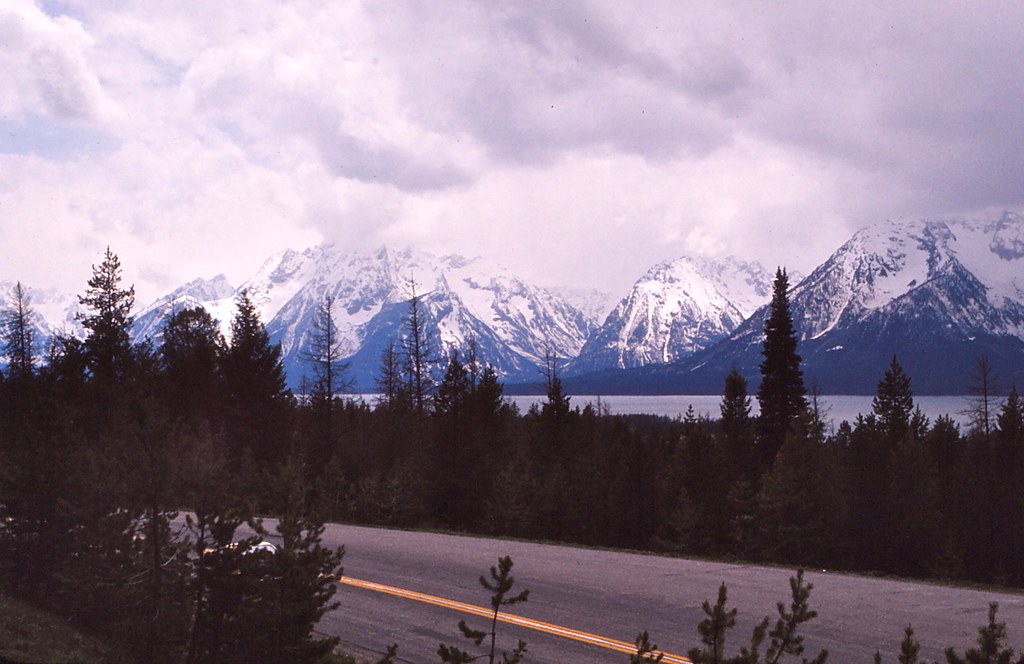
Photo: Ladycliff via Flickr (CC BY 2.0)
A Yellowstone National Park Grand Teton road trip works best with at least five full sightseeing days, lodging in two or three locations, and a one way route through the parks rather than repeated drives back to a single base. Seven days allows time for Yellowstone’s geothermal basins and wildlife valleys, Grand Teton’s lakes and mountain trails, and the inevitable delays caused by bison, road construction, or summer traffic.
The parks meet through the John D. Rockefeller Jr. Memorial Parkway in northwestern Wyoming, so no major detour separates them. Their landscapes and travel patterns differ sharply, however. Yellowstone covers nearly 3,500 square miles and requires long drives around its Grand Loop Road. Grand Teton is more compact, with most major viewpoints and trailheads arranged along the Teton Park Road and US Highway 89.
Understanding the Yellowstone National Park and Grand Teton National Park Layout
Yellowstone lies north of Grand Teton, while Jackson sits south of Grand Teton at an elevation of about 6,237 feet. The most direct route between the parks passes Yellowstone Lake, Grant Village, the South Entrance, the Rockefeller Parkway, and Jackson Lake. This corridor remains entirely scenic, but seasonal road closures can sever it from late autumn through spring.
Why Yellowstone requires multiple bases
Yellowstone’s roads form a rough figure eight around the central volcanic plateau. Old Faithful and the Upper Geyser Basin occupy the southwest, Yellowstone Lake fills the southeast, the Grand Canyon of the Yellowstone lies east of center, and the wildlife rich Lamar Valley stretches across the northeast. Mammoth Hot Springs is in the northwest, far from the geyser basins and the South Entrance used to reach Grand Teton.
A single Yellowstone base creates inefficient backtracking. Old Faithful to Lamar Valley is roughly 80 road miles, and wildlife stops can turn that transfer into most of a day. Our team generally divides Yellowstone lodging between the geyser basin or lake region and the northern part of the park. That arrangement places sunrise wildlife drives and early geothermal walks within practical reach.
How the landscapes change between the parks
Yellowstone occupies a high volcanic plateau shaped by immense caldera eruptions, lava flows, hydrothermal activity, and glaciation. Yellowstone Lake sits at 7,733 feet, while many park roads remain above 7,000 feet. Grand Teton centers on a young, fault lifted mountain front. The Tetons rise abruptly from Jackson Hole, culminating at 13,775 foot Grand Teton, with no foothills obscuring much of the range.
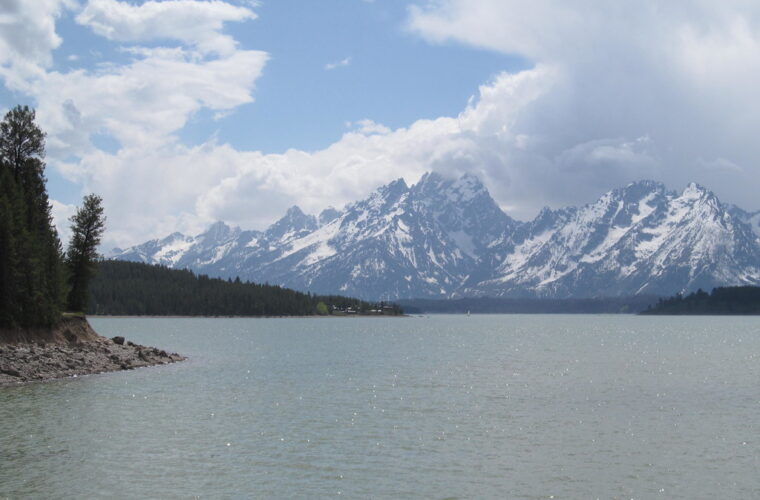
At West Thumb Geyser Basin, the boardwalk crosses pale sinter beside steaming pools while cold air moves off Yellowstone Lake. The lake looks broad enough to resemble an inland sea, but the sulfur smell, bubbling vents, and warm mist underfoot reveal the active volcanic system. Farther south, the horizon tightens as the Teton peaks appear above Jackson Lake, replacing Yellowstone’s rolling plateau with steep granite relief.
The connecting corridor and realistic drive times
The Rockefeller Parkway covers approximately 27 miles between Yellowstone’s South Entrance area and Grand Teton’s northern reaches. Grant Village to Colter Bay is about 40 miles and commonly takes around an hour without wildlife or construction delays. Old Faithful to Jackson is close to 100 miles, so allow at least two and a half hours before adding overlooks, meals, or animal sightings.
| Route segment | Approximate distance | Planning time without long stops |
|---|---|---|
| Grant Village to Colter Bay | 40 miles | About 1 hour |
| Old Faithful to Jackson | About 100 miles | At least 2.5 hours |
| Colter Bay to Jenny Lake | About 25 miles | About 40 minutes |
| Jenny Lake to Jackson | About 22 miles | About 35 minutes |
How Many Days to Give Each Park
Five days is a workable minimum, with three days in Yellowstone and two in Grand Teton. Six or seven days produces a better trip because Yellowstone’s major areas are widely separated and Grand Teton deserves time beyond roadside viewpoints. Travelers planning long hikes, wildlife photography, or geothermal boardwalk walks at an unhurried pace should add further days rather than compressing both parks.
A Five-Day Yellowstone National Park and Grand Teton National Park Itinerary
Use the first three days for Yellowstone’s geographic clusters rather than trying to complete the entire Grand Loop each day. Pair Old Faithful with Grand Prismatic Spring, Yellowstone Lake with Hayden Valley and the canyon, then Mammoth Hot Springs with Lamar Valley. In Grand Teton, devote one day to the Jenny Lake area and another to Jackson Lake, Oxbow Bend, Mormon Row, and shorter walks.
- Day one: Upper Geyser Basin, Old Faithful, Biscuit Basin, and nearby geothermal features.
- Day two: West Thumb, Yellowstone Lake, Hayden Valley, and the Grand Canyon of the Yellowstone.
- Day three: Mammoth Hot Springs and a dawn or evening wildlife drive through Lamar Valley.
- Day four: Transfer south, stopping at Jackson Lake overlooks, Colter Bay, and Oxbow Bend.
- Day five: Jenny Lake, Hidden Falls, Inspiration Point, and the historic districts along Mormon Row.
Where additional days make the biggest difference
A fourth Yellowstone day allows time for Norris Geyser Basin, home to some of the park’s hottest and most changeable thermal features, plus quieter stops such as Artists Paintpots or Firehole Lake Drive when open. A third Grand Teton day creates room for the 9.4 mile Taggart Lake and Bradley Lake loop, a Snake River float, or a longer outing into Cascade Canyon.
Place extra nights near the activity that begins earliest. Wildlife watchers benefit from northern Yellowstone lodging because wolves, bison, pronghorn, and bears are most active around dawn in Lamar Valley. Hikers gain similar value from staying inside or near Grand Teton, where parking at Jenny Lake, Lupine Meadows, and String Lake can fill early during the main summer season.
Choosing the Best Season to Visit Yellowstone National Park and Grand Teton National Park
The shared road corridor makes this pairing simplest from late spring through early autumn. Summer provides the broadest road and trail access, but it also brings the heaviest traffic. May and October can produce winter driving conditions at high elevations, while Yellowstone’s interior roads generally close to ordinary vehicles during the snowy season.
Season by season tradeoffs
Late May and June bring long daylight, strong waterfall flows, newborn wildlife, and lingering snow on higher Grand Teton trails. July and August provide the most dependable hiking access, along with afternoon thunderstorms, crowded trailheads, and occasional wildfire smoke. September usually brings colder mornings, elk rut activity, and fewer family vacation crowds. Snow can close roads temporarily in every shoulder month.
| Period | Primary advantages | Main limitations |
|---|---|---|
| Late May through June | Waterfalls, young wildlife, long daylight | Mud, mosquitoes, snow covered alpine trails |
| July through August | Broadest trail access, warmer mornings | Traffic, full parking areas, thunderstorms |
| September | Cool hiking weather, elk rut, lighter crowds | Freezing nights, shorter days, possible snow |
| Early October | Quiet roads and autumn conditions | Limited services and increasing closure risk |
Road access, lodging, and entry planning
Reserve lodging or campgrounds before building a detailed daily schedule, especially for July, August, and September. In park rooms reduce driving but often fill many months ahead. Gateway communities provide more choices, although staying west of Yellowstone can add substantial mileage when the day’s objective is Lamar Valley, and staying in Jackson adds a daily commute to northern Grand Teton.
Check the roads that control the entire itinerary
The Yellowstone South Entrance road is the critical link between the parks. Spring opening dates depend on plowing and weather, while construction can affect travel throughout the warmer season. Review entrance fees, reservation rules, campground status, and road conditions on the official park sites before departure. Spring travelers can also consult our Yellowstone entrance and road opening update for context on how the seasonal opening progresses.
Run Each Sightseeing Day Efficiently
Build each day around one time sensitive objective, then add nearby stops. Wildlife viewing belongs near sunrise or dusk, while geothermal basins are easiest before tour buses and midday traffic arrive. In Grand Teton, start with the trailhead or lake outing that requires parking. Scenic pullouts such as Snake River Overlook and Teton Point can fill the flexible hours between longer activities.
Match each activity to the right time
Morning temperature inversions can hold steam over Grand Prismatic Spring and obscure its colors from the overlook trail. Later morning often improves visibility as the air warms, although wind and weather still matter. Old Faithful eruption predictions are posted locally, so check the next estimated window before exploring the surrounding Upper Geyser Basin. Castle, Grand, Daisy, and Riverside geysers can reward visitors who leave enough flexibility for longer prediction windows.
| Activity | Best planning window | Reason |
|---|---|---|
| Lamar or Hayden Valley wildlife viewing | Dawn and early morning | Animals are often more active and roadside traffic is lighter |
| Grand Prismatic overlook | Later morning or afternoon | Warmer air may reduce steam above the spring |
| Jenny Lake hiking | Early morning | Cooler temperatures and better trailhead access |
| Oxbow Bend photography | Morning | Calmer water can produce clearer mountain reflections |
Keep transfer days focused
The southbound transfer should remain a travel day with selected stops, rather than a full Yellowstone hiking day followed by an ambitious Grand Teton schedule. West Thumb works naturally before leaving Yellowstone, while Jackson Lake Lodge viewpoints, Colter Bay, and Willow Flats fit after entering Grand Teton. Save Jenny Lake for a separate morning because its trails, boat crossing options, and lakeshore viewpoints can consume several hours.
Pack for Two Parks and Rapid Weather Changes
A Yellowstone National Park Grand Teton itinerary crosses exposed valleys, shaded canyons, windy lakeshores, and elevations above 7,000 feet. A warm afternoon in Jackson can coincide with near freezing conditions around Yellowstone Lake the next morning. Pack layers that can be removed during climbs, plus a waterproof outer shell. Carry more drinking water than a short boardwalk visit appears to require, particularly when several brief stops accumulate across a long day.
Build a practical vehicle kit
Cell service remains unreliable across substantial portions of both parks. Download offline maps before entering, carry a paper park map, and save lodging addresses and confirmation details locally. Keep binoculars within reach so passengers can observe wildlife without leaving the road shoulder. A small cooler supports early departures, but all food, scented products, and rubbish must be secured whenever the vehicle or campsite is unattended.
- Bear spray carried where it can be reached immediately, rather than buried in a pack
- Insulating layer, rain shell, sun hat, and gloves
- Refillable water containers and salty snacks
- Offline navigation and a paper road map
- Binoculars or a spotting scope for viewing animals at legal distances
- Headlamp for predawn starts and unexpected delays
Respect wildlife and thermal ground
Remain at least 100 yards from bears and wolves and 25 yards from bison, elk, moose, and other wildlife. Distance should increase whenever an animal changes direction or behavior because of your presence. In thermal areas, stay on designated boardwalks and trails. Thin mineral crust can conceal acidic water and unstable ground, and runoff channels may be hot enough to cause severe burns.
Prepare boats and fishing equipment separately
Travelers bringing kayaks, paddleboards, fishing gear, or other watercraft need to account for inspections, permits, and park specific boating rules. Clean, drain, and dry equipment before arrival, including bilges, anchors, ropes, and fishing tackle. Our guide to preventing aquatic invasive species in Yellowstone explains why even small amounts of transported water can threaten native ecosystems.
Avoid the Mistakes That Disrupt Combined Trips
The most damaging planning error is assigning fixed appointment times after long park drives. A bison herd can stop traffic, a bear sighting can crowd a shoulder, and road work can narrow a major corridor. Leave meals, sunset stops, and check in plans flexible on transfer days. Never count on covering distance at ordinary highway speed inside either park.
Do not chase every roadside wildlife report
Wildlife locations change quickly, and secondhand reports may be outdated by the time you arrive. Choose one valley, park completely beyond the traffic lane, and scan open slopes, river corridors, and forest margins with binoculars. Pullouts must remain accessible to other vehicles. If the available space is full, continue to the next legal turnout instead of stopping in the roadway or damaging vegetation.
Create a weather and closure backup
Assign every major outdoor day an indoor or lower commitment alternative. Heavy rain may favor visitor center exhibits, historic districts, or short boardwalks between showers. Smoke can reduce distant Teton views while leaving forest and lakeshore walks worthwhile. If the South Entrance corridor closes unexpectedly, rerouting around the parks can require many additional hours, so check conditions before checking out and departing either base.
- Protect the next lodging reservation before adding optional stops.
- Move exposed hikes earlier when afternoon thunderstorms are forecast.
- Replace a closed trail with another route in the same geographic area.
- Keep one half day unassigned on trips lasting a week or longer.
Build the Trip Around Geography, Not a Checklist
A successful two park itinerary follows the landscape north to south or south to north, changes lodging when the daily focus changes, and protects early hours for wildlife or popular trailheads. Yellowstone needs geographic clustering around its large road system. Grand Teton rewards concentrated time along its lakes, mountain trailheads, and eastern valley viewpoints.
Secure the overnight sequence first, verify the South Entrance connection, and then attach realistic daily clusters to those bases. Add weather layers, offline navigation, food storage, and a flexible half day. That structure leaves room for an eruption prediction, a distant wolf sighting, or a trail closure without sacrificing the rest of the journey.
Five days covers the principal areas, while six or seven gives delays and spontaneous stops somewhere to go. With disciplined routing and a few deliberate early starts, both parks fit naturally into one continuous trip rather than competing for the same limited hours.
Want to keep exploring? Browse all our Grand Teton guides and articles for more trip-planning tips and ideas.
Gear & Essentials
Tell us about your trip and we will add what else you will want:
The basics
Worth having in the car whatever the park.
For this trip
Traveling with kids
Bringing a pet
RVing
Backcountry
Winter conditions
On the water
Photography
Accessibility
As an Amazon Associate we earn from qualifying purchases, at no extra cost to you.